


Getting started with the Mediterranean diet sounds easy enough until you start looking for recipes. Suddenly, you’re faced with long ingredient lists, unfamiliar grains, and dishes that look delicious but aren’t exactly what you want to cook after work.
Mediterranean cooking can be pretty straightforward, you don’t need a cupboard full of specialty ingredients or much cooking experience. Many of the best meals are made with everyday staples like tomatoes, beans, eggs, fish, olive oil, and whatever vegetables you have on hand.
To make things easier, we’ve put together 20 Mediterranean diet recipes for beginners, covering everything from quick breakfasts to simple lunches, dinners, and snacks. You’ll find plenty of ingredients you can use across different meals, along with a practical weekly menu to help you make the most of your groceries without having to cook from scratch every day.
If you’d prefer help with the planning, Eat This Much can generate meals around your nutritional targets and food preferences, with adjustable servings and grocery lists to make the week easier to organize.
What makes a recipe “Mediterranean”?
There’s no strict set of rules for what makes a meal “Mediterranean”. It’s more about the ingredients you use regularly and how you put them together.
Vegetables, fruit, beans, lentils, whole grains, nuts, and olive oil are at the heart of this way of eating. Fish, eggs, yogurt, cheese, and chicken are also common, while red meat is generally eaten less often.
In everyday cooking, that might look like grilled fish with potatoes and vegetables, a chickpea salad with feta, or a bowl of whole-wheat pasta with tomatoes, garlic, and olive oil. Nothing too complicated, and you probably already eat some of these foods.
You don’t have to give up bread or pasta, cook everything from scratch, or make every meal perfectly balanced. What matters is what you eat most of the time, not whether every single dish follows a formula.
There’s good reason for the Mediterranean diet’s healthy reputation, too, as it’s recognized as a heart-healthy way of eating, and research has linked it to a lower risk of cardiovascular problems.
If you’d like to learn more about the foods, benefits, and general approach, our Mediterranean diet guide covers the basics in more detail. For now, let’s focus on what you can actually make in your kitchen.
Everyday Ingredients for Easy Mediterranean Meals
One of the easiest ways to make Mediterranean cooking manageable is to stop treating every recipe as a separate shopping trip.
Many dishes use the same ingredients in different combinations. A can of chickpeas can become a salad, a stew, or homemade hummus. Greek yogurt works for breakfast, dressings, and dips. A lemon and some garlic can bring together almost any combination of fish, vegetables, or grains.
You don’t need to buy everything at once, but these are useful staples to build around.
| Category | Ingredients to keep in mind |
|---|---|
| Pantry | Olive oil, canned chickpeas, white beans, lentils, canned tomatoes, tuna, whole-grain pasta or couscous |
| Fridge | Plain Greek yogurt, eggs, feta cheese |
| Produce | Lemons, garlic, onions, tomatoes, cucumbers, spinach, carrots, zucchini |
| Freezer | Fish, shrimp, frozen vegetables |
| Seasonings | Oregano, cumin, smoked paprika, black pepper, dried herbs |
Most pantry staples keep well, so you can gradually build up what you have rather than buying everything for your first week.
And there’s no need to choose the most expensive versions. Canned beans, frozen fish, and seasonal vegetables work perfectly well in Mediterranean-style recipes.
Make Your Everyday Meals More Mediterranean
Before learning an entirely new set of recipes, it can help to make small changes to meals you already enjoy.
| If you usually have… | Try this Mediterranean-inspired alternative |
|---|---|
| Buttered toast | Avocado on toast |
| Sugary breakfast cereal | Greek yogurt, oats, and berries |
| A deli meat sandwich | Mediterranean tuna salad with whole-grain bread |
| Pasta with heavy cream sauce | Spaghetti with spinach and avocado sauce |
| Chips for an afternoon snack | Hummus with vegetables |
You don’t need to make every swap immediately, or give up the original foods altogether.
Choose one or two ideas that appeal to you and see how they fit into your routine. Once those feel familiar, trying something new becomes much easier.
Easy Mediterranean Diet Breakfast Recipes
Breakfast is a good place to start because many Mediterranean-style options don’t require much preparation. Yogurt, fruit, nuts, whole grains, and eggs can all become a satisfying morning meal without much effort.
1. Yogurt with Walnuts & Honey
Per serving: 259 calories | 27g protein | 16g carbs | 10g fat
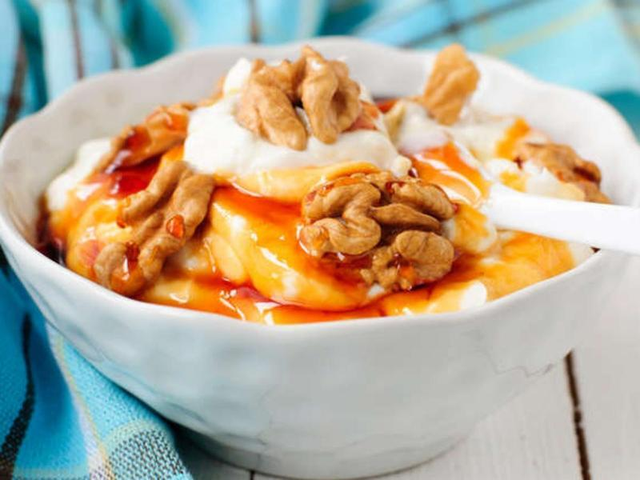
This three-ingredient breakfast combines plain Greek yogurt, chopped walnuts, and honey. It’s ready in just a few minutes and doesn’t require cooking, making it very convenient on busy mornings.
The yogurt provides protein, while walnuts contribute healthy fats. You can enjoy it as is or add fresh fruit for extra flavor and fiber.
2. Spinach, Pepper, and Tomato Scramble on Toast
Per serving: 307 calories | 20g protein | 32g carbs | 11g fat

If you prefer a savoury breakfast, this recipe combines eggs, red bell peppers, spinach, and tomatoes, served over whole-wheat toast.
The vegetables cook in the same skillet as the eggs, so there’s very little cleanup afterward. It’s also an easy way to use leftover vegetables from dinner the night before.
3. Greek Yogurt and Berry Parfait
Per serving: 344 calories | 29g protein | 38g carbs | 11g fat

This colorful breakfast layers Greek yogurt with strawberries, raspberries, walnuts, cinnamon, and honey.
It takes about five minutes to assemble and works well if you like something sweet in the morning. You can also prepare the yogurt and fruit in advance, keeping the walnuts separate until serving so they stay crunchy.
4. Blueberry and Sunflower Seed Steel Cut Oatmeal
Per serving: 443 calories | 35g protein | 39g carbs | 18g fat
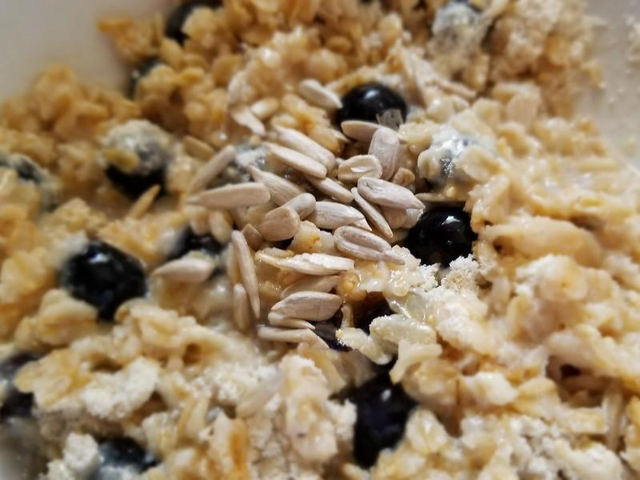
Steel-cut oats make a satisfying breakfast, especially when combined with blueberries and sunflower seeds. This version also includes protein powder to get those macros in for the day.
The oats take a little longer to cook than instant varieties, but you can prepare several portions at once. Add the blueberries and seeds when serving, or stir them into the finished oatmeal.
For a variation closer to a traditional Mediterranean-style breakfast, you can remove the protein powder and serve the oats with plain yogurt, although that changes the recipe’s nutritional values.
5. Lentil & Chickpea Avocado Toast
Per serving: 379 calories | 15g protein | 44g carbs | 18g fat
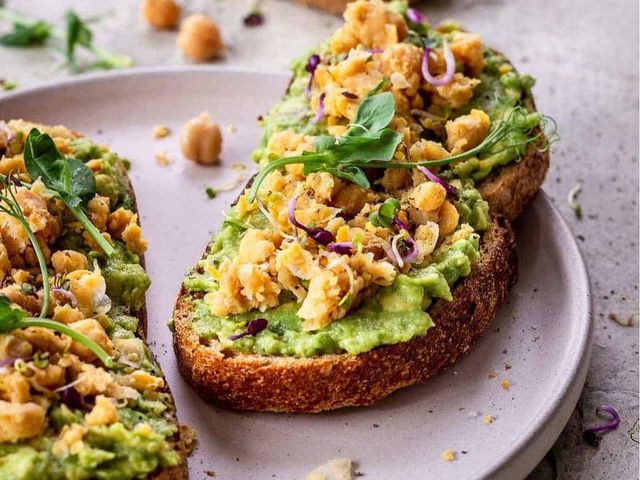
Avocado toast gets a twist with the addition of chickpeas and lentils.
The recipe combines mashed avocado, cooked lentils, chickpeas, and radish on whole-wheat toast. It’s a useful plant-based breakfast with plenty of fiber, and the beans and lentils make it more filling than plain avocado toast would.
You can prepare the chickpeas and lentils ahead of time, then mash the avocado and assemble the toast when you’re ready to eat.
Easy Mediterranean Lunch Ideas
Lunch doesn’t need to be a big cooking project. Some of the best Mediterranean diet meal ideas are made from canned ingredients, leftovers, or dishes you can prepare ahead and eat over several days.
6. Mediterranean Tuna Salad
Per serving: 283 calories | 32g protein | 16g carbs | 11g fat
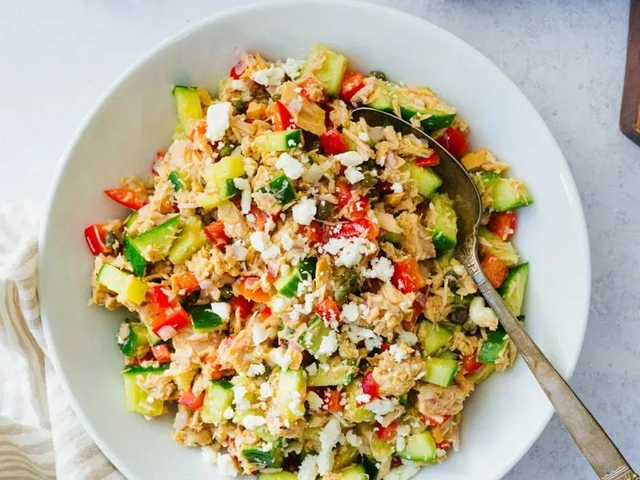
This salad combines canned tuna with cucumber, bell peppers, shallots, capers, feta, and a tangy dressing made with olive oil, vinegar, and Dijon mustard.
It’s a useful recipe when you want something fresh but have little time to cook. You can serve it on its own, with whole-grain bread, or over mixed greens.
7. White Bean & Artichoke Toast
Per serving: 260 calories | 14g protein | 43g carbs | 5g fat

White beans, artichokes, garlic, basil, lemon juice, and olive oil come together to create a delicious topping for whole-wheat toast.
The bean mixture can be prepared in advance, so you only need to toast the bread and add the spinach when you’re ready for lunch.
It’s a quick and easy plant-based option that uses mostly pantry ingredients, and the leftovers make a good sandwich filling.
8. Lentil Salad
Per serving: 610 calories | 31g protein | 77g carbs | 23g fat
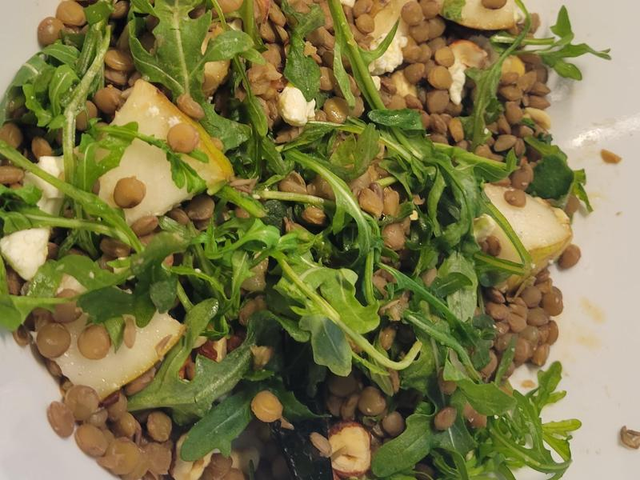
This lentil salad combines cooked lentils with pears, hazelnuts, feta, arugula, and balsamic vinaigrette.
It’s an interesting combination of savory and sweet ingredients, with the lentils providing protein and fiber and the nuts adding crunch.
Cook the lentils ahead of time, let them cool, and combine them with the other ingredients before serving.
9. Pinto Bean Salad
Per serving: 335 calories | 8g protein | 41g carbs | 18g fat
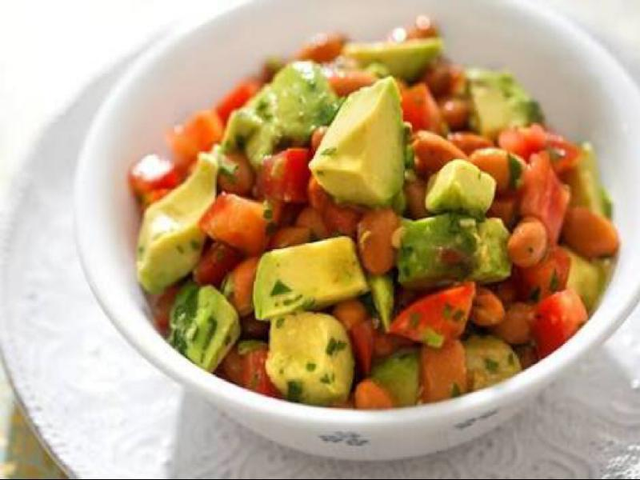
This no-cook salad combines pinto beans with avocado, tomatoes, bell peppers, onion, lettuce, and dressing.
The combination of beans, vegetables, and unsaturated fats fits very well into a Mediterranean-style eating pattern.
Everything comes together in about 10 minutes but make sure to add the avocado and dressing close to serving time to keep the vegetables fresh.
10. Raw Cauliflower Tabouli
Per serving: 220 calories | 4g protein | 13g carbs | 19g fat

Inspired by traditional tabbouleh, this recipe uses finely chopped cauliflower in place of bulgur, combined with parsley, mint, tomatoes, cucumber, scallions, lemon juice, and olive oil.
It’s refreshing, colorful, and requires no cooking. The cauliflower is pulsed in a food processor until it resembles couscous, then mixed with the remaining ingredients.
This works best as a lighter lunch or side dish but you can add chickpeas, tuna, or another protein source if you want a more substantial meal.
Easy Mediterranean Dinner Recipes
Mediterranean dinners often don’t involve complicated cooking methods or expensive seafood.
Some of the easiest options use one pan, a few familiar seasonings, and ingredients you may already have in the kitchen.
These recipes include fish, chicken, legumes, and pasta, so there’s something for different tastes and schedules.
11. One Pan Balsamic Chicken and Veggies
Per serving: 301 calories | 29g protein | 21g carbs | 12g fat
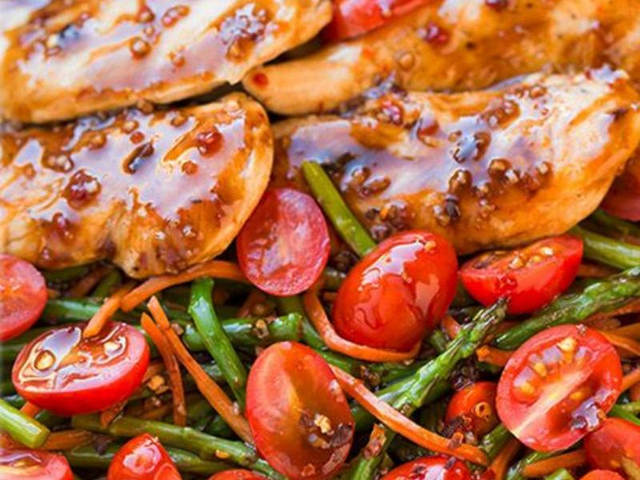
Chicken, asparagus, carrots, and cherry tomatoes are cooked in a skillet with a balsamic dressing for a simple dinner.
The combination of vegetables, chicken, olive oil, and balsamic vinegar fits well into Mediterranean-style cooking. You can serve it on its own or add brown rice, quinoa, or whole-grain bread.
Since the recipe makes multiple servings, it can also be used for meal prepping.
12. Lemon Pepper Cod
Per serving (1 fillet): 195 calories | 41g protein | 3g carbs | 2g fat

Sometimes the simplest fish recipes are the best place to start. This one uses cod, lemon, salt, and pepper. The fish is seasoned and baked until cooked through.
Serve it with roasted vegetables, potatoes, or a bean salad to make a complete meal. Frozen cod is also an option if fresh fish isn’t readily available.
13. Tuna, Caper & Chili Spaghetti
Per serving: 361 calories | 23g protein | 48g carbs | 9g fat
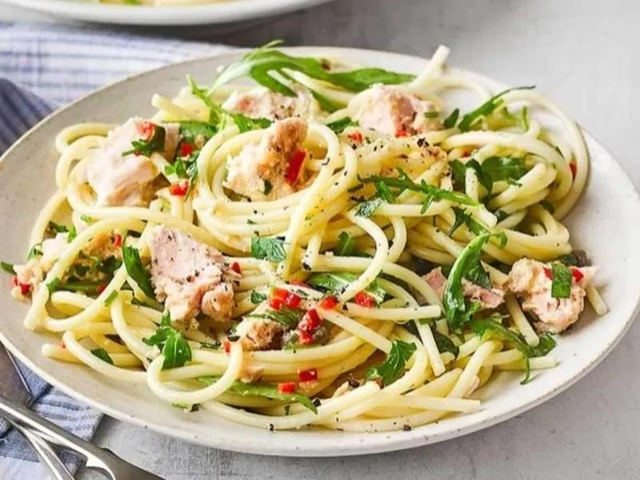
Pasta is very much at home in Mediterranean-style cooking, especially when combined with olive oil, garlic, seafood, and vegetables.
This recipe uses spaghetti, canned tuna, capers, garlic, chili, parsley, arugula, and lemon juice.
The garlic and chili flavor the olive oil, creating a simple sauce without needing cream or a long cooking time. It’s a great go to for busy evenings because much of the recipe relies on pantry staples.
You can also use whole-wheat spaghetti if you prefer more fiber.
14. Simple Lemon Herb Chicken
Per serving: 202 calories | 26g protein | 2g carbs | 10g fat
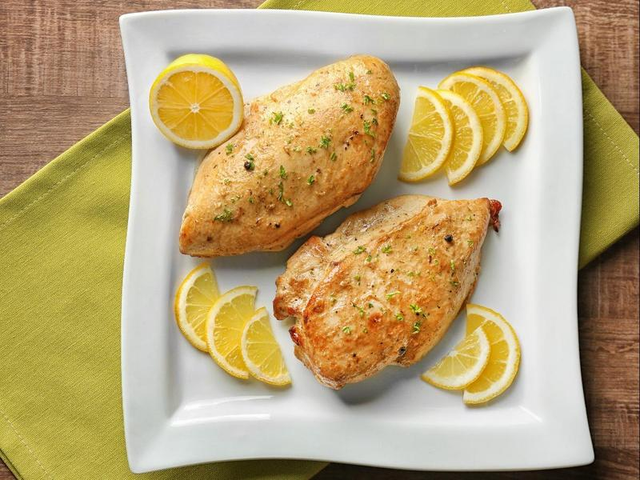
This recipe uses just a handful of ingredients, including chicken breast, olive oil, lemon juice, oregano, parsley, and seasoning.
The chicken is cooked in a skillet with the lemon and herbs until tender and fully cooked.
It’s a versatile option because you can pair it with different sides throughout the week. Try roasted vegetables one evening, a grain bowl another day, or use leftovers in a salad with cucumbers, tomatoes, and yogurt.
15. Spaghetti with Spinach and Avocado Sauce
Per serving: 400 calories | 11g protein | 53g carbs | 17g fat
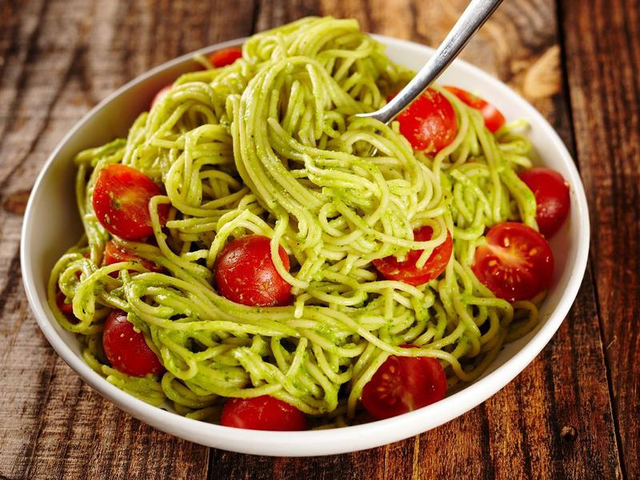
If you’re looking for a new kind of pasta sauce, this recipe blends spinach, avocado, white beans, basil, garlic, lemon, and olive oil into a creamy mixture.
The sauce is tossed with cooked spaghetti and finished with tomatoes and almonds.
It’s a good example of how vegetables, legumes, and healthy fats can create a flavorful meal without relying on a traditional cream sauce. The white beans also add some plant-based protein and fiber.
16. Broccoli Potato Soup
Per serving: 184 calories | 7g protein | 34g carbs | 4g fat
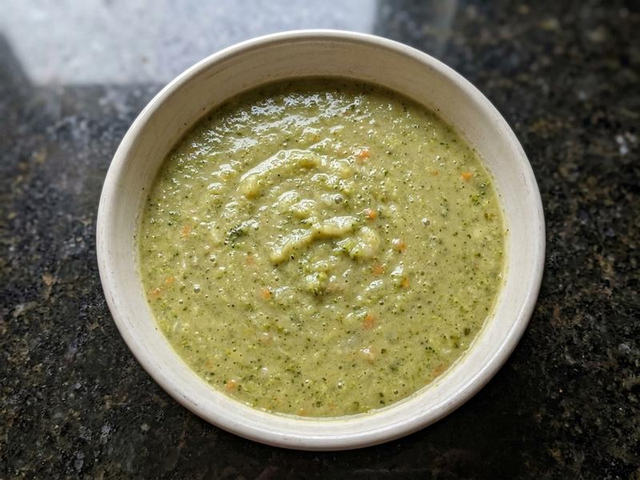
This simple soup uses broccoli, potatoes, carrots, leeks, garlic, and olive oil.
The vegetables are cooked until tender, then blended into a smooth soup without needing cream.
This is an affordable option that works well for batch cooking. Since the soup is relatively light in protein, you can serve it with a chicken sandwich, eggs, or another protein source if you’re having it as your main meal.
17. Pasta with Corn and Chicken
Per serving: 670 calories | 42g protein | 87g carbs | 21g fat

This straightforward recipe combines whole-wheat pasta, chicken breast, sweet corn, and olive oil.
The chicken is cooked in a skillet, then combined with the corn and cooked pasta. It’s a practical dinner for beginners because the ingredients are familiar and the preparation isn’t complicated.
For a more vegetable-rich Mediterranean-style meal, serve it with a tomato salad, spinach, or roasted zucchini.
Simple Mediterranean Snacks and Dips
Snacks are another easy way to use Mediterranean ingredients throughout your day. Small dishes made with vegetables, yogurt, beans, or cheese can be great when you get hungry as snacks between meals.
18. Veggies with Hummus
Per serving: 90 calories | 4g protein | 14g carbs | 3g fat

This is one of the easiest options on the list. The recipe pairs hummus with carrots, broccoli, red bell peppers, and cherry tomatoes.
There’s no cooking involved, and you can prepare several snack containers in advance.
Use store-bought hummus for convenience, or make your own if you prefer. It’s also a good addition to a lunch that’s otherwise a little light.
19. Cherry Tomatoes with Feta
Per serving: 102 calories | 5g protein | 7g carbs | 6g fat
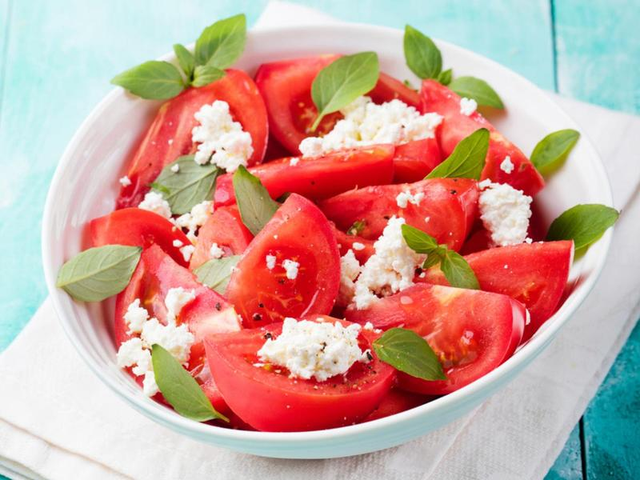
Cherry tomatoes, feta cheese, and basil are all you need for this staple Mediterranean snack.
Cut the tomatoes in half, top with crumbled feta, and sprinkle with basil. It’s ready in about five minutes and works just as well as a small side dish alongside grilled chicken, fish, or a plant-based meal.
20. Lebanese Fresh Thyme Tomato Salad
Per serving: 61 calories | 1g protein | 5g carbs | 5g fat

This simple Lebanese-inspired salad combines thyme, onion, tomato, lemon juice, and olive oil.
The ingredients are tossed together and served fresh, making it an easy snack or addition to a Mediterranean-style lunch or dinner.
Simple 7-Day Mediterranean Diet Menu Using These Recipes
Once you’ve found a few Mediterranean diet recipes you enjoy, the next step is figuring out how to fit them into your week.
You don’t need a different breakfast, lunch, and dinner every day. Repeating a few favorites makes shopping easier and reduces the amount of cooking you need to do.
Here’s a simple seven-day example using the recipes above.
| Day | Breakfast | Lunch | Dinner |
|---|---|---|---|
| Monday | Yogurt with Walnuts & Honey | Mediterranean Tuna Salad with whole-grain bread | One Pan Balsamic Chicken and Veggies |
| Tuesday | Spinach, Pepper, and Tomato Scramble on Toast | Lentil Salad with pears, hazelnuts, and feta | Tuna, Caper & Chili Spaghetti |
| Wednesday | Greek Yogurt and Berry Parfait | Pinto Bean Salad with Veggies and Hummus | Lemon Pepper Cod with Lebanese Fresh Thyme Tomato Salad |
| Thursday | Blueberry and Sunflower Seed Steel Cut Oatmeal | Raw Cauliflower Tabouli with leftover lemon pepper cod | Simple Lemon Herb Chicken with Cherry Tomatoes and Feta |
| Friday | Lentil & Chickpea Avocado Toast | Lebanese Fresh Thyme Tomato Salad with leftover lemon herb chicken | Pinto Bean Salad with Veggies and Hummus |
| Saturday | White Bean & Artichoke Toast | Veggies with Hummus, whole-grain pita, and a hard-boiled egg | Spaghetti with Spinach and Avocado Sauce |
| Sunday | Cherry Tomatoes with Feta, whole-grain toast, and a boiled egg | Pinto beans with Raw Cauliflower Tabouli | Broccoli Potato Soup with a Chicken Sandwich |
*This is a meal-selection example, not a calorie-calculated daily diet. Adjust portions and include additional foods according to your individual energy needs, appetite, and preferences.
The menu also leaves room for flexibility. If you have an unexpected dinner out, you can move a meal to another day or freeze certain leftovers.
If you’d prefer help with the planning, Eat This Much can generate meals around your nutritional targets and food preferences, with adjustable servings and grocery lists to make the week easier to organize.
How to Prepare the Week Without Cooking Every Day
You don’t need to make all the recipes in a single day. A few well-chosen tasks will take care of much of the work.
At the beginning of the week
- Get your breakfasts organized. Portion the Greek yogurt, berries, and walnuts for Monday and Wednesday. Keep the nuts separate so they stay crunchy, and chop the peppers and spinach for Tuesday’s egg scramble.
- Prepare the beans and lentils. Cook the lentils for Tuesday’s Lentil Salad and Friday’s Lentil & Chickpea Avocado Toast. Refrigerate what you’ll use soon and freeze any portions needed later.
- Wash and chop your vegetables. Prepare cucumbers, peppers, tomatoes, and other vegetables for the Mediterranean Tuna Salad and Pinto Bean Salad. Store delicate greens and dressings separately until serving.
- Get ahead on Monday’s dinner. Prepare the vegetables and balsamic dressing for One Pan Balsamic Chicken and Veggies so everything is ready to cook. You can also portion the tuna, capers, and seasonings for Tuesday’s spaghetti.
Midweek
- Cook a little extra fish on Wednesday. Make an additional portion of Lemon Pepper Cod to use with Thursday’s Raw Cauliflower Tabouli. Refrigerate it promptly in a covered container.
- Prepare Thursday’s chicken with Friday in mind. Cook enough Simple Lemon Herb Chicken for Thursday’s dinner and Friday’s Lebanese Fresh Thyme Tomato Salad. If you’re also making Pasta with Corn and Chicken on Friday, prepare a separate portion of chicken while you have the skillet out.
- Make a batch of cauliflower tabouli. Prepare enough for Thursday’s lunch, keeping a portion of the chopped ingredients aside for Sunday’s lunch if you plan to use them within a safe storage window. Otherwise, prepare the second batch fresh over the weekend.
- Prepare the white bean topping. Make the white bean and artichoke mixture for Saturday’s toast, with enough left for Sunday’s dinner. Keep the bread separate and toast it just before serving.
- Make the broccoli potato soup ahead. Prepare Sunday’s soup when you have time and freeze it in a suitable container. Thaw it safely in the refrigerator before reheating.
Leave a few things until you’re ready to eat
Avocado is best mashed fresh for Friday’s toast, while salads taste better when you add the dressing just before serving. The pasta dishes are also quick enough to cook fresh, especially when the vegetables and other ingredients are already prepared.
Remember that most cooked leftovers should be used within three to four days when properly refrigerated at 40°F (4°C) or below. The USDA’s food safety guidance also recommends refrigerating perishable foods within two hours of cooking and reheating leftovers to 165°F (74°C).
The point of planning isn’t to spend your entire weekend preparing food. It’s to decide which parts are worth doing ahead so the rest of the week runs more smoothly.
If you prefer a more personalized schedule, a Mediterranean diet meal plan app can help you organize recipes and serving sizes around your own nutritional needs, rather than relying on a generic example.
What to Avoid When Starting the Mediterranean Diet
Mediterranean cooking is relatively flexible, but a few habits can make the transition more complicated than it needs to be.
Buying Too Many New Ingredients
There is no need for an entire shelf of unfamiliar spices, several types of grain, or expensive imported ingredients in your first week.
Start with olive oil, a few vegetables, beans, eggs, and whichever whole grains you already enjoy. You can experiment with different cheeses, herbs, and regional dishes as you become more comfortable.
Forgetting to Include Enough Protein
Vegetables and grains are important, but meals also need to be satisfying.
Beans, lentils, fish, eggs, Greek yogurt, and chicken are all useful protein sources. If a meal feels too light, consider adding one of these rather than assuming you need to eat more.
For example, avocado toast becomes a more substantial breakfast with an egg, while a vegetable salad can be turned into lunch with chickpeas, tuna, or chicken.
Assuming Olive Oil Doesn’t Need Portioning
Olive oil is an important part of Mediterranean-style eating, but that doesn’t mean you can use unlimited amounts.
Like other fats, it provides a concentrated source of energy. There’s nothing wrong with using it generously when it suits your needs, but if you’re paying attention to calories, measuring how much you’re adding can be helpful.
A tablespoon of olive oil contains approximately 120 calories, so even small differences in the amount used can affect a recipe’s nutritional totals.
Thinking Everything Has to Be Homemade
You don’t need to bake your own bread, make your own pasta, cook dried beans every week, or chop all your vegetables from scratch.
Store-bought hummus, canned lentils, store-bought pasta, frozen vegetables, and ready-to-eat whole grains are all reasonable options. Read labels when choosing packaged foods, but don’t make convenience your enemy.
Making Mediterranean Recipes Work for Your Routine
Once you have a handful of recipes you enjoy, you can start building meals around your schedule rather than following someone else’s menu exactly.
Maybe you like cooking fresh dinners but prefer preparing lunch in advance. Maybe you’re feeding a family, working with a tight grocery budget, or following a vegetarian diet.
You might have tried a few diet apps and decided you’d rather choose and organize your recipes yourself. That’s perfectly reasonable, especially if you already have a few favorites.
Either way, the goal is the same: to make Mediterranean-style eating feel like a natural part of your everyday routine, rather than another complicated diet to manage.
If you’d prefer help with the planning, Eat This Much can generate meals around your nutritional targets and food preferences, with adjustable servings and grocery lists to make the week easier to organize.
Frequently Asked Questions
Are There Free Mediterranean Diet Recipes I Can Follow?
Yes, you can find Mediterranean-inspired recipes through a meal planning app like Eat This Much, or other online recipe collections. Start with a few dishes that use ingredients you already have, then build your collection over time.
What Do You Eat on a Typical Day on the Mediterranean Diet?
A day might include Greek yogurt with fruit and nuts for breakfast, a chickpea or lentil salad for lunch, and fish or chicken with vegetables and whole grains for dinner. Snacks could include fruit, nuts, hummus, or yogurt.
There’s no single required menu, and the quantities will depend on your appetite and nutritional needs.
Can You Lose Weight with a Mediterranean Diet?
Yes, Mediterranean-style meals can be part of a weight-loss plan. However, weight loss depends on overall calorie balance rather than the name of the diet.
Meals rich in vegetables, legumes, whole grains, and protein can help you build a balanced eating pattern, but individual portion sizes still matter.
Do Mediterranean Recipes Have to Include Fish?
No. Fish is commonly included in Mediterranean-style eating, but many dishes are built around beans, lentils, eggs, vegetables, and whole grains.
You can prepare vegetarian Mediterranean meals or adapt recipes based on your preferences. If you don’t eat fish, focus on including a variety of other foods that meet your nutritional needs.
What Are Five Easy Mediterranean Recipes to Start With?
If you’re completely new to Mediterranean cooking, try the Greek yogurt bowl, spinach and feta scramble, chickpea couscous salad, tuna and white bean salad, and sheet-pan salmon.
They use familiar ingredients, don’t require advanced cooking skills, and give you a good introduction to different kinds of Mediterranean-style meals.