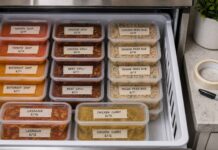



Meal prep ideas tend to look their best on a Sunday afternoon, when the containers are lined up on the counter and the week finally feels under control. The trouble usually starts around Wednesday, when the chicken and rice has lost its appeal, and by Friday the last two boxed meals have gone soggy enough to end up in the bin.
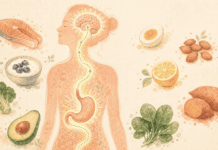
Sometimes the problem is what went into the containers in the first place. Some dishes taste just as good on day four as they did on day one while others start falling apart after a single night in the fridge.
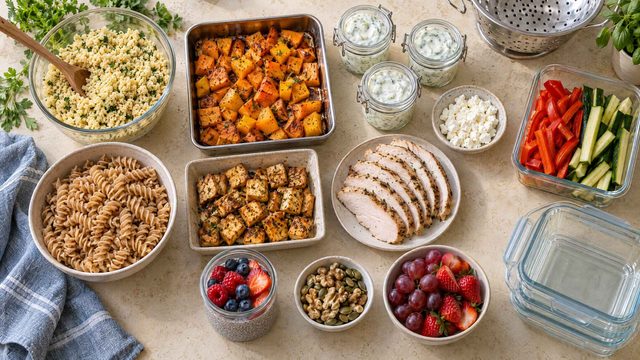
The best options hold up well, fit your budget and give you meals you actually want to eat. Build the week around those, rotate a few different flavors so you’re not eating the same box five days running, and freeze portions for later in the week. By doing this, that hour you spent prepping on Sunday pays off all week.
Find meal prep ideas by…
- Meal: Breakfast · Lunch · Dinner · Snacks
- Goal: High protein · Weight loss · Low calorie
- Diet: Keto · Low-carb · Vegetarian · Vegan
- Budget and time: Cheap · Easy
What Makes a Good Meal Prep Meal?
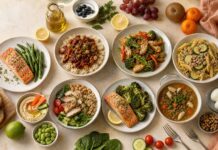
A good meal prep meal reheats without drying out or going soggy, or tastes just as appealing cold. It holds its texture in the fridge and gives you something you’ll still look forward to a few days later.
Before adding a dish to your weekly rotation, put it through three quick tests:
- Does it reheat well, or taste good cold? Soups, chilis, curries, grain bowls and roasted vegetables all do. Crispy things don’t.
- Does it hold its texture? Nothing that goes limp, watery or rubbery after a night in the fridge.
- Would you happily eat it three times? If you only just like it on day one, you won’t eat it on day four.
The Best Foods for Meal Prep
The best foods for meal prep hold up well and work in several dishes. Cooked proteins, grains, beans and vegetables give you a good starting point, while a few sauces can turn the same ingredients into different meals. Most cooked leftovers last 3 to 4 days in the fridge, so that’s the window to plan around.
| Food | Why it works | Fridge storage | Prep tip |
|---|---|---|---|
| Chicken thighs or breasts | Stay juicy when reheated and versatile enough for bowls, wraps, salads and curries | 3–4 days | Thighs are more forgiving when reheated. Avoid overcooking either cut, and store with sauce or cooking juices where suitable. |
| Ground turkey or beef | Easy to batch-cook for a lot of different dishes like chili, taco fillings, meatballs and pasta sauces | 3–4 days | Change the sides and toppings to get different meals from one batch. |
| Hard-boiled eggs | Ready-made protein convenient for breakfast boxes, salads and snacks | Up to 1 week | Keep them in their shells and leave chopping or assembly until needed. |
| Tofu and tempeh | Work in stir-fries, curries and grain bowls | 3–4 days | Bake or sauté for firmer pieces, or cook in sauce when crispness isn’t important. |
| Lentils, chickpeas, beans | Can be used in both cold salads and cooked dishes | 3–4 days | Canned options are fine and save time |
| Salmon | Quick to cook, high protein | 3–4 days | Eat by day 2 or 3 for best texture |
| Rice, quinoa, farro, orzo | Provide a flexible base for bowls, salads and sides, and hold sauce without going mushy | 3–4 days | Cool quickly before refrigerating and keep some portions simply seasoned so you can pair them with different dishes. |
| Potatoes and sweet potatoes | Can be roasted in batches for bowls, breakfast hash and dinner sides | 3–4 days | Reheat in a pan, oven, or air fryer when you want to restore some crispness. |
| Pasta | Filling and works hot or cold in pasta salads, casseroles and sauced meals | 3–4 days | Cook it a minute short so it doesn’t go soft if reheating |
| Broccoli, cauliflower, carrots and peppers | Useful in sheet-pan meals, stir-fries and roasted vegetable bowls | 3–4 days | Avoid cooking until very soft if they’ll be heated again. |
| Cabbage and kale | Offer a sturdier base for salads and slaws than delicate leaves | 5-8 days | Keep dressing separate when you want to retain crunch. |
| Sauces, hummus, pickled onions, shredded cheese | Add flavor without sogginess | Varies | Store in small separate cups. Mixing them in ahead would soften the rest of the meal. |
Foods That Don’t Prep Well
Some foods just don’t survive the fridge and lose their appeal when prepared too far ahead. That doesn’t mean you can’t eat them, only that they should be added on the day.
- Dressed leafy salads. Delicate leaves wilt and soften in dressing in a matter of hours. Wash and dry them ahead, then add dressing and wet toppings before eating.
- Anything fried or crispy. Moisture softens the exterior during storage. Reheat in an oven or air fryer to restore some texture, or choose dishes that don’t depend on crispness.
- Cut avocado. It browns and softens quickly. Add it fresh, or swap in guacamole with extra lime.
- Assembled sandwiches and wraps. Bread and tortillas absorb moisture from fillings. Prepare the filling ahead and assemble closer to serving.
- Crunchy toppings. Croutons, nuts, seeds and tortilla strips soften in moist dishes. Pack them separately.
- Delicate fresh herbs. They can wilt or lose their fresh flavor. Add them right before eating.
- Pasta with too little sauce. It can absorb moisture and become dry as it sits. Follow the recipe’s preparation guidance and add a little suitable liquid or sauce when reheating if needed.
The 3 Ways to Meal Prep
Meal prep doesn’t have to mean a fridge full of identical containers. You might make a pot of chili for several dinners, pack lunches ready to take to work, or cook a few ingredients to use in different meals. The approach that works best depends on how much you want ready ahead of time and how much variety you like.
| Method | Best for | Effort | Variety |
|---|---|---|---|
| Batch cooking | Dinners, freezer stocking | Low | Low |
| Individual portions | Work lunches, zero-decision weeks | Medium | Low to medium |
| Component prep | People who get bored easily | Medium | High |
Batch Cooking
Batch cooking means making a larger amount of one dish, like a big pot of chili, curry or soup, so you have several servings from cooking once. You might eat some for dinner, keep a portion for lunch and freeze the rest for another week.
It’s a good starting point if you already cook regularly. Make sure to check that your pot or baking dish is large enough, and follow any recipe guidance for adjusting quantities and cooking times.
Individual Portions
Individual portions are complete, identical meals packed into containers, ready to grab and reheat. This is the classic meal prep idea, and it’s perfect for work lunches or busy mornings when you just want to open the fridge and take something with you.
The down side is that it can be quite repetitive, so it works best for two or three days, but can get boring for more than that. However, the containers don’t have to hold exactly the same lunch. Different sides, seasonings or dressings can give you some variety without cooking several separate recipes.
Component Prep (and the 3-3-3 Rule)
Component prep means getting the different parts of a meal ready, then putting them together when you want to eat. You might cook chicken, prepare rice, roast vegetables, make sauces separately, then combine them differently each day. It takes a little more thought but gives you the most variety.
It’s great for people who want more choice during the week. The chicken can go into a bowl one day and a wrap the next, and everyone in the household can choose their own combination.
The 3-3-3 rule is a simple way to do it: prep three proteins, three carbs and three vegetables, then mix and match. Think of it as a planning shortcut rather than a strict rule.
Here’s how the same ingredients could become six different meals with a few sauces and seasonings:
| Protein | Carb | Vegetable | Sauce or seasoning | Meal |
|---|---|---|---|---|
| Chicken thighs | Rice | Broccoli | Teriyaki | Teriyaki chicken bowl |
| Chicken thighs | Quinoa | Peppers | Salsa | Burrito bowl |
| Ground turkey | Sweet potato | Kale | Hot sauce or smoked paprika | Turkey sweet potato hash |
| Ground turkey | Rice | Peppers | Soy and ginger | Turkey stir-fry |
| Lentils | Sweet potato | Kale | Tahini | Warm lentil salad |
| Lentils | Quinoa | Broccoli | Pesto | Pesto grain bowl |
Keep ingredients simply seasoned where possible so they work with different flavors. When it’s time to eat, choose your combination, reheat anything that needs it and add the sauce or fresh toppings.
You don’t need to prepare all nine components. If that feels like too much cooking, start with one protein, one base and two vegetables. The point is to give yourself options you’ll use, not a fridge full of ingredients you feel obliged to finish.
Want meals ready for the week without having to figure out all the portions and shopping? Find all these recipes with serving sizes and macros in our app, and let it automatically build your weekly meal plan and grocery list, ready to send to Instacart, Walmart, Amazon Fresh, and more…
Meal prep ideas by meal
Having breakfast ready, lunch packed or dinner waiting to be reheated can take a few jobs off your day. Start with the meal you most often struggle to find time for, then choose ideas that suit how you’ll store, carry and eat them.
*Calories and protein for each idea are approximate, per serving, and will change with portion sizes and brands.
Breakfast Meal Prep Ideas
Breakfast is a good place to start with meal prep. A few jars of overnight oats or a batch of egg muffins can get several mornings sorted without much work. You can also keep breakfast burritos in the freezer for days when you want a warm breakfast but don’t have time to cook.
Blueberry Yogurt Overnight Oats
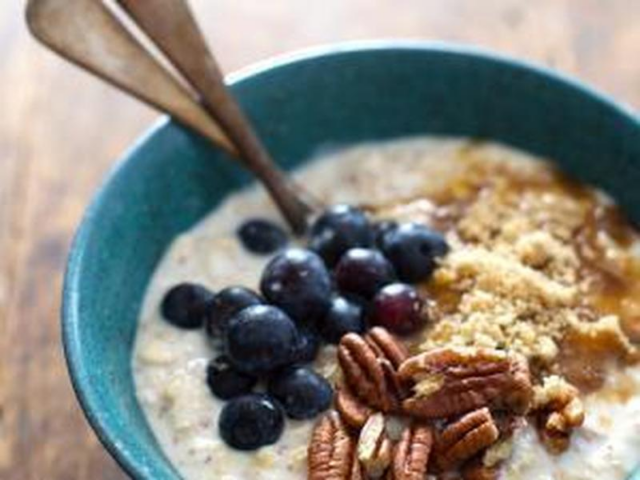
These blueberry yogurt overnight oats combine rolled oats, water, nonfat Greek yogurt, ground flaxseed and blueberries.
- To prepare them, layer the ingredients in a container, cover and refrigerate overnight.
- In the morning, stir everything together and add the pecans and a little brown sugar just before eating so the nuts stay crunchy.
One serving: One jar made with the quantities listed in our recipe.
Approximately 285 calories · 18 g protein · 41 g carbs · 7 g fat.
Spinach and Cheddar Egg Muffins
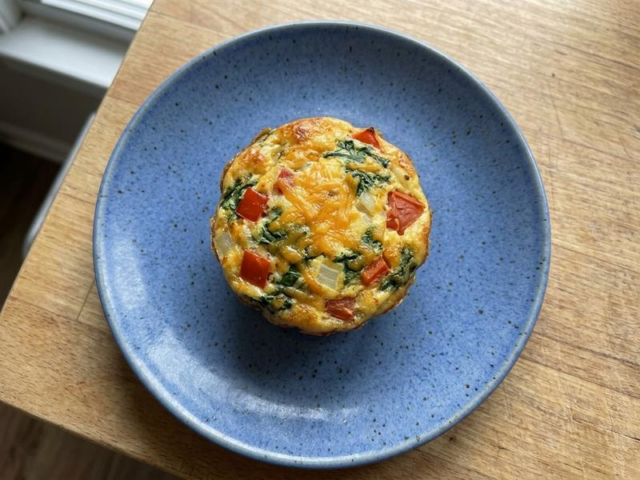
A tray of egg muffins gets several breakfasts ready at once.
- Finely chop bell pepper, onion, tomato and spinach, then mix with eggs, shredded cheddar and a little salt.
- Divide between six greased muffin cups and bake at 400°F (200°C) for 15–18 minutes, until set.
- Pack into portions and reheat gently when needed.
Add toast or fruit if you want something more alongside them.
Serving size: One muffin. The recipe makes six.
Approximately 165 calories · 11 g protein · 4 g carbs · 11 g fat, excluding sides.
Breakfast Burritos
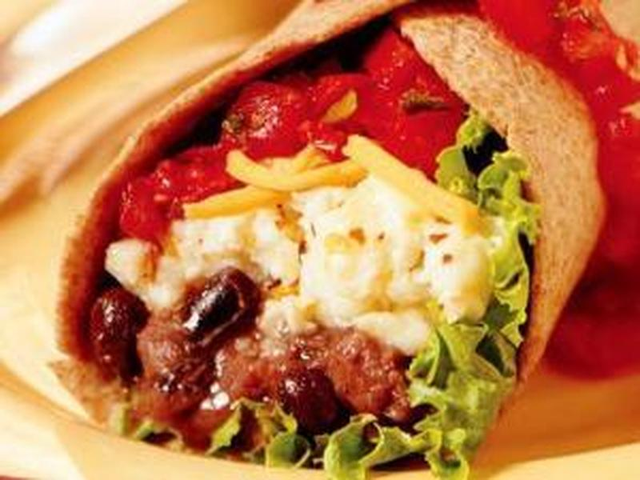
Eggs, beans and cheese make a filling breakfast burrito you can wrap up and take with you.
- Warm a tortilla briefly in a nonstick skillet, then whisk the eggs and egg whites and scramble until set.
- Spread refried beans over the tortilla, add the eggs and cheddar, then roll it up.
For meal prep, pack the lettuce and salsa separately and add them after reheating. If freezing, leave both out of the filling.
Serving size: The recipe makes 1 serving. One burrito with the listed lettuce and salsa is one serving.
Approximately 405 calories · 32 g protein · 34 g carbs · 15 g fat.
Baked Blueberry Oatmeal Squares
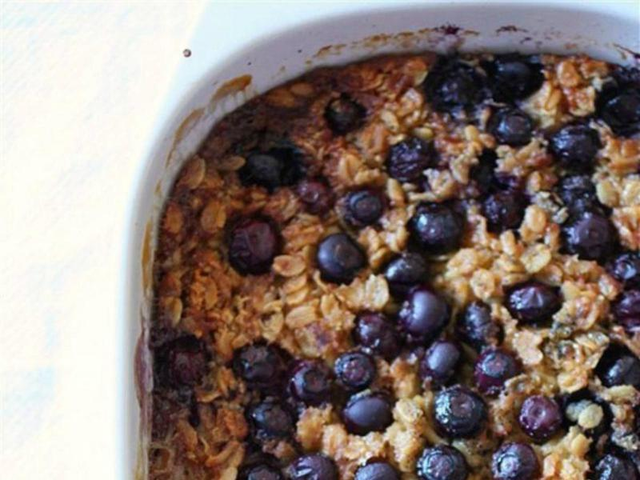
One baking dish of blueberry oatmeal gives you several breakfast portions without making each one separately.
- Start with banana slices and some blueberries in a buttered baking dish.
- Mix oats with baking powder, cinnamon and salt, then whisk milk, egg, melted butter, vanilla and maple syrup in a separate bowl.
- Spread the oats over the fruit, pour over the milk mixture and scatter the remaining blueberries on top. Bake at 375°F (190°C) for 35–45 minutes, until set and golden.
- Once cooled, cut into nine squares and freeze extra portions individually.
- Serve warm with yogurt if you want a fuller breakfast.
Serving size: One jar, using the quantities from the recipe.
Approximately 180 calories · 5 g protein · 34 g carbs · 4 g fat, excluding yogurt or extra syrup.
Greek Yogurt Breakfast Boxes
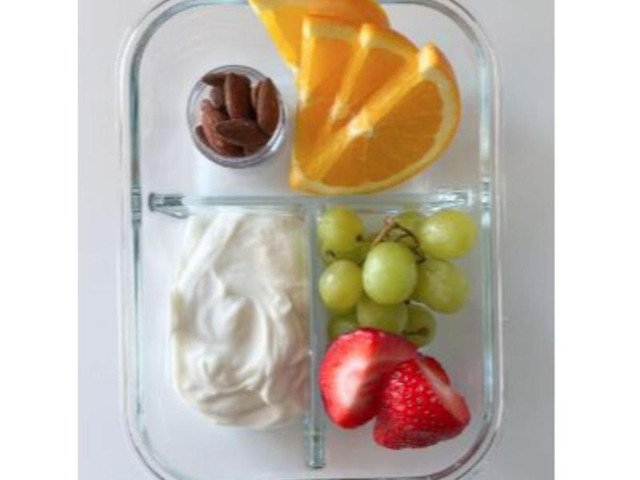
There’s no cooking involved in a Greek yogurt and fruit breakfast box.
- Spoon plain Greek yogurt into a small container, then pack grapes, orange segments and strawberries alongside it.
- Keep the almonds in a separate compartment so they stay crunchy.
You can prepare a few boxes together, leaving the strawberries whole until closer to eating if you prefer.
Serving size: The recipe makes 1 serving. Pack all the listed ingredients into one breakfast box.
Approximately 260 calories · 17 g protein · 29 g carbs · 10 g fat.
Lunch Meal Prep Ideas
Lunch prep needs to work wherever you’ll be eating. Grain bowls are handy when you have a microwave, while pasta salads and lunch boxes give you something to eat cold. Keep dressings, dips and fresh toppings separate where needed so everything holds up until lunchtime.
*Portions below use cooked weights for meat, grains and beans, and drained weights for canned ingredients. Calories and macros are approximate.
Chicken Burrito Bowls
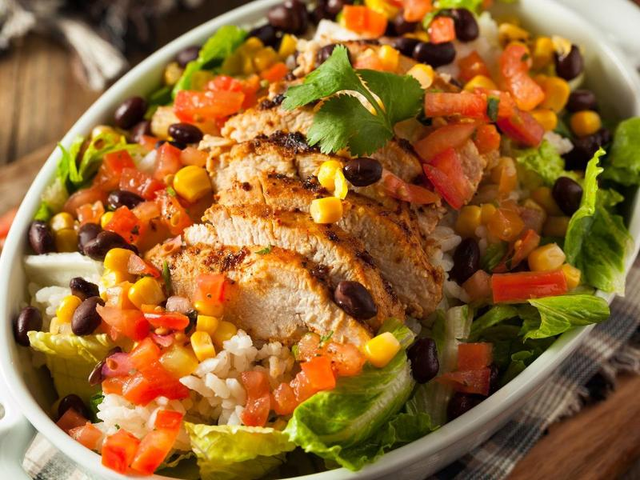
These chicken burrito bowls bring together grilled chicken, black beans, corn and avocado for a filling lunch, with lettuce, peppers and tomatoes adding crunch.
- Start by cooking chicken breasts in a lightly sprayed grill pan until cooked through. Let them rest briefly, then cut into bite-sized pieces.
- Drain the canned beans and corn, chop the bell pepper and tomatoes, and divide between containers with the chicken.
- Keep the lettuce separate and slice the avocado shortly before eating.
If you want to warm the chicken, beans and corn, do that before adding the fresh ingredients.
Serving size: The recipe makes 4 servings. Divide the ingredients between four bowls for one serving per bowl.
Approximately 435 calories · 38 g protein · 47 g carbs · 13 g fat.
Mediterranean Quinoa Bowls
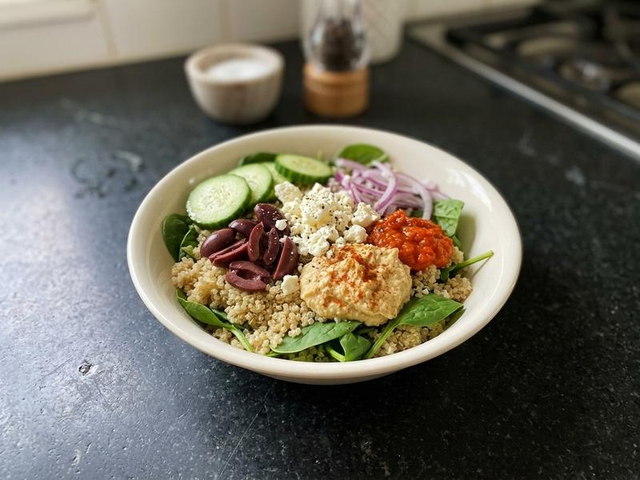
Feta, olives, hummus and ajvar give these Mediterranean quinoa bowls plenty of flavor. Ajvar is a roasted red pepper spread that you can spoon alongside the hummus.
- Rinse the quinoa and cook according to the package instructions.
- While it cooks, slice the cucumber, red onion and olives, and crumble the feta.
- Divide the quinoa between two containers, then pack the vegetables, spinach, feta, hummus and ajvar alongside it.
- Add the lemon juice before eating, keeping the spinach separate until then if you want it fresh.
Serving size: The recipe makes 2 servings. Divide the ingredients between two bowls for one serving per bowl.
Approximately 355 calories · 13 g protein · 37 g carbs · 18 g fat.
Turkey Burrito Bowls
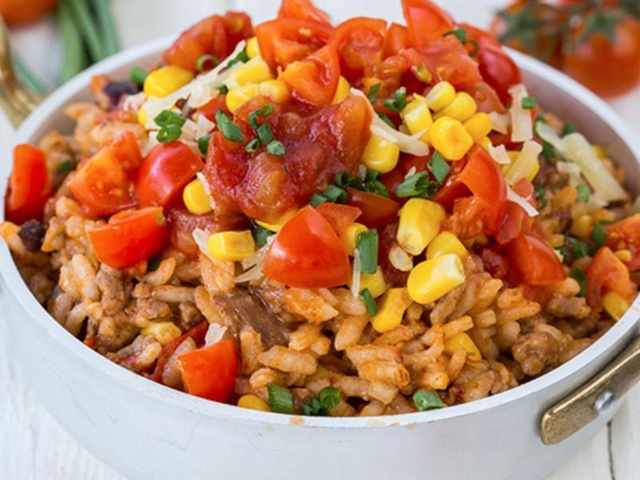
The rice cooks with the turkey, beans and vegetables in these turkey burrito bowls, saving you a separate pot.
- Cook chopped onion and ground turkey in a skillet, breaking up the meat, then add the brown rice and toast briefly.
- Stir in water, salsa, chopped tomatoes, taco seasoning, corn and drained black beans.
- Cover and simmer until the rice is tender, adding more water if needed.
- Use the rice package’s cooking time as a guide.
- Stir in cheddar at the end and portion into containers, keeping chives and any reserved fresh toppings separate.
Serving size: The recipe makes 4 servings. Divide the finished mixture into four equal portions for one serving.
Approximately 535 calories · 31 g protein · 69 g carbs · 16 g fat.
Italian Chicken Pasta Salad
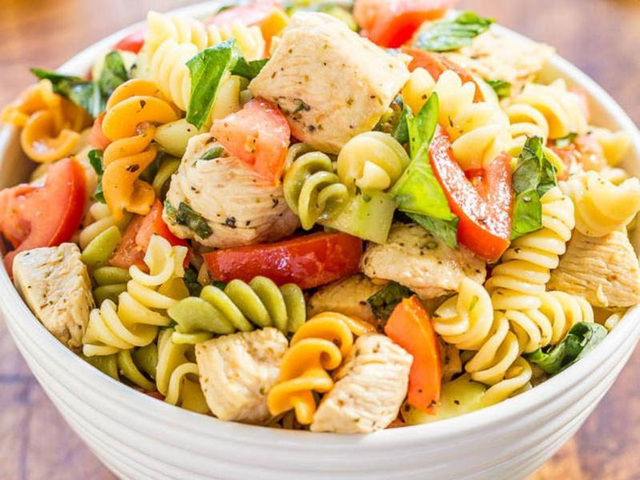
For a lunch you can eat cold, our Italian chicken pasta salad combines chicken, whole-wheat pasta and vegetables with a lightly sweet lemon dressing.
- While the pasta cooks, whisk olive oil, lemon juice, apple cider vinegar, honey, Italian seasoning and lemon zest to make the sauce.
- Cook the chicken in a skillet with a little olive oil, then add the sauce and simmer until the chicken is cooked through.
- Cut it into bite-sized pieces and toss with the pasta, cooking juices, tomatoes, cucumber and Parmesan.
- Keep the basil separate to add before serving.
- Eat cold or reheat gently.
Serving size: The recipe makes 8 servings. Divide the pasta salad into eight equal portions.
Approximately 395 calories · 30 g protein · 50 g carbs · 10 g fat.
Vietnamese Tofu and Noodle Salad
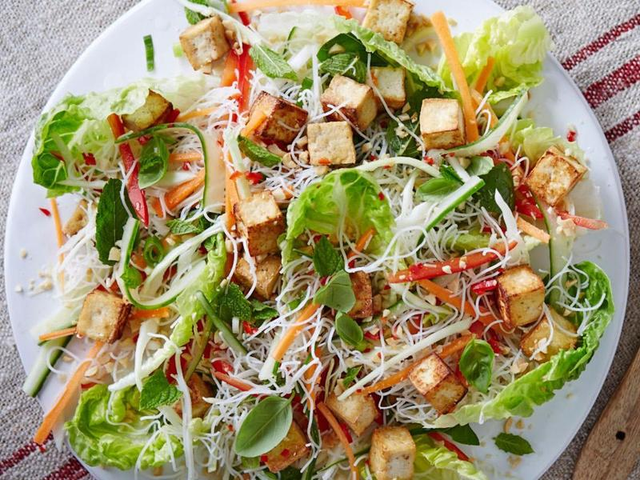
If you want a change from grain bowls, our Vietnamese tofu and noodle salad combines rice noodles with tofu, crunchy vegetables, herbs and peanuts.
- Prepare the noodles according to the package instructions.
- Pat the tofu dry, cut into pieces and pan-fry in canola oil for 8–10 minutes, turning until golden.
- Mix rice vinegar, sugar and chopped chili for the dressing, then slice or shred the carrots, cucumber, cabbage, bell pepper and scallions.
- Pack the cooled noodles, tofu and vegetables into containers.
- Keep the dressing, lettuce, mint, basil and peanuts separate to add before eating.
The tofu will soften in storage, but the separately packed vegetables and peanuts give the meal crunch.
Serving size: The recipe makes 4 servings. Divide the salad, dressing and peanuts into four equal portions for one serving.
Approximately 345 calories · 15 g protein · 31 g carbs · 20 g fat.
White Bean and Tuna Salad
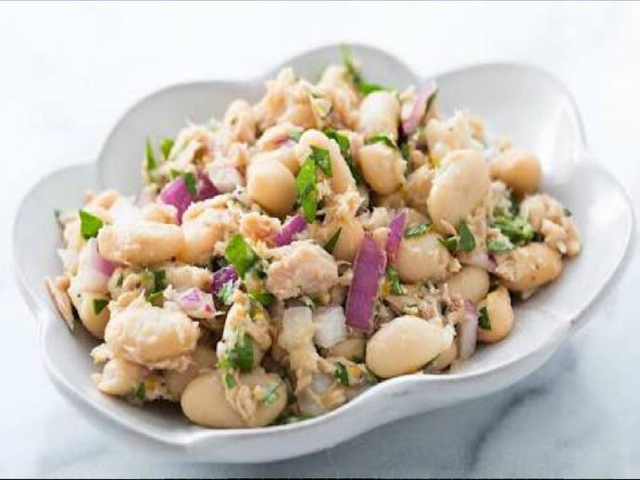
Canned tuna and white beans make a nicely filling lunch without any cooking required. In our white bean and tuna salad, mint and lemon give the mixture an extra fresh flavor.
- Begin by chopping the onion and sprinkling it with lemon juice while you prepare the other ingredients.
- Drain the tuna and canned white beans, then gently mix them with the onion, chopped mint, lemon zest, lemon juice, black pepper and red pepper flakes.
- Divide between containers and refrigerate, packing any bread or crackers separately.
There’s no cooking or reheating needed, making this an easy option when you’re short on preparation time.
Serving size: The recipe makes 4 servings. One serving is one of four equal portions of the finished salad.
Approximately 395 calories · 36 g protein · 62 g carbs · 2 g fat, excluding optional olive oil, bread or crackers.
Chicken and Hummus Lunch Boxes
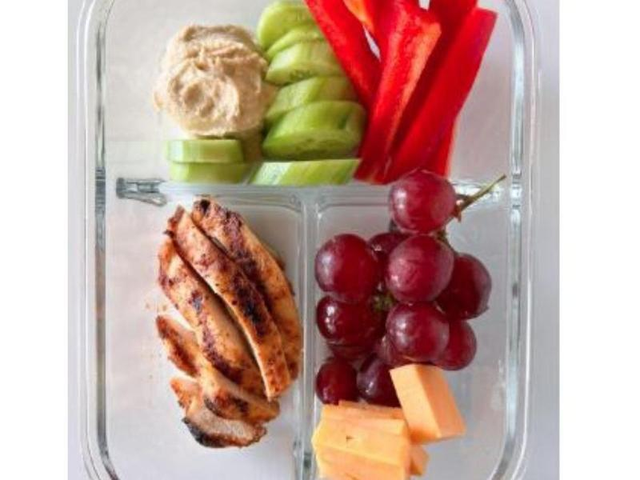
For lunches you can eat straight from the fridge, chicken and hummus lunch boxes combine cooked chicken with cucumber, red pepper, grapes and cheddar.
- Start by seasoning the chicken with salt and pepper, then cook it in a skillet over medium heat until cooked through, about 5–7 minutes per side.
- Slice it and pack alongside the fruit, cheese and vegetables, with the hummus in a separate small container for dipping.
Serving size: The recipe makes 1 serving. Pack all the ingredients into one lunch box for one serving.
Approximately 525 calories · 45 g protein · 27 g carbs · 27 g fat.
Dinner Meal Prep Ideas
Having dinner ready can be a relief at the end of a busy day. Soups, curries and stews are easy to portion and reheat, while tray bakes and casseroles give you several servings from one cooking session. Freeze extra portions of suitable dishes so you have a few different dinners to choose from.
*Meat, grains, pasta and legumes are listed by cooked weight unless stated otherwise. Calories and macros are approximate per serving.
Turkey and Bean Chili
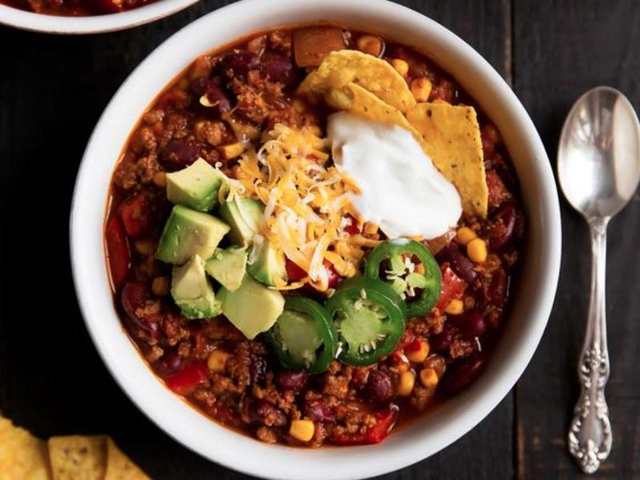
A pot of turkey chili makes eight servings, giving you dinner now and portions to save for later.
- To build the base, soften chopped onion, garlic and red bell pepper in olive oil.
- Add ground turkey and cook, breaking it into small pieces, then stir in chili powder, cumin, oregano and cayenne.
- Add canned tomatoes, broth, kidney beans and corn, then simmer for 30–45 minutes until thickened.
- Divide into portions and keep cheddar, avocado, sour cream, cilantro and tortilla chips separate until serving.
Freeze extra portions for another week, and add a splash of water when reheating if the chili has become too thick.
Serving size: The recipe makes 8 portions. One serving is one of eight equal portions, with the listed toppings and tortilla chips also divided eight ways.
Approximately 395 calories · 22 g protein · 38 g carbs · 20 g fat.
Sheet-Pan Chicken and Vegetables
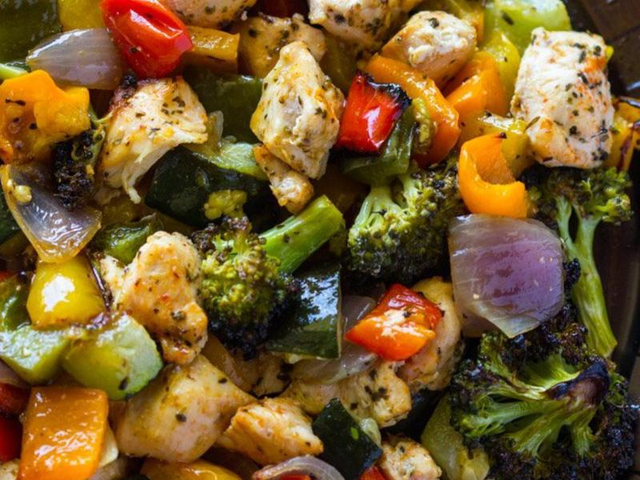
A tray of roasted chicken and vegetables gives you two dinners with very little washing up. Peppers, zucchini, broccoli, onion and tomatoes all cook alongside the chicken.
- Chop the vegetables into chunks and cut the chicken into cubes on a separate board. Toss everything with olive oil, Italian seasoning, paprika, salt and pepper, then spread across a sheet pan.
- Roast at 500°F for about 15 minutes, until the chicken is cooked through and the vegetables have browned at the edges. Reheat each portion when you’re ready to eat.
Serving size: The recipe makes 2 servings. Divide the chicken and vegetables into two equal portions for one serving.
Approximately 330 calories · 29 g protein · 15 g carbs · 17 g fat.
Lentil and Sweet Potato Curry
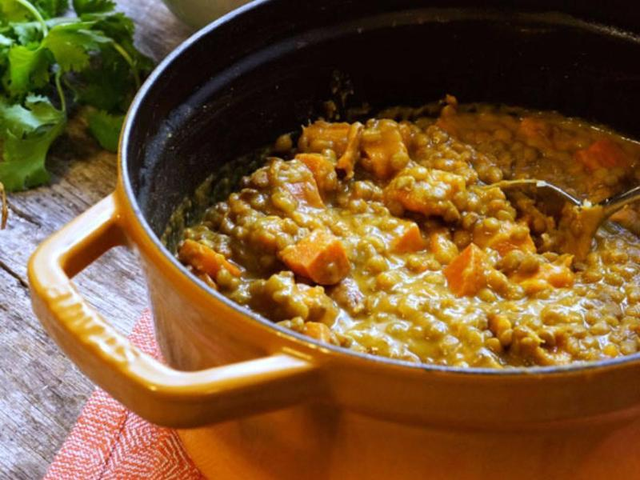
Sweet potato and coconut milk give this lentil curry a little sweetness alongside the warming spices. Everything cooks in one pot, and you can freeze a few portions for nights when you don’t feel like cooking.
- Soften chopped onion in coconut oil, then add dry lentils, diced sweet potato, carrot, turmeric, curry powder and ginger.
- Pour in vegetable broth and simmer for about 25 minutes, until the lentils and vegetables are tender. Stir in coconut milk and season to taste.
- Divide between containers and freeze extra portions.
Add a splash of water when reheating if the curry has thickened, and serve with rice or bread if you want a larger meal.
Serving size: One bowl, with the finished curry divided into four equal portions.
Approximately 310 calories · 16 g protein · 46 g carbs · 8 g fat, excluding rice or bread.
Pressure Cooker Spaghetti and Meatballs
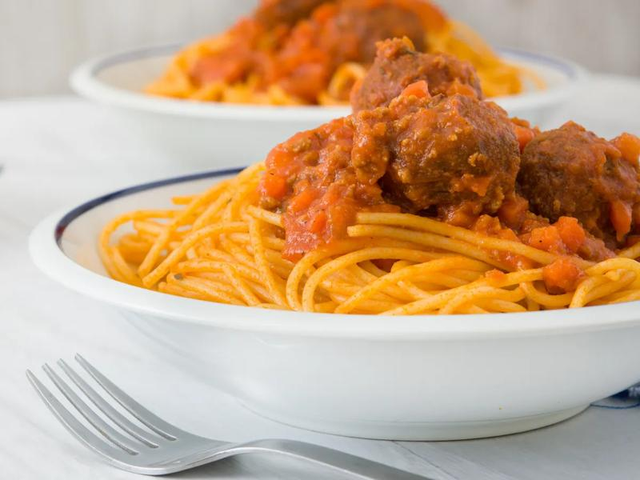
Homemade spaghetti and meatballs takes a little more preparation, but one batch covers four meals.
- For the meatballs, gently mix ground beef with breadcrumbs, Parmesan, egg, milk, onion, garlic and seasoning.
- In the pressure cooker, sauté the remaining onion and garlic, then add carrot, celery, canned tomatoes and water.
- Shape the meatballs and nestle them into the sauce.
- Cook at high pressure for 5 minutes, allow 10 minutes of natural pressure release, then release the remaining pressure. Meanwhile, boil the spaghetti separately until al dente.
Pack the pasta with the meatballs and sauce so you can reheat everything together.
Serving size: The recipe makes 4 servings. Divide the spaghetti, meatballs and sauce into four equal portions for one serving.
Approximately 590 calories · 27 g protein · 78 g carbs · 18 g fat.
Chicken Fajitas
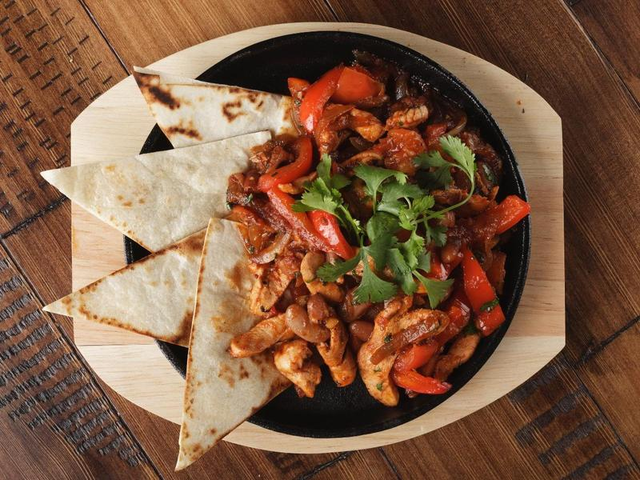
Having chicken fajita filling ready means dinner only needs reheating and a warm tortilla.
- Begin by slicing the chicken, peppers and onion into strips.
- Cook the vegetables in canola oil until softened, then set them aside while you cook the chicken in the same pan.
- Return the vegetables, stir in fajita seasoning and water, and cook until the liquid has reduced.
Pack the filling separately from the tortillas so they stay dry. Warm both before serving, and add any salsa or other toppings at the table.
Serving size: The recipe makes 4 servings. Divide the filling into four equal portions and serve each with one tortilla for one serving.
Approximately 355 calories · 31 g protein · 30 g carbs · 11 g fat, including the tortilla and excluding extra toppings.
Baked Ziti with Turkey and Broccoli
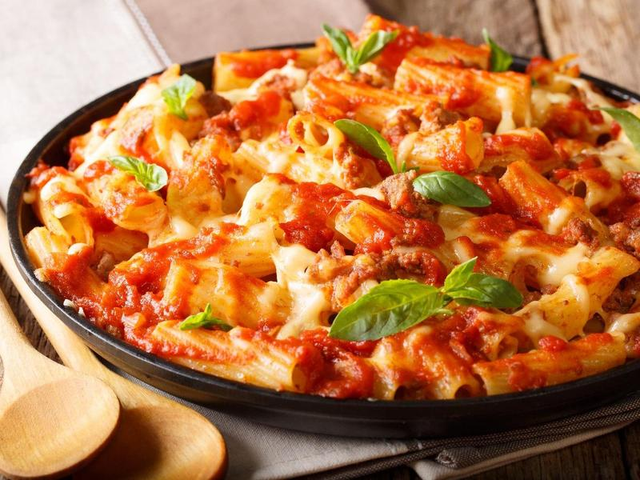
If you’d rather portion one baking dish than assemble several separate meals, baked ziti with turkey and broccoli is a good option.
- While the pasta boils until al dente, cook the ground turkey in olive oil with poultry seasoning, breaking it up as it browns.
- Add the chopped broccoli and cook briefly, then stir in marinara, Parmesan and Italian dressing.
- Combine with the drained pasta, transfer to an oiled baking dish and scatter basil over the top. Bake at 375°F for 18–20 minutes, until hot and bubbling.
Portion it into containers and reheat covered to help keep the pasta from drying out.
Serving size: The recipe makes 4 servings. Divide the baked ziti into four equal portions for one serving.
Approximately 490 calories · 34 g protein · 55 g carbs · 17 g fat.
Beef and Vegetable Stew
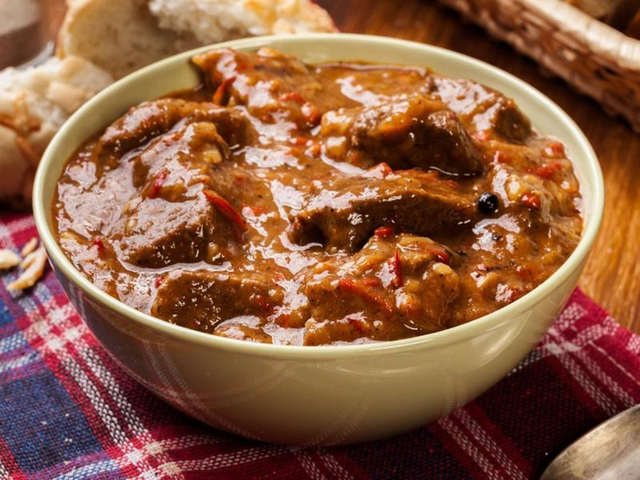
Save beef and vegetable stew for a prep day when you have time to let it cook. Beef, bacon, fennel and red pepper simmer in a tomato and red wine broth.
- First, coat the cubed beef with the spices.
- Cook the bacon in an oven-safe pot, remove it, then brown the beef in batches.
- Sauté onion and garlic in the same pot before adding wine, broth, tomatoes and the meat.
- Cover and cook at 350°F, adding the fennel and pepper later as directed in the recipe.
- Once the beef is tender, remove the meat and vegetables briefly to reduce the sauce, then stir them back in.
Serving size: The recipe makes 6 servings. Divide the stew into six equal portions for one serving.
Approximately 385 calories · 26 g protein · 11 g carbs · 25 g fat, excluding optional sour cream.
Chickpea and Spinach Stew
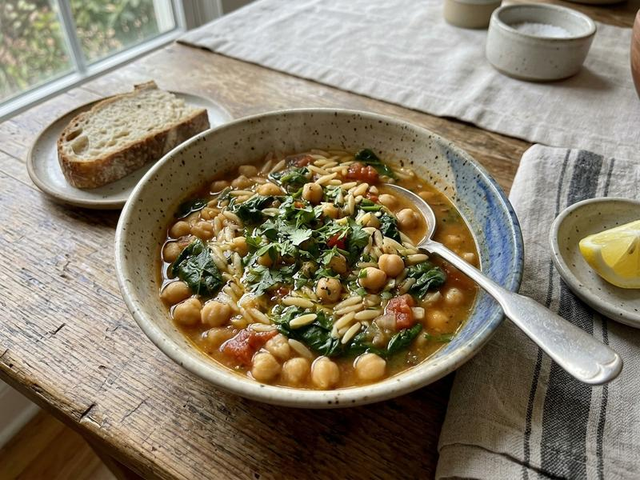
Canned chickpeas and frozen spinach keep most of the preparation simple in this chickpea and spinach stew. Orzo cooks in the broth, making each portion a complete meal without a separate side.
- Start by softening chopped onion and garlic in olive oil.
- Add canned tomatoes, drained chickpeas, spinach, vegetable broth, parsley and spices, then simmer for about 25 minutes.
- Stir in the orzo and cook for another 10 minutes, until tender.
- Finish with lemon juice.
When reheating, add a splash of water or broth if the orzo has absorbed too much liquid.
Serving size: The recipe makes 4 servings. Divide the stew into four equal portions for one serving.
Approximately 410 calories · 16 g protein · 51 g carbs · 18 g fat.
Snack Meal Prep Ideas
If you like having a snack between meals, a few options ready in the fridge can save you preparation later. These take little work and are easy to portion.
Hummus and vegetable boxes
- Cut carrots, cucumber and peppers into sticks, then pack with hummus in a separate compartment.
- Add crackers when serving so they stay crisp.
One serving: Hummus (50 g), carrots (75 g), cucumber (75 g) and bell pepper (50 g).
Approximately 175 calories · 5 g protein · 23 g carbs · 8 g fat, excluding crackers
Yogurt and fruit jars
- Spoon plain Greek yogurt into jars and add berries.
- Pack granola or nuts separately to sprinkle on before eating, keeping their crunch.
One serving: Nonfat Greek yogurt (170 g), berries (75 g) and granola (20 g).
Approximately 230 calories · 20 g protein · 29 g carbs · 4 g fat
Hard-boiled eggs
- Cook eggs until the whites and yolks are firm, cool and refrigerate quickly.
- Add black pepper, smoked paprika or everything seasoning before eating, with vegetable sticks alongside if you like.
Refrigerated hard-boiled eggs keep for up to one week after cooking, peeled or in their shells.
One serving: Two large hard-boiled eggs.
Approximately 155 calories · 13 g protein · 1 g carbs · 11 g fat
Oat and nut butter bites
- Mix oats, peanut butter, honey and chocolate chips using our 4-ingredient peanut butter energy bites recipe.
- Chill the mixture if it’s too sticky to shape, then roll into 24 evenly sized bites.
- Refrigerate until firm and store in a sealed container, freezing extra portions for later.
One serving: Two bites (approximately 44 g).
Approximately 200 calories · 5 g protein · 25 g carbs · 11 g fat.
Meal Prep Ideas by Diet and Goal
You can build your meal prep around the foods you enjoy and the nutrition goals you’re working toward. Often, the same dish can fit several categories with a few changes to the ingredients or portions. A chicken bowl with extra chicken, for example, has a different protein content from one packed mostly with rice.
*Nutrition estimates below are per serving for the linked recipes. Portions, brands and any additions will change the figures. Carbs means total carbohydrates; net carbs are shown separately in the keto section.
High Protein Meal Prep Ideas
If you’re following a high-protein diet then it’s best to start with the protein source, and then decide how much of everything else goes into each portion. Chicken, turkey, fish, eggs, Greek yogurt and tofu give you plenty of options. Check how many servings the recipe makes, too because dividing the same batch between six containers instead of four means less protein in each portion.
Greek Yogurt Chicken Salad
Greek yogurt replaces the mayonnaise in this chicken salad, while celery, apples, grapes and almonds add crunch and a little sweetness. Chicken provides most of the protein, with yogurt adding more.
- Cook the chicken in olive oil until cooked through, then let it rest before chopping.
- Mix with the yogurt, fruit, celery and almonds.
- Keep the pita separate and fill it when you’re ready to eat so the bread doesn’t soften in the fridge.
Serving size: The recipe makes 6 servings. Divide the chicken salad into six equal portions and serve each with half a pita for one serving.
Approximately 275 calories · 26 g protein · 22 g carbs · 10 g fat, including the pita.
Ground Turkey and Sweet Potato Skillet
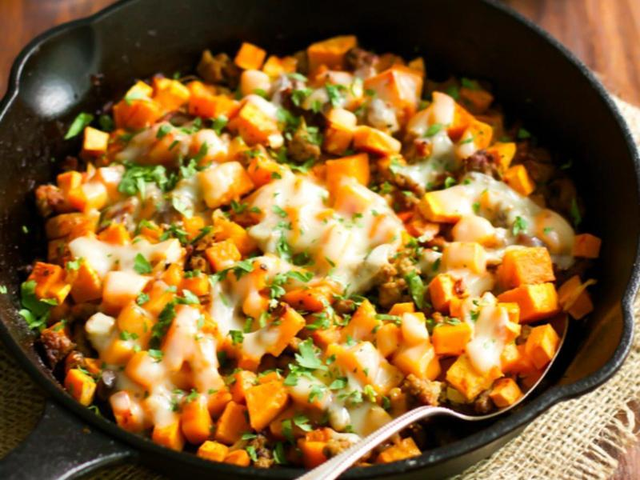
For something you can reheat, ground turkey and sweet potato skillet combines turkey, peppers and onion under a layer of melted mozzarella.
- Begin by browning the turkey with garlic in an oven-safe skillet.
- Add the onion and pepper, followed by small sweet potato cubes and seasoning.
- Cover and cook until the potatoes are tender, adding a splash of water if the pan gets dry.
- Sprinkle with mozzarella and transfer to a 400°F oven until the cheese melts.
Serving size: The recipe makes 4 servings. Divide the turkey and sweet potato mixture into four equal portions for one serving.
Approximately 315 calories · 27 g protein · 12 g carbs · 18 g fat.
If people in your household need different portions, cook some chicken, turkey or tofu separately from the vegetables and grains. You can then adjust the protein in each container without making separate meals.
Meal Prep Ideas for Weight Loss
Meal prep gives you time to decide on portions and put together meals you’ll want to keep eating. Choose dishes that feel satisfying, then adjust the quantities, sides and sauces around your needs. How much you eat is just as important as what you eat, so there isn’t one calorie target that fits everyone.
Not sure how many calories you should eat to lose weight? Try our calorie calculator, it can help you estimate a starting calorie and macro target.
Turkey Meatballs with Vegetables

A batch of turkey meatballs gives you a protein portion you can pair with different sides through the week.
- First, pulse rolled oats into a coarse flour, then gently mix with ground turkey, egg yolks, olive oil, salt and pepper.
- Shape into 24 meatballs and bake at 400°F, turning halfway through, until cooked through.
- Pack with roasted vegetables and add a portion of potatoes, rice or pasta to suit your appetite. Measure any sauce separately so it’s easy to adjust.
Serving size: The recipe makes 4 servings. Divide the 24 meatballs into four portions of six meatballs for one serving.
Approximately 250 calories · 25 g protein · 5 g carbs · 15 g fat, excluding vegetables, sauce and other sides.
Bean and Vegetable Soup

When you want a meal you can make in one pot, bean and vegetable soup combines kidney beans with cauliflower, zucchini, carrots and tomatoes.
- Start by softening the onion and carrots in a little vegetable broth.
- Pour in the remaining broth and canned tomatoes, then add the other vegetables and drained beans.
- Simmer until everything is tender before dividing into containers.
- Add bread or another side if the soup alone isn’t enough for your meal.
Serving size: The recipe makes 4 servings. Divide the soup into four equal portions for one serving.
Approximately 245 calories · 15 g protein · 46 g carbs · 2 g fat, excluding bread or other sides.
Low Calorie Meal Prep Ideas
If you’re looking for meals with fewer calories per serving, pay attention to the whole recipe, including cooking oil, cheese and sauces. The options below have defined portions, making them easier to compare. You can also add a side or increase the portion when you need a more substantial meal.
Cauliflower Chicken Fried Rice
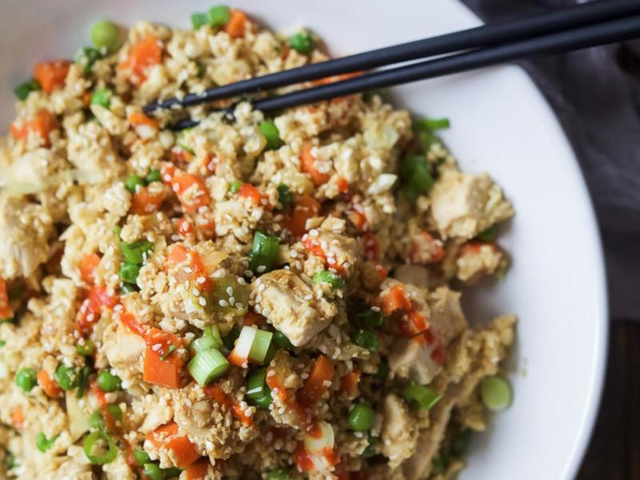
Cauliflower takes the place of rice in this chicken fried rice, with chicken, egg and mixed vegetables cooked in the same pan.
- Pulse cauliflower into rice-sized pieces.
- Cook diced chicken in sesame oil, then add onion and mixed vegetables.
- Push everything aside to scramble the egg in the center of the pan, then stir in the cauliflower and cook until tender.
- Finish with soy sauce.
- Measure the oil before cooking, since extra splashes will change the calorie total.
Serving size: The recipe makes 2 servings. Divide the chicken, egg and cauliflower mixture into two equal portions for one serving.
Approximately 270 calories · 23 g protein · 20 g carbs · 12 g fat.
Egg White and Vegetable Frittata

An egg white frittata works for breakfast or lunch, with spinach, peppers and feta giving each slice more flavor.
- While the oven heats to 375°F, soften chopped onion and pepper in olive oil in an oven-safe skillet.
- Pour in the egg whites, cook briefly, then add spinach and crumbled feta.
- Transfer to the oven for 8–10 minutes, until set.
- Reheat gently, and serve with toast or fruit if you want more alongside it.
Serving size: The recipe makes 2 servings. Cut the frittata into two equal portions for one serving.
Approximately 320 calories · 21 g protein · 9 g carbs · 22 g fat, excluding toast or fruit.
Keto Meal Prep Ideas
For keto meal prep, check how each serving fits your daily carbohydrate target. The keto diet generally restricts carbohydrates more than a broader low-carb approach, so sauces, vegetables and toppings still need to be counted.
The figures below show total carbs and the recipe’s listed net carbs separately.
Egg Roll in a Bowl
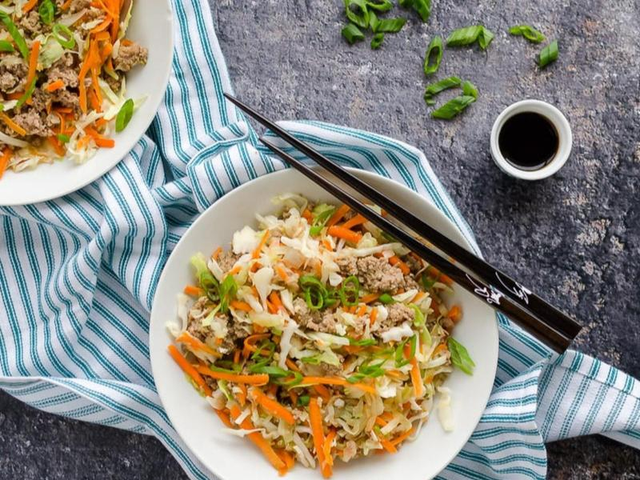
Egg roll in a bowl cooks shredded cabbage, ground turkey and vegetables with ginger and tamari, without a wrapper.
- Begin by browning the turkey in sesame oil, breaking it into small pieces.
- Add cabbage, onion, carrots and celery, then stir-fry until softened.
- Stir in the sprouts and garlic, followed by tamari and ginger.
- This version has about 10 grams of net carbs per portion, so account for that when planning the rest of your day.
- Sweet chili sauce or other toppings would add to the listed figures.
Serving size: The recipe makes 4 servings. Divide the turkey and vegetable mixture into four equal portions for one serving.
Approximately 185 calories · 15 g protein · 15 g total carbs (10 g net carbs) · 8 g fat.
Salmon with Green Beans
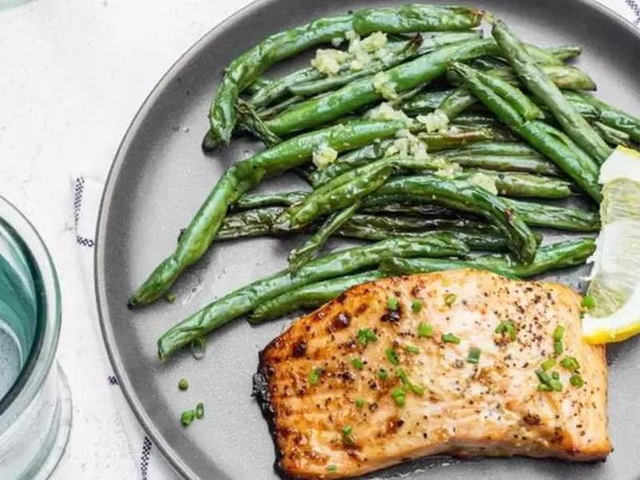
Lemon and olive oil keep salmon with green beans simple, without a sweet glaze or bottled sauce.
- Start by tossing the beans with half the olive oil, then air-fry at 400°F for 8–10 minutes.
- Remove them and coat the salmon with the remaining oil and dry seasoning.
- Increase the temperature to 425°F and cook the fish until done, following the recipe’s timing.
- Divide between containers with the beans, and add the lemon juice when serving.
Serving size: The recipe makes 2 servings. Divide the salmon and green beans into two equal portions for one serving.
Approximately 430 calories · 37 g protein · 9 g total carbs (6 g net carbs) · 28 g fat.
Low-Carb Meal Prep Ideas
A low-carb diet approach leaves more room for carbohydrate-containing foods than keto, depending on your target and portions. You can also adapt meals you already enjoy. The chicken fajita filling from the dinner section, for example, can go over cauliflower rice instead of into tortillas.
Ground Turkey Lettuce Wraps
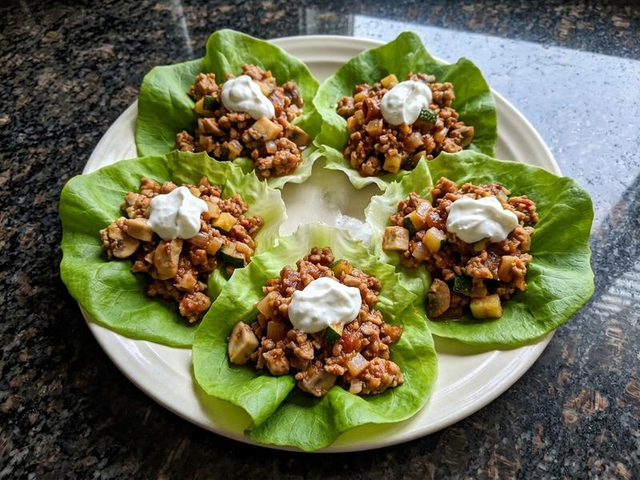
The filling for our turkey lettuce wraps will leave you coming back for more…mushrooms, zucchini and onion, with tomato sauce and chili powder for flavor.
- Soften the vegetables in olive oil, add garlic, then cook the ground turkey in the same pan.
- Stir in the tomato sauce, seasoning and the small amount of sugar listed in the recipe.
- Pack the cooked filling separately from washed, dried lettuce leaves and sour cream.
- Reheat the filling before spooning it into the leaves.
Serving size: The recipe makes 4 servings. Divide the filling into four equal portions and serve each with six lettuce leaves and 2 tablespoons of sour cream for one serving.
Approximately 295 calories · 27 g protein · 13 g carbs · 17 g fat.
Zucchini Lasagna
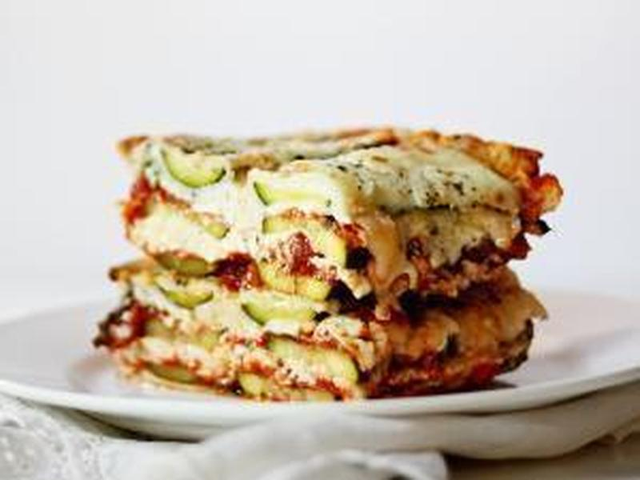
Thin zucchini slices replace the pasta in zucchini lasagna, layered with turkey tomato sauce, ricotta and mozzarella, you almost won’t even notice the difference.
- Cook the zucchini slices first and drain them well.
- Meanwhile, brown the turkey with onion, then add tomatoes, tomato paste and herbs.
- Let the sauce reduce before assembling the layers with the zucchini and cheese mixture.
- Bake at 375°F as directed, adding the remaining mozzarella toward the end.
Draining the zucchini and reducing the sauce help keep the finished portions from becoming watery.
Serving size: The recipe makes 4 servings. Divide the lasagna into four equal portions for one serving.
Approximately 360 calories · 37 g protein · 19 g carbs · 17 g fat.
Vegetarian Meal Prep Ideas
Beans, lentils, tofu, eggs and dairy all give you plenty of protein sources to rotate through the week. The options below contain dairy, and the stuffed shells also contain egg so they won’t be suitable if you follow a strict vegetarian diet.
Black Bean and Quinoa Enchilada Bake
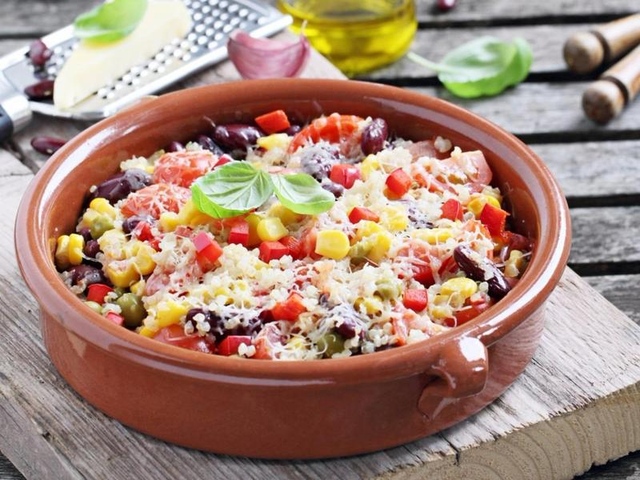
Black beans, pinto beans and quinoa make this enchilada bake substantial, with cheddar melted over the top. Despite the name, this version is actually prepared in a slow cooker for extra convenience.
- First, sauté onion, pepper and garlic, then transfer to the slow cooker with rinsed quinoa, broth, tomatoes and spices.
- Cook on high until the quinoa is tender, about three hours.
- Fold in the beans and corn, add the cheese, then cover until heated through.
- Pack any fresh toppings separately.
Serving size: The recipe makes 8 servings. Divide the quinoa and bean mixture into eight equal portions for one serving.
Approximately 380 calories · 18 g protein · 51 g carbs · 12 g fat, excluding optional toppings.
Spinach, Ricotta and Pesto Stuffed Shells
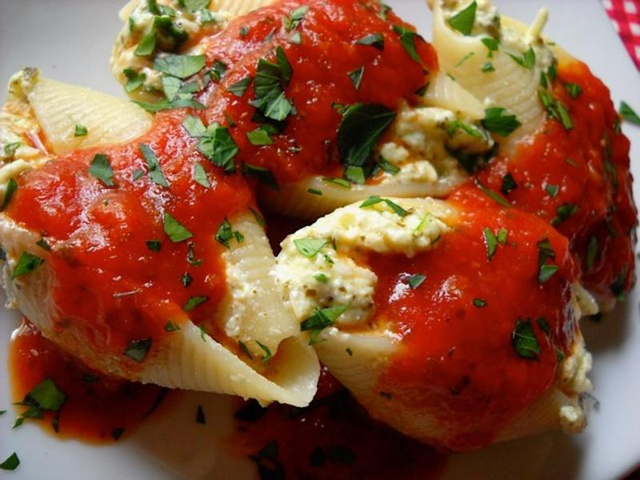
A tray of our pesto stuffed shells gives you eight portions to refrigerate or freeze individually for easy, delicious meals whenever you don’t have time prepare.
- While the shells cook until just al dente, mix ricotta, mozzarella, pesto, egg and chopped spinach.
- Fill the drained shells and arrange them over a layer of marinara in a baking dish.
- Spoon the remaining sauce over the top and bake at 350°F for about 30 minutes, until hot throughout.
- Reheat portions covered so the exposed pasta edges don’t dry out.
Serving size: The recipe makes 8 servings. Divide the 32 stuffed shells into eight portions of four shells, with an equal share of sauce, for one serving.
Approximately 385 calories · 19 g protein · 42 g carbs · 17 g fat.
Vegan Meal Prep Ideas
Lentils, beans, tofu and edamame can provide the protein for vegan meal prep, alongside vegetables, grains or potatoes. Check packaged broth, tortillas and sauces for animal-derived ingredients, and add fresh toppings when you’re ready to eat.
Lentil Bolognese with Spaghetti
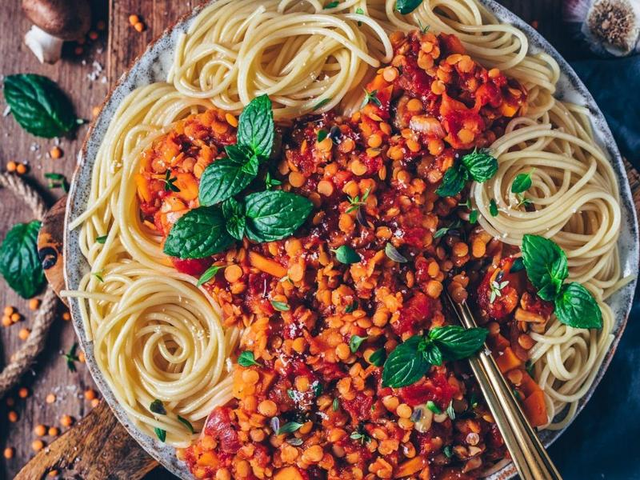
The mushrooms and lentils in this recipe give our lentil bolognese a chunky texture that works so well with spaghetti that you’ll be going back for seconds.
- Cook the measured dry lentils until tender first.
- While they cook, sauté onion, carrot, celery and mushrooms, then stir in garlic and tomato paste.
- Add the lentils, tomatoes and vegetable broth, and simmer until the sauce comes together.
- Boil the spaghetti separately until al dente.
If you’re freezing portions, you can freeze the sauce on its own and cook fresh pasta later.
Serving size: The recipe makes 4 servings. Divide the spaghetti and lentil sauce into four equal portions for one serving.
Approximately 495 calories · 21 g protein · 95 g carbs · 4 g fat.
Tofu Scramble Burritos
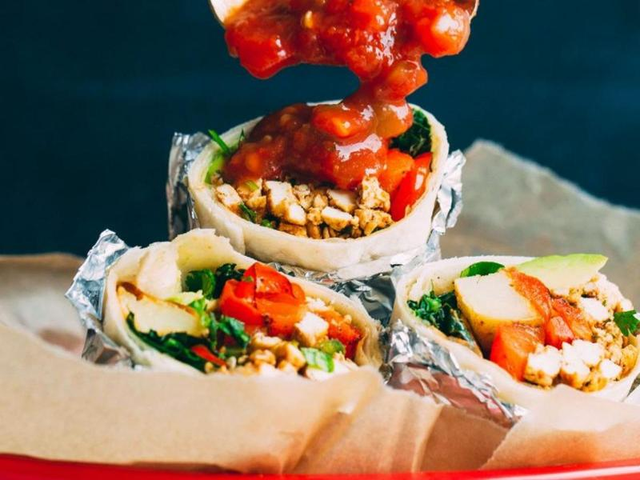
For breakfast, lunch, or dinner, these tofu scramble burritos combine seasoned tofu with roasted potatoes, peppers and kale making them the perfect dish for any time of day.
- Start by pressing and crumbling the tofu.
- Roast the potatoes and peppers at 400°F, adding kale near the end.
- Meanwhile, sauté the tofu with garlic, then stir in the hummus, nutritional yeast and spice mixture.
- Pack the filling and tortillas separately, with avocado, salsa and cilantro added when serving.
You can also freeze the cooked filling in individual portions.
Serving size: The recipe makes 4 servings. Divide the tofu and vegetables between four tortillas, with an equal share of avocado, salsa and cilantro, for one serving.
Approximately 475 calories · 20 g protein · 60 g carbs · 20 g fat, including the tortilla and toppings.
Meal Prep Ideas for Your Budget and Schedule
Saving money and saving time don’t always mean choosing the same meals. Dried beans can cost less but take longer to cook, while ready-cooked chicken or chopped vegetables can save work at a higher price. Choose the shortcuts that help you most, then plan a few meals that share ingredients.
Cheap Meal Prep Ideas
Rice, beans, lentils, eggs and frozen vegetables give you plenty to work with without buying a long list of ingredients. Reusing onions, carrots, rice or beans across several meals can also help you finish what you buy.
Keep your appetite and preferences in mind when portioning. An inexpensive meal only helps your budget if there’s enough to satisfy you and you actually want to eat it.
Rice and Bean Burrito Bowls
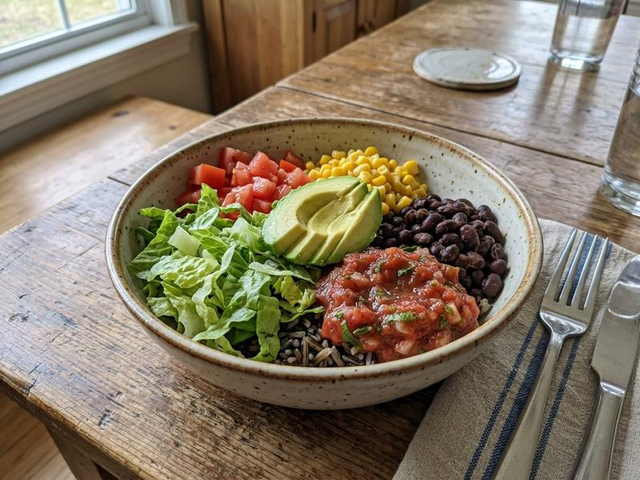
With black beans, corn and salsa, rice and bean burrito bowls are a budget-friendly option that also have the benefit of not needing any cooking other than the rice.
- Start by cooking the rice according to the package instructions, then drain the beans and corn.
- Divide these between containers, keeping the lettuce, tomatoes and salsa separate if you’ll be reheating the bowls.
- Slice the avocado when serving.
The linked recipe uses wild rice, but you can use whichever rice you already have. Pinto beans also work instead of black beans. These substitutions will change the nutrition slightly.
Serving size: The recipe makes 4 servings. Divide the rice, beans, corn and toppings into four equal portions for one serving.
Approximately 335 calories · 15 g protein · 55 g carbs · 9 g fat, using the linked recipe’s ingredients.
Lentil Soup
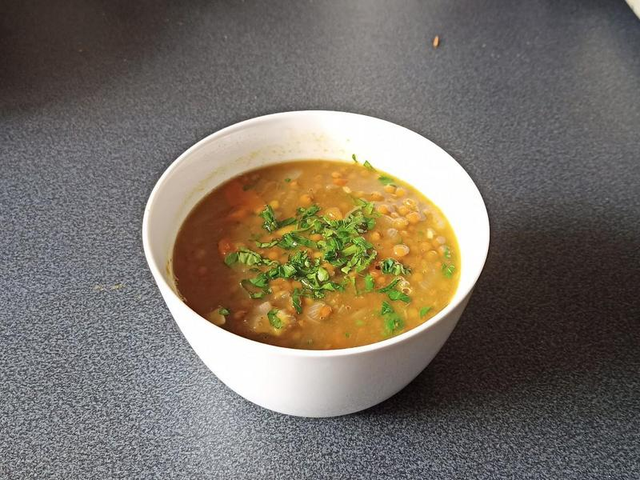
A bag of dried lentils goes a long way in this lentil soup, which uses onion, carrot, garlic and cumin rather than a long list of extras you’ve never heard of.
- Rinse the lentils and soften the chopped vegetables in olive oil.
- Stir in the cumin, then add the lentils and water.
- Simmer for 20–25 minutes, until tender, and finish with lemon juice and parsley.
- Leave it chunky or blend some of the soup for a thicker texture.
Freeze any portions you won’t use soon. If you’re buying parsley just for this dish, dried parsley is an alternative, or use the remaining fresh leaves in another meal.
Serving size: The recipe makes 6 servings. Divide the soup into six equal portions for one serving.
Approximately 205 calories · 12 g protein · 34 g carbs · 3 g fat, excluding bread or other sides.
Egg Fried Rice with Vegetables

Vegetable fried rice puts rice, eggs, carrots and peas together in one meal. Frozen peas and carrots can be used a useful shortcut, especially if you’d otherwise buy more fresh vegetables than you need.
- While the brown rice cooks, soften chopped onion, carrots and peas in a little olive oil.
- Add the eggs and scramble until set, then mix everything with the cooked rice.
- You can also use rice already cooked for another meal.
Add another egg or some tofu if you want a more substantial portion, accounting for those additions separately.
Serving size: The recipe makes 4 servings. Divide the rice, egg and vegetable mixture into four equal portions for one serving.
Approximately 245 calories · 8 g protein · 43 g carbs · 5 g fat, using the linked recipe’s ingredients and excluding additions.
Easy Meal Prep Ideas
Easy meal prep can mean fewer pans, less chopping or cooking that needs little attention once it’s underway. It’s important to check both preparation and cooking time though as, for example, a slow-cooker meal might take minutes to assemble but still need most of the day before it’s ready.
Start with one meal or component, such as a tray of vegetables or a batch of chicken and then you can build on that once you know how much preparation fits your week.
Sheet-Pan Sausage and Vegetables
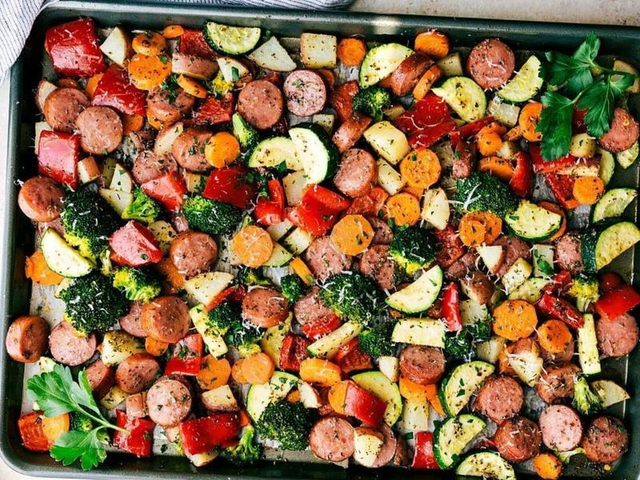
Everything for this sheet-pan sausage and vegetables roasts together, so you don’t have to cook the protein, potatoes and vegetables separately.
- Begin by cutting the smoked sausage into rounds, the potatoes into small pieces and the remaining vegetables into bite-sized chunks.
- Toss with olive oil and the herb mixture, then spread across a large sheet pan.
- Roast at 400°F for 25–35 minutes, turning once, and finish with Parmesan.
The recipe lists about 15 minutes of preparation. Pre-cut broccoli and sliced carrots can reduce the chopping further.
Serving size: The recipe makes 4 servings. Divide the sausage, potatoes and vegetables into four equal portions for one serving.
Approximately 545 calories · 18 g protein · 30 g carbs · 41 g fat.
Slow-Cooker Salsa Chicken
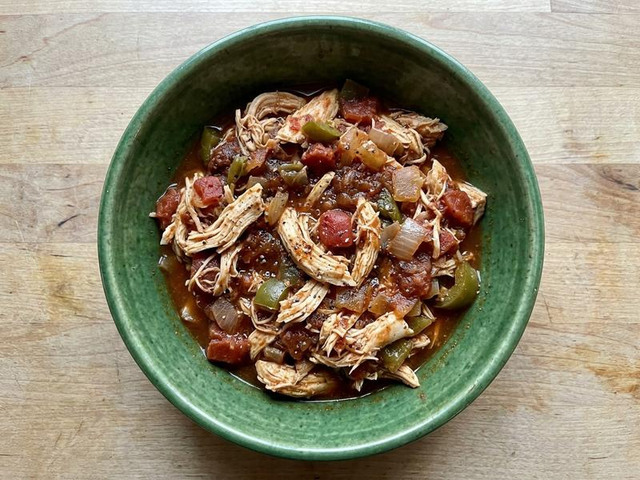
For a batch of chicken you can use in bowls, wraps or tacos, slow-cooker salsa chicken takes about 10 minutes to prepare. The seven-hour cooking time needs planning, but it requires little hands-on work so you can enjoy other things while it cooks.
- Chop the onion and peppers, then put them in the slow cooker with chicken breasts, salsa, canned tomatoes, garlic and seasoning.
- Cook on low as directed until the chicken is cooked through and tender enough to shred. Stir the shredded meat back into the sauce before portioning.
Keep it as a separate component so you can serve it with different sides through the week.
Serving size: The recipe makes 8 servings. Divide the shredded chicken, vegetables and sauce into eight equal portions for one serving.
Approximately 195 calories · 28 g protein · 13 g carbs · 4 g fat, excluding rice, tortillas or other sides.
One-Pot Chicken and Quinoa
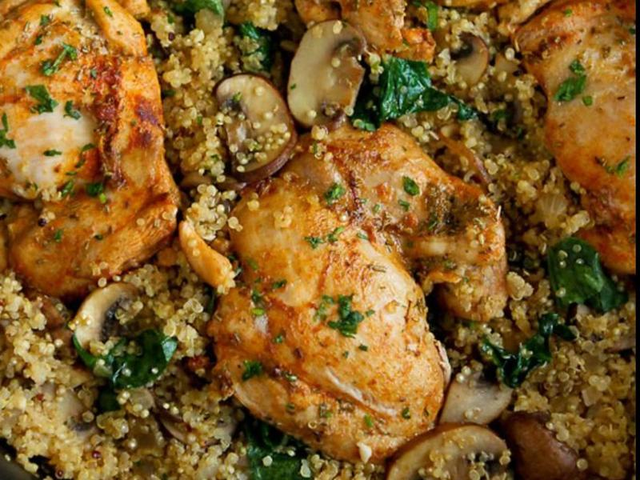
Cooking the quinoa with the rest of the meal instead of separately saves dirtying an extra saucepan in this chicken and quinoa dish. Mushrooms and spinach cook in the same skillet too.
- First, season and briefly brown the chicken thighs, then set them aside.
- Soften the onion and mushrooms in the pan before adding quinoa and broth.
- Cover and simmer, then return the chicken to finish cooking with the quinoa.
- Stir in the spinach at the end.
Allow about 10 minutes for preparation and 40 minutes for cooking. Pre-sliced mushrooms and washed spinach cut down the preparation without changing the basic method.
Serving size: The recipe makes 6 servings. Divide the quinoa and vegetables into six equal portions and add one chicken thigh to each for one serving.
Approximately 345 calories · 22 g protein · 21 g carbs · 19 g fat.
How to Turn These Ideas into a Week of Meals
Picking recipes is the first step. Next, you need to work out how many portions to make, when you’ll eat them and what needs to go in the freezer.
Here’s an example for one person, Monday through Friday, using overnight oats, salsa chicken and lentil soup. We’ll use those same dishes to build the shopping list, cooking order and serving schedule.
Choose Complete Meals or Prepare Components
You don’t have to use the same method for every meal. You might pack lunches into containers, make a pot of soup for dinner and keep some chicken separate for wraps.
| Approach | What it involves | Example |
| Batch cooking | Cook several portions of one dish | A pot of lentil soup |
| Individual meals | Pack complete meals, ready to grab | Salsa chicken rice bowls |
| Component preparation | Keep ingredients separate to combine later | Chicken filling, rice, tortillas and toppings |
In our example, the soup is ready to reheat, the rice bowls become packed lunches, and the remaining chicken goes into wraps at dinner.
Pick Meals That Share Ingredients
Before choosing recipes, check how many meals you need. Lunch out on Wednesday or dinner with friends on Friday means one less portion to prepare. Check what everyone wants to eat, too, especially if you’re cooking for more than yourself.
For this Monday-to-Friday example, we’ll make:
- Five servings of blueberry yogurt overnight oats: Three jars on Sunday and two more on Wednesday evening.
- Eight servings of salsa chicken: Four for rice bowls at lunch and four for wraps at dinner.
- Six servings of lentil soup: Two for this week and four to freeze for another time.
The chicken and soup both use onion and garlic, so you can chop those together. The chicken does double duty: serve it over rice for lunch, then warm another portion and tuck it into a tortilla for dinner.
This covers five breakfasts, five lunches and five dinners, with four spare soup portions. Add sides or adjust portions to suit your appetite.
Want meals ready for the week without having to figure out all the portions and shopping? Find all these recipes with serving sizes and macros in our app, and let it automatically build your weekly meal plan and grocery list, ready to send to Instacart, Walmart, Amazon Fresh, and more…
Make One Grocery List
Write down what each recipe needs, then add the shared ingredients together. The chicken uses 220 grams of onion and the soup uses 80 grams, so you need 300 grams altogether.
Here’s the combined list for our example, including rice, tortillas and bread to serve alongside the cooked dishes.
| Grocery group | Total quantity needed |
|---|---|
| Chicken | 2 pounds boneless, skinless chicken breast |
| Breakfast ingredients | 200 g rolled oats, 600 g plain nonfat Greek yogurt, 35 g ground flaxseed, 95 g blueberries, 20 g pecans and 10 g brown sugar |
| Vegetables | 300 g onion, 74 g garlic, 2 medium green bell peppers and 64 g carrots |
| Lentils and sides | 288 g dry lentils, 1 cup dry brown rice, 4 tortillas and 4 slices of bread |
| Chicken sauce | 1 cup canned tomatoes and 2 cups salsa |
| Oil, herbs and seasoning | 1 tablespoon olive oil, 2 tablespoons paprika, 1 teaspoon ground cumin, 1 tablespoon lemon juice, ¼ cup chopped parsley, salt and pepper |
The list uses five servings of the overnight oats, one full batch of salsa chicken and one full batch of lentil soup. Cook the rice according to the package instructions and divide it into four portions.
Check what you already have before shopping. You only need small amounts of carrots, parsley and lemon juice, so this is a good chance to use up ingredients already in the fridge.
Set aside two breakfasts’ worth of ingredients for Wednesday evening. Keep the pecans and brown sugar separate from all five jars until serving.
Follow a Practical Cooking Order
Start the chicken in the morning, since it needs seven hours in the slow cooker. You can get the soup, rice and first three breakfasts ready while it cooks, then leave the kitchen and come back to pack the chicken later.
| Task | When to start | What can happen alongside it |
|---|---|---|
| Chop the vegetables | Sunday, around 9 a.m. | Separate the onion and garlic needed for each recipe |
| Start the salsa chicken | Around 9:15 a.m. | Add the chicken, vegetables, tomatoes, salsa and seasoning; cook on low for seven hours |
| Make the lentil soup | Once the chicken is underway | Soften the soup vegetables, add lentils and water, then simmer until tender |
| Cook the brown rice | While the soup simmers | Follow the package instructions and set a separate timer |
| Assemble three oat jars | While the soup and rice cook | Put the jars straight in the fridge and reserve the toppings |
| Pack the soup and rice | As each finishes cooking | Label the portions and separate those for the fridge and freezer |
| Shred and pack the chicken | Around 4:15 p.m., once cooked through | Divide the chicken and sauce into eight equal portions |
| Make the last two oat jars | Wednesday evening | Move Thursday’s frozen chicken and rice into the fridge |
The chicken needs the longest cooking time, but most of that time needs no attention from you. Once it’s started, you can finish the other jobs and come back when it’s ready. The oat jars stay in the fridge overnight, ready for breakfast.
As the soup and rice finish cooking, portion them into shallow containers and put them in the fridge. Do the same with the chicken later. There’s no need to wait for everything to reach room temperature, and cooked food should be refrigerated within two hours.
Decide What to Refrigerate and Freeze
Put the portions you’ll eat early in the week in the fridge. Freeze Thursday and Friday’s cooked meals on Sunday, along with the four spare soup portions. Most cooked leftovers keep for three to four days refrigerated, so freezing the later meals saves you from stretching that window.
Here’s where every portion goes:
| Meal | Portions prepared | Planned serving day | Storage plan | Final serving step |
|---|---|---|---|---|
| Overnight oats | 3 jars on Sunday | Monday, Tuesday and Wednesday breakfast | Refrigerate immediately | Stir and add pecans and brown sugar |
| Overnight oats | 2 jars on Wednesday evening | Thursday and Friday breakfast | Refrigerate overnight | Stir and add the reserved toppings |
| Salsa chicken rice bowls | 4 chicken portions and 4 rice portions | Monday, Tuesday, Thursday and Friday lunch | Refrigerate Monday and Tuesday’s portions; freeze Thursday and Friday’s on Sunday | Move Thursday’s portion to the fridge Wednesday evening and Friday’s Thursday morning; reheat before eating |
| Salsa chicken wraps | 4 chicken portions and 4 tortillas | Monday through Thursday dinner | Refrigerate three chicken portions; freeze Thursday’s on Sunday; store tortillas according to the package | Move Thursday’s chicken to the fridge Wednesday evening; reheat the filling and warm the tortilla |
| Lentil soup with toast | 2 soup portions and 4 bread slices | Wednesday lunch and Friday dinner | Refrigerate Wednesday’s soup; freeze Friday’s on Sunday | Move Friday’s soup to the fridge Thursday morning; reheat and serve with two slices of toast per meal |
| Extra lentil soup | 4 portions | A future week | Freeze individually on Sunday | Move a portion to the fridge ahead of the meal, then reheat |
Label containers with the dish and preparation date. A reminder on Wednesday evening can help you remember to move Thursday’s portions into the fridge.
If you forget to thaw a meal, you can reheat it from frozen, allowing extra time and stirring where possible. Reheated leftovers should reach 165°F throughout.
You can also organize repeat meals in Eat This Much. Recurring foods let you keep familiar meals in your plan, while Premium’s leftovers feature schedules portions across the week and generates a grocery list from the meals you’ve planned.
For more help fitting meals around your week, see our detailed meal planning guide.
Common Meal Prep Mistakes
A few small choices can make the difference between meals you look forward to and containers you keep pushing to the back of the fridge.
- Preparing more than you need: Check your plans before cooking. If you’ll be out for dinner or buying lunch, make fewer portions or freeze the extras.
- Choosing meals you don’t enjoy as leftovers: If you only like a dish fresh from the oven, it may not belong in your weekly rotation. Choose meals you’re happy to eat cold or reheated.
- Packing everything together: Dressing can wilt leaves, and sauces can soften crunchy toppings. Keep them separate, along with fresh additions such as avocado.
- Overcooking pasta and vegetables: They’ll soften further when reheated. Follow the recipe’s guidance, cooking pasta just until al dente and vegetables until tender rather than mushy.
- Planning no variety: You don’t need five different recipes, but changing a sauce or side can help. Freeze extra portions if you don’t want the same meal again tomorrow.
- Ignoring the preparation effort: Three easy recipes can still be awkward if they all need the oven at different temperatures. Pick a combination that fits your time, equipment and space.
Start with a Few Meals You’ll Look Forward To
The best meal prep ideas are the ones you’ll still want to eat a few days after making them. Pick a couple that fit your budget, appetite and schedule, then build from there. Even having lunch ready for the next two days can make the week easier.
You don’t have to cook something different for every meal. A batch of chicken can become bowls and wraps, and a few frozen portions can give you a night off cooking next week.
If deciding what to make takes longer than the cooking itself, Eat This Much can help you put together a meal plan around your food preferences, calorie and macro targets. Choose meals you enjoy, plan where the leftovers will go, and give yourself less to think about when it’s time to eat.
FAQs
What Are the Best Meals to Prep for the Week?
Chili, curries, soups, baked pasta and grain bowls are good choices because they portion easily and reheat well. For breakfast, try overnight oats, egg muffins or baked oatmeal. Choose a few meals you enjoy, and freeze the portions intended for later in the week.
Can I Meal Prep Without Eating the Same Thing Every Day?
Yes. Prepare a few ingredients separately, then combine them differently. Cooked chicken can go into a rice bowl one day and a wrap the next. Changing sauces, vegetables or sides adds variety without making another full recipe.
What Are Good Meal Prep Ideas Without a Microwave?
You don’t need a microwave to meal prep. Chicken salad, chickpea and quinoa bowls, pasta salads, hummus lunch boxes and overnight oats all taste good cold. If you prefer hot meals, soups, curries and cooked fillings can be reheated on the stovetop, while baked dishes can go in the oven.
Can I Prepare Meals for a Whole Week at Once?
Yes, but plan to freeze some portions. Most cooked leftovers keep for three to four days in the fridge, so refrigerate the early meals and freeze those for later. Fresh toppings and delicate salads are better prepared closer to when you’ll eat them.
What Meal Prep Ideas Work Well for One Person?
Single-serving overnight oats, lunch boxes and mix-and-match bowls are easy to portion. Larger recipes such as soup, chili and curry also work well if you keep a few servings for the next couple of days and freeze the rest individually.
Can I Freeze Previously Prepared Meals?
Yes, provided they’ve been handled and refrigerated safely. Freeze them right after they’ve cooled rather than waiting until the end of their fridge storage window. Soups, stews, curries and cooked meat fillings generally freeze well, while lettuce, cucumber and creamy yogurt dressings can lose their texture.
Is It Safe to Eat Meal Prep for 4 Days?
For most cooked leftovers, four days is within the recommended three-to-four-day fridge storage window, provided they were refrigerated quickly and kept cold. Count from the day you cooked the food, rather than when you first ate it. Freeze any portions you won’t use within that time.