


You don’t want to give up meat entirely forever. You also know that eating it at every meal probably isn’t doing your health any favors. So you start thinking about a middle ground.
A vegetarian diet appeals to a lot of people for that reason. It reduces or removes meat while keeping other animal products such as dairy and eggs. For some, it’s a stepping stone toward a vegan diet. For others, it’s a long-term way of eating that feels more realistic and easier to maintain.
What Is a Vegetarian Diet?

A vegetarian diet is an eating plan that usually excludes meat, poultry, and fish, but still includes plant foods and, in most cases, some animal products such as dairy and eggs.
At its core, it’s built around vegetables, fruits, legumes, whole grains, nuts, and seeds. Depending on the type of vegetarian diet, you may also eat foods like milk, yogurt, cheese, and eggs. What you won’t eat is beef, chicken, pork, turkey, seafood, or anything made from them.
Types of Vegetarian Diets
There are several types of vegetarian diets, depending on which animal products someone chooses to include or exclude. The differences mainly come down to whether dairy, eggs, or fish are part of the plan.
Knowing the differences helps you understand what you are actually signing up for and how much planning you may need.
Lacto-ovo vegetarian
This is the most common version. It excludes meat, poultry, and fish but includes dairy and eggs. When someone says they are “vegetarian” without specifying, this is usually what they mean. It is also the easiest to maintain because eggs and dairy provide important nutrients like protein, vitamin B12, and calcium that are hard to get from plant sources.
Lacto-vegetarian
This version excludes meat, fish, and eggs but includes dairy. It is less common and requires a bit more attention to protein and B12 intake compared to lacto-ovo.
Ovo-vegetarian
This approach excludes meat, fish, and dairy but includes eggs. It is relatively rare and can make getting enough calcium more challenging without fortified plant milks or supplements.
Pescatarian
Technically not vegetarian because it includes fish, but it is often grouped with vegetarian diets. It excludes meat and poultry while keeping seafood. Nutritionally, it is usually easier to manage because fish provides omega-3 fats and vitamin B12.
Vegan
Vegan diets exclude all animal products, including dairy and eggs. They can be very healthy but require more planning and, in most cases, supplementation.
Most people start with lacto-ovo vegetarian or pescatarian and then adjust based on how they feel, their preferences, and their personal values.
Want an easy way to stick to a vegetarian diet? Get free, fully customized meal plans that manage your calories, protein and nutrients automatically.
Vegetarian vs Vegan: What’s the Difference?
The terms are often used interchangeably, but they’re not the same. A vegetarian diet removes meat and fish but may still include foods like eggs and dairy, while a vegan diet excludes all animal products entirely. The table below breaks down the key differences side by side so you can see exactly what’s included in each diet type.
| Vegetarian | Vegan | |
|---|---|---|
| Meat | Excluded | Excluded |
| Fish | Excluded | Excluded |
| Dairy | Included (most types) | Excluded |
| Eggs | Included (most types) | Excluded |
| Honey | Included | Excluded |
| Supplementation | Optional (B12 recommended) | Required (B12, D, omega-3) |
| Implementation difficulty | Moderate | Higher |
| Sustainability | High (easier protein) | Moderate (requires planning) |
Vegetarianism is generally easier to sustain than a vegan diet because dairy and eggs provide complete proteins, B12, and calcium more easily.
Health Benefits of a Vegetarian Diet
When done correctly, vegetarian diets show consistent health benefits in research, though the benefit depends on what you’re replacing animal products with (whole foods vs processed foods).
Heart Health
Vegetarians show lower LDL cholesterol and lower cardiovascular disease risk, with some studies finding vegetarians had 25% lower cardiovascular disease risk than meat eaters. This results from lower saturated fat intake and higher fiber intake, not from some magical property of plants.
Weight Management
Vegetarian diets support weight loss through two mechanisms: higher fiber (more satiating) and lower calorie density of plant foods compared to meat and cheese-heavy meals. Studies found that weight loss averages 1-3 pounds per month, which is steady and sustainable.
Blood Sugar Regulation
Improved insulin sensitivity and lower Type 2 diabetes risk result from the high fiber and low glycemic load that support stable blood sugar.
Reduced Cancer Risk
Some evidence supports lower colorectal and breast cancer risk, likely from high fiber intake.
Improved Gut Health
Higher fiber intake promotes beneficial gut bacteria diversity, with vegetarians showing greater microbiome diversity than omnivores.
Nutritional Considerations for Vegetarians
Most people go vegetarian without understanding what they’re losing, feel worse after a month, and assume vegetarianism doesn’t work for them. It wasn’t vegetarianism, it was poor planning.
This is where most guides gloss over critical information. Understanding what’s actually missing helps you address it intentionally.
Protein
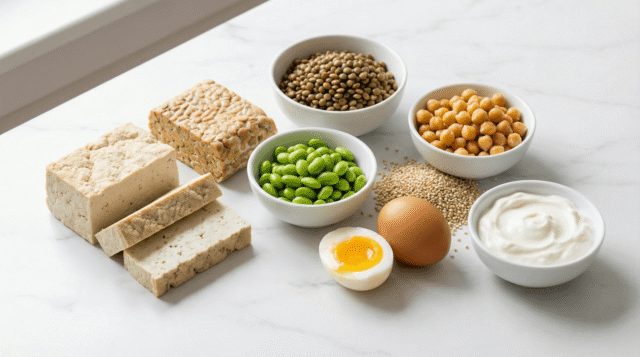
Plant proteins are often incomplete (missing some amino acids), but complementary proteins solve this by pairing rice with beans or eating varied sources throughout the day. Complete plant proteins include soy (tofu, tempeh, edamame), quinoa, and buckwheat. Target 50-75g protein daily, calculated based on your body weight and activity level.
💡 Use our macro calculator to find your personal macro targets based on your body weight and activity level.
Vitamin B12
Plant foods don’t contain bioavailable B12, though dairy and eggs provide some (cheese, yogurt, milk) in variable amounts, and fortified plant milks contain B12 but amounts vary by brand. If you’re a lacto-ovo vegetarian, you likely get adequate B12 from dairy and eggs, but if you’re ovo-vegetarian or lacto-only, supplementation is safer. Make sure to get blood work to verify levels, as deficiency causes neurological problems and anemia.
Iron
Plant iron (non-heme iron) is absorbed at 2-20% efficiency, so pair iron-rich foods with vitamin C (citrus, tomatoes, peppers) to increase absorption. Iron-rich plant sources include lentils (6.6mg per cup), chickpeas (4.7mg per cup), fortified cereals (4-18mg), and spinach (6.4mg per cup cooked). Women need 18mg daily, men need 8mg daily, and vegetarians often need to be intentional about hitting these targets.
Omega-3 Fatty Acids
Plant omega-3s (ALA from flax, chia, walnuts) convert poorly to EPA and DHA (the forms your body uses). Most vegetarians benefit from algae-based supplements or eating seaweed regularly. Try to target 1.6g ALA daily if not supplementing. If supplementing, 250-300mg EPA+DHA daily is sufficient.
Calcium
Lacto-vegetarians get plenty of calcium from dairy, while others need fortified plant milks (300-400mg per cup), leafy greens like collards (268mg per cup cooked), and tahini (130mg per tbsp). Try to target 1,000-1,200mg daily and verify fortified foods actually contain calcium.
Vitamin D
Everyone (not just vegetarians) needs vitamin D, with sun exposure of 15-30 minutes daily in summer providing natural production. The issue is that vegetarians cut out foods which supplement this. Fortified plant milks contain some, but it’s best to use supplements to make sure you’re hitting the target (1,000-2,000 IU daily), especially in winter.
Iodine
Vegetarians can get iodine from iodized salt or sea vegetables (nori, kelp, wakame), with one piece of seaweed per week providing adequate iodine.
Other Nutrients
Zinc and choline are present in vegetarian diets but absorption may be lower due to phytates in plant foods. Track intake or supplement if concerned.
Can a Vegetarian Diet Help With Weight Loss?
Yes, it can, but it doesn’t happen automatically. Vegetarian diets that focus on whole foods tend to be lower in calorie density and higher in fiber, which helps you feel full on fewer calories. When most of your meals are built around vegetables, legumes, whole grains, eggs, and dairy, weight loss often becomes easier because you’re naturally more satisfied.
That said, being vegetarian doesn’t guarantee a calorie deficit. It’s still possible to gain weight on refined grains, excess cheese, fried foods, pastries, and ultra-processed meat alternatives. Calories still matter. The difference is that a whole-food vegetarian approach makes it easier to eat an appropriate amount without constantly feeling hungry.
What to Eat On a Vegetarian Diet
A vegetarian diet can range from very healthy and whole-food focused to heavily processed and carb-heavy. Simply removing meat does not automatically make a diet balanced. What replaces it is what determines whether it supports your health long term.
Foods to Eat
- Vegetables: All varieties. Leafy greens especially provide iron, calcium, and magnesium. Cruciferous vegetables (broccoli, cauliflower) provide additional nutrients.
- Fruits: All varieties. Pair with iron-rich foods for better absorption due to vitamin C content.
- Whole grains: Brown rice, quinoa, oats, farro, whole wheat bread. Include fortified cereals for B12 and iron.
- Legumes: Lentils, chickpeas, beans. These are the primary protein source. Lentils provide 18g protein per cooked cup. Chickpeas provide 15g per cup.
- Soy products: Tofu (10g protein per 3oz), tempeh (19g protein per 3oz), edamame (11g per cup). Complete proteins with all amino acids.
- Nuts and seeds: Almonds, walnuts, chia seeds, and flaxseeds provide protein, healthy fats, and minerals, especially when paired with vitamin C foods to enhance iron absorption.
- Dairy (if included): Cheese (7g protein per oz), yogurt (10g per 6oz), and milk (8g per cup) are excellent sources of B12, calcium, and protein.
- Eggs (if included): Each large egg provides 6g protein as a complete protein and contains B12 and choline.
- Healthy fats: Olive oil, avocado oil, nuts, seeds, and avocados should not be restricted unnecessarily.
Foods to Avoid
- Meat, poultry, fish, and seafood are the obvious exclusions.
- Hidden animal products are the tricky part. Gelatin (from animal bones), rennet (from animal stomach, used in some cheeses), and Worcestershire sauce contain anchovies. Read labels if you care about these.
- Ultra-processed vegan foods aren’t technically off-limits but should be minimal. Vegan cheese, faux meats, and processed pastries are high calorie and low nutrient.
How to Get Started With a Vegetarian Diet

Switching to a vegetarian diet doesn’t have to mean flipping your entire routine overnight. The goal is to make changes that are realistic and sustainable, so you build meals you actually enjoy rather than forcing a temporary experiment.
Step 1: Choose Your Type
There are several types of vegetarian diets, and choosing one upfront gives you structure. Lacto-ovo vegetarian is usually the simplest nutritionally because eggs and dairy make protein and B12 easier to cover. Pescatarian works well if you want to keep fish for omega-3s. Fully vegan requires more planning and supplementation. Decide what you’re including before you start removing foods.
Step 2: Plan Protein at Every Meal
Protein shouldn’t be an afterthought. Most adults need roughly 50 to 75 grams per day, depending on body size and activity level. Identify vegetarian protein sources you actually enjoy, such as eggs, Greek yogurt, tofu, lentils, beans, cottage cheese, or tempeh, and build meals around them. When protein is planned, hunger and energy tend to be much more stable.
Step 3: Address Supplements
Even with a well-planned vegetarian diet, certain nutrients deserve attention. Vitamin B12 is safer to supplement than to rely solely on fortified foods, since fortification levels vary. Vitamin D is often needed in winter months, and algae-based omega-3s can help if you are not eating fish or seaweed regularly.
Step 4: Prepare Meals in Advance
Vegetarian eating often involves more home cooking than simply picking up ready-made meat-based meals. Choose three or four simple dishes you enjoy and rotate them until the routine feels natural. Consistency matters more than variety in the beginning.
7-Day Vegetarian Meal Plan
Below is a flexible vegetarian diet template that you can adjust based on preferences and availability.
| Breakfast | Lunch | Dinner | Snack | |
|---|---|---|---|---|
| Monday | Scrambled eggs with spinach | Lentil soup with whole grain bread | Stir-fry tofu with broccoli and brown rice | Apple with peanut butter |
| Tuesday | Greek yogurt with granola and berries | Chickpea salad with olive oil and lemon | Vegetable curry with rice and naan | Handful of almonds |
| Wednesday | Whole grain toast with avocado and egg | Caprese salad with mozzarella and basil | Pasta with marinara and white beans | Hummus with carrot sticks |
| Thursday | Oatmeal with berries and walnuts | Quinoa bowl with vegetables and chickpeas | Vegetable stir-fry with tempeh and noodles | Cheese and whole grain crackers |
| Friday | Cheese omelet with mushrooms | Lentil and vegetable soup | Black bean tacos with corn tortillas | Greek yogurt with granola |
| Saturday | Whole wheat pancakes with berries | Vegetable and tofu pad thai | Chickpea curry with sweet potato and spinach | Mixed nuts and dried fruit |
| Sunday | Vegetable frittata | Mediterranean salad with chickpeas and feta | Vegetable lasagna with spinach and ricotta | Fruit salad |
Building vegetarian meal plans that balance all nutrients takes planning. If you want a personalized plan based on your calorie needs and nutrient targets, Eat This Much generates custom vegetarian meal plans automatically, complete with recipes and shopping lists.
Potential Risks and Downsides Of the Vegetarian Diet
- Nutrient deficiencies can occur if poorly planned, as B12, iron, omega-3s, calcium, and vitamin D require intentional sourcing.
- Over-reliance on processed foods: Vegan cheese, faux meats, and processed pastries are high calorie and low nutrient, so whole foods should comprise 80%+ of your diet.
- Social and dining challenges: Eating differently from friends and family can be isolating, though most restaurants accommodate vegetarian diets now and your intent matters when dining with meat eaters.
The Bottom Line
Vegetarian diets are nutritionally complete and health-promoting when properly planned, with research consistent on heart health, weight management, and disease prevention.
The barrier isn’t the diet itself, but understanding which nutrients become critical and addressing them intentionally from day one: know your B12 source, your iron strategy, and your calcium and omega-3 plan. With those solved, vegetarian diets can work well long-term.
Ready to start a vegetarian diet and keep things simple? Get a free, fully customised meal plan that handles your protein, calories and nutrients for you.
Frequently Asked Questions
Is a vegetarian diet healthy long-term?
Yes, if well-planned, as the research is clear on health benefits, though the barrier is execution and nutrient monitoring.
Do vegetarians get enough protein?
Yes, if you eat varied legumes, soy, nuts, dairy, and eggs to hit your target of 50-75g daily.
Do vegetarians need supplements?
B12 supplementation or reliable dietary sources are essential, vitamin D supplementation is wise in winter, and algae omega-3s are recommended if not eating seaweed regularly.
Is a vegetarian diet safe during pregnancy?
Yes, if properly planned with medical supervision. Pregnancy requires attention to iron, B12, omega-3s, calcium, and protein, all of which are available from vegetarian sources but require intentional inclusion. Work with a prenatal dietitian to make sure you’re getting enough of these important nutrients.
Is a vegetarian diet safe for children?
Yes, with planning and pediatric supervision to ensure growth and development requirements are met through consistent nutrient intake.
Is vegetarian better than vegan?
For most people, yes, as it’s easier to sustain and nutritionally simpler, though your choice depends on your motivation (health, ethics, environment).