


GLP-1 diets have become one of the biggest topics in nutrition, largely because medications like Ozempic, Wegovy, and Mounjaro have transformed how people approach weight loss. But despite the name, there isn’t one official “GLP-1 diet.” Instead, it refers to an eating pattern designed to complement GLP-1 medications by prioritising nutrient-dense, high-protein foods that support muscle maintenance, help manage side effects, and make it easier to meet your nutritional needs while eating less.
If you’re taking Ozempic, Wegovy, Mounjaro, or Zepbound, you’ve probably been told to “eat healthy.” That’s not wrong, it’s just nowhere near enough guidance for a situation that is actually different from ordinary dieting. GLP-1 medications change how your body handles hunger, digestion, and cravings in ways that make your old eating habits risky in ways that sneak up on you.
What is a GLP-1 diet?
A GLP-1 diet isn’t a specific diet with strict rules or a list of foods you must eat. Rather, it’s an eating approach designed to work alongside GLP-1 medications such as Ozempic, Wegovy, and Mounjaro. Because these medications reduce appetite and slow stomach emptying, the focus shifts from simply eating less to making every meal count nutritionally.
It prioritizes high-protein foods, fiber-rich carbohydrates, and nutrient-dense foods to protect muscle, manage side effects like nausea and constipation, and make every smaller-than-usual meal count. While the exact foods and calorie intake vary from person to person, the overall principles remain the same: prioritise quality nutrition, stay hydrated, and build sustainable eating habits that support long-term weight management.
What Is GLP-1 Medication?
GLP-1 stands for glucagon-like peptide-1, a hormone produced in your gut. It does several things at once:
- Triggers insulin release in response to food
- Slows the movement of food from your stomach into your intestines
- Sends fullness signals to your brain.
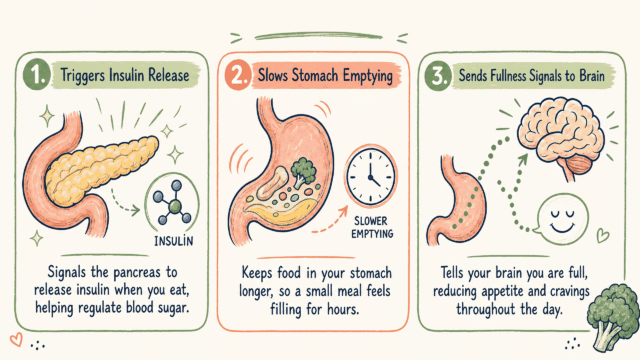
GLP-1 medications reproduce this at levels your body can’t produce naturally, which is what makes them effective for weight loss.
The most widely used ones right now are semaglutide (sold as Ozempic for diabetes management and Wegovy for weight loss) and tirzepatide, which targets both GLP-1 and a second hormone called GIP (Mounjaro for diabetes, Zepbound for weight loss). According to a 2024 KFF Health Tracking Poll, 1 in 8 US adults has now taken a GLP-1 medication.
How GLP-1 Medications Change the Way You Eat
GLP-1 medications change the way your body regulates hunger and fullness, which is why many people naturally eat less without feeling as deprived as they would on a traditional calorie-restricted diet.
Rather than relying on willpower alone, these medications work with your body’s natural appetite signals, making it easier to reduce calorie intake on average by 16–39%.
One of the biggest changes is reduced appetite. Many people find they feel satisfied after eating much smaller meals and are less likely to think about food throughout the day. This can make sticking to a calorie deficit feel more manageable than with other weight loss approaches.
GLP-1 medications also slow stomach emptying, meaning food stays in your stomach for longer. This is what makes a small meal feel filling for hours. It’s also why greasy, rich, fried foods become harder to tolerate on these medications, as they sit in your stomach longer and have more opportunity to cause nausea.
Another common effect is reduced cravings, especially for highly processed, high-calorie foods. While cravings don’t disappear completely for everyone, many people on GLP-1s report a reduced desire to eat sugary, starchy, and high-fat foods. However, this doesn’t mean you’ll crave healthy food, usually, you just won’t crave much of anything.
Because of these combined effects, portion sizes naturally become smaller and people find they can no longer finish meals they previously considered normal.
Research shows that up to 40% of weight lost during GLP-1 treatment can come from fat-free mass, including muscle. Losing muscle slows your metabolism, reduces strength, and makes long-term weight maintenance harder. This is why food quality becomes even more important. When you’re eating fewer calories overall, every meal needs to provide as much nutrition as possible.
Prioritising protein, fibre, vitamins, minerals, and healthy fats helps support muscle maintenance, energy levels, and overall health while reducing the risk of nutrient deficiencies. Rather than focusing solely on eating less, a GLP-1 diet focuses on making the food you do eat count.
Why a GLP-1 Diet Is Different from Just “Eating Healthy”
General healthy eating advice still applies when you’re taking GLP-1 medications, but the way these medications affect your appetite means your nutritional priorities change. Because you’re likely eating 30–40% less food, it’s no longer enough to simply choose healthy foods, every nutritional decision carries more weight and every meal needs to deliver as much nutrition as possible.
The goal isn’t just to eat well, a GLP-1 diet focuses on getting the maximum nutritional value from every meal to support weight loss while helping you get the most from your medication.
One of the biggest differences is that hunger is no longer a reliable guide. Many people on GLP-1 medications don’t feel hungry enough to eat regular meals, making it easy to consume too little protein, fibre, or essential vitamins and minerals. When overall food intake drops, the risk of nutritional deficiencies increases much faster than many people realise.
In fact, a 2024 joint scientific statement from the American College of Lifestyle Medicine and several partner organisations identifies inadequate nutrient intake as a key nutritional risk for people taking GLP-1 medications. The statement recommends prioritising a dietary pattern rich in vegetables, fruits, whole grains, lean protein foods, low-fat dairy or dairy alternatives, and healthy fats. That’s why a GLP-1 diet prioritises nutrient-dense foods that provide more nutrition in smaller portions.
The foods you eat can also have a significant impact on how well you tolerate the medication. Nausea, constipation, bloating, and acid reflux are among the most common side effects, especially during the first few months of treatment. Large meals, fried foods, alcohol, and spicy foods can make these symptoms worse, while smaller portions and simpler, easy-to-digest meals are often better tolerated.
Protein also becomes a much higher priority than it might be in a general healthy eating plan. During weight loss, your body can lose muscle as well as fat. Eating enough protein helps preserve lean muscle mass, supporting strength, metabolism, and long-term weight management.
In many ways, a GLP-1 diet is more intentional than simply “eating healthy.” Rather than changing what healthy eating looks like, a GLP-1 diet changes what you need to prioritise.
Build a personalized GLP-1 meal plan in minutes! Set your calorie and protein goals, generate a weekly meal plan, and automatically create your grocery list.
The Core Principles of a GLP-1 Diet
There isn’t a single “GLP-1 diet” that everyone should follow. Instead, there are a handful of evidence-based nutritional principles that help you get the most from GLP-1 medications while supporting healthy, sustainable weight loss. These recommendations are designed to help you meet your nutritional needs, preserve muscle mass, and minimise common side effects while eating less overall.

Prioritise Protein
Protein is one of the most important nutrients on a GLP-1 diet because it’s also one of the easiest to underconsume when your appetite drops. Eating enough protein helps preserve lean muscle mass during weight loss, supports recovery after exercise, and keeps you feeling fuller for longer.
Many experts recommend aiming for around 25–30 grams of protein per meal, with a daily intake of approximately 1.2 grams of protein per kilogram of body weight, although your exact needs will depend on factors such as your age, activity level, and weight loss goals.
Protein is the nutrient most at risk when appetite drops. The clinical target is 25–30 grams per meal, with a daily total of roughly 1.2 grams per kilogram of body weight — about 80 grams per day for a 150-pound person, or around 110 grams for a 200-pound person.
One practical tip that comes directly from clinical guidance is to eat your protein first at each meal, before vegetables and carbs. Because GLP-1 medications make you feel full more quickly, it’s easy to leave the protein on your plate if you start with other foods. Eating a few bites of chicken, fish, Greek yogurt, tofu, or another protein source first helps make sure you’ve covered your most important nutritional priority before fullness sets in.
Good protein sources include chicken, turkey, fish, eggs, Greek yogurt, cottage cheese, tofu, tempeh, edamame, lentils, chickpeas, and beans. On days when solid food is hard to tolerate (especially in early weeks or after a dose increase), a protein smoothie or shake can also be a convenient way to meet your daily target.
Eat Plenty of Fibre
Fibre plays an important role in a GLP-1 diet. It supports digestive health, helps keep you full between meals, and may reduce one of the most common side effects of GLP-1 medications: constipation.
The general recommended daily intake is 25 grams of fibre per day for women and 38 grams per day for men. If your current intake is low, increase it gradually rather than all at once, as a sudden increase can cause bloating and digestive discomfort.
Aim to include a variety of fibre-rich foods such as vegetables, fruit, legumes, oats, whole grains, nuts, and seeds. Berries, apples with the skin on, broccoli, Brussels sprouts, lentils, black beans, sweet potatoes, and chia seeds are all excellent choices. Chia seeds are particularly useful because just one ounce provides around 10 grams of fibre, making them an easy addition to yogurt, oatmeal, or smoothies without a lot of added volume.
Choose Nutrient-Dense Foods
Nutrient-dense foods provide high levels of protein, fibre, healthy fats, vitamins, and minerals without relying heavily on added sugars or highly processed ingredients.
Build most of your meals around whole foods such as vegetables, fruit, lean proteins, whole grains, legumes, dairy or fortified dairy alternatives, nuts, seeds, and healthy fats like olive oil or avocado.
Healthy fats are also an important part of a balanced diet because they help your body absorb vitamins A, D, E, and K. However, because large amounts of fat can worsen nausea or acid reflux in some people taking GLP-1 medications, many people find it more comfortable to include smaller portions throughout the day, such as a drizzle of olive oil on vegetables, a tablespoon of almond butter in a smoothie, a quarter of an avocado with lunch, rather than eating one high-fat meal.
Stay Hydrated
GLP-1 medications can reduce more than just your appetite, research shows they may also reduce the sensation of thirst. This means you can go through a whole day genuinely underhydrated without feeling thirsty. Combined with eating less and potential side effects such as nausea or vomiting, this can make dehydration more common than many people realise.
Aim to drink around 8–10 cups (2–2.5 litres) of water or other low-calorie drinks each day, adjusting your intake based on your activity level, climate, and individual needs. Sipping fluids consistently throughout the day is often more comfortable than drinking large amounts at once, more so if you’re already feeling full.
If nausea is making it difficult to drink enough water, options such as ginger tea or electrolyte drinks may be easier to tolerate.
Common Misconceptions About the GLP-1 Diet
As GLP-1 medications have become more popular, so have misconceptions about how you should eat while taking them. Here are some of the most common myths—and what the evidence actually says.
There Isn’t One Official GLP-1 Diet
Despite the name, there isn’t an official “GLP-1 diet” endorsed by healthcare organisations or medication manufacturers. The term refers to an eating pattern that complements GLP-1 medications by helping you meet your nutritional needs, manage side effects, and support healthy weight loss.
While individual recommendations may vary, the overall principles, prioritising protein, fibre, hydration, and nutrient-dense foods, remain largely the same.
You Don’t Need to Cut Out Carbohydrates Completely
Some people assume that taking a GLP-1 medication means following a low-carb diet, but that’s not the case. Carbohydrates are an important source of energy and can provide valuable fibre, vitamins, and minerals.
Rather than eliminating them, focus on choosing higher-quality options such as oats, brown rice, quinoa, fruit, vegetables, and legumes while limiting highly refined carbohydrates and sugary foods.
GLP-1 Medications Don’t Replace Healthy Eating
GLP-1 medications can make it easier to eat less by reducing appetite and increasing fullness, but they don’t eliminate the need for a balanced diet. The quality of the food you eat still affects your protein intake, vitamin and mineral status, digestive health, energy levels, and long-term weight management. The medication is a tool, not a replacement for good nutrition.
Eating Less Doesn’t Mean Nutrition Matters Less
A common misconception is that because you’re eating fewer calories, you don’t need to think as much about what you eat. In reality, the opposite is true. When your food intake decreases, every meal becomes more important.
Choosing nutrient-dense foods helps ensure you’re still getting enough protein, fibre, healthy fats, vitamins, and minerals despite eating smaller portions.
You Don’t Have to Be Perfect
Following a GLP-1 diet doesn’t mean every meal has to be perfectly balanced or that you can never enjoy your favourite foods. The goal is to build eating habits that are sustainable over the long term.
Occasional treats or meals that don’t fit the ideal pattern won’t undo your progress, the focus should be on consistency rather than perfection.
What to Eat on a GLP-1 Diet
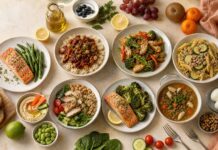
Once you understand the principles of a GLP-1 diet, choosing the right foods becomes much simpler. The goal is to build meals around nutrient-dense, minimally processed foods that provide plenty of protein, fibre, healthy fats, and essential vitamins and minerals. While everyone’s preferences and tolerances differ, the following foods are a great place to start.
- Lean proteins: Chicken breast, turkey, fish, shrimp, eggs, Greek yogurt, cottage cheese, tofu, tempeh, edamame, lentils, chickpeas, and beans.
- Fibre-rich fruit and vegetables: Spinach, broccoli, kale, Brussels sprouts, carrots, sweet potatoes, berries, apples, pears, and other colourful produce.
- Whole grains: Oats, quinoa, brown rice, barley, and whole-grain bread or wraps in appropriate portions.
- Healthy fats: Avocado, olive oil, nuts, seeds, and oily fish such as salmon.
During the first few weeks of treatment (or after increasing your dose) you may find softer, easy-to-digest foods more comfortable than larger, heavier meals. Options such as Greek yogurt, cottage cheese, scrambled eggs, overnight oats, protein smoothies, or natural applesauce can be easier to tolerate while still providing valuable nutrition.
For a more detailed breakdown of the best foods to eat, including serving sizes and protein content, see our What to Eat on a GLP-1 Diet guide.
Foods That Naturally Stimulate GLP-1
One question that often comes up is whether certain foods can naturally increase GLP-1 levels. The answer is yes! But only to a limited extent.
Your body naturally produces GLP-1 after you eat, and some foods appear to stimulate a greater release of this hormone than others. However, it’s important to understand that these natural increases are much smaller and shorter-lasting than the effects of GLP-1 medications. While diet can support your body’s natural GLP-1 response, it can’t replicate the effects of these medications.
Research suggests the following foods may help stimulate your body’s natural GLP-1 production:
- Protein-rich foods, including eggs, chicken, fish, Greek yogurt, tofu, and legumes.
- Fibre-rich foods, particularly oats, barley, beans, lentils, fruit, and vegetables.
- Healthy fats, such as olive oil, avocado, nuts, and seeds.
- Fermented foods, including yogurt and kefir, which may support a healthy gut microbiome that plays a role in GLP-1 production, although research in this area is still emerging.
Perhaps the most interesting takeaway is that these are the same foods already recommended as part of a balanced GLP-1 diet. Whether you’re taking a GLP-1 medication or simply trying to support your body’s natural GLP-1 production, the nutritional advice remains largely the same: prioritise protein, fibre, healthy fats, and minimally processed whole foods.
What to Avoid on a GLP-1 Diet
No foods are completely off-limits on a GLP-1 diet, but some are more likely to worsen side effects or make it harder to meet your nutritional goals.
Many people find that fried or greasy foods are harder to tolerate because GLP-1 medications slow stomach emptying, which can increase feelings of nausea or fullness. Ultra-processed foods and sugary drinks are also worth limiting, as they provide plenty of calories but relatively little protein, fibre, or other essential nutrients.
Some people may also notice that alcohol or spicy foods make symptoms such as nausea, heartburn, or acid reflux worse, although tolerance varies from person to person. While there is no known dangerous interaction between alcohol and GLP-1 medications, studies have found that many people naturally reduce their alcohol intake after starting treatment without intending to because the medication seems to lower the desire for it.
What a GLP-1 Diet Looks Like Day-to-Day
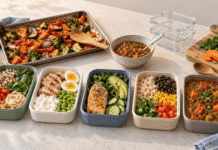
A GLP-1 diet doesn’t have to be complicated. Rather than eating two or three large meals, many people find it more comfortable to eat five or six smaller, balanced meals and snacks spread throughout the day. This approach helps make protein and other key nutrients easier to consume while reducing the likelihood of nausea, bloating, or feeling overly full.
For example, a typical day might look like this:
- Breakfast: Greek yogurt with blueberries and chia seeds
- Mid-morning snack: Two boiled eggs with an apple
- Lunch: Grilled salmon with spinach and quinoa
- Afternoon snack: Cottage cheese with cucumber
- Dinner: Chicken breast with roasted broccoli and sweet potato
That structure hits roughly 100 grams of protein and 30+ grams of fiber, keeps each meal small enough to be comfortable, and doesn’t require anything unusual.
The exact foods you choose are less important than following the overall pattern. Aim to build each meal around protein, include plenty of fibre-rich plant foods, and keep portions small enough that they’re comfortable to eat. This makes it easier to meet your nutritional needs without feeling overly full.
Common Mistakes People Make on a GLP-1 Diet

GLP-1 medications make eating less feel easier, but they can also create new challenges that many people don’t expect. Avoiding these common mistakes can help you get the best results from your medication while reducing the risk of side effects and nutritional deficiencies.
Not Eating Enough Protein
Reduced appetite often means protein intake drops without you realising it. Since protein plays a key role in preserving lean muscle mass during weight loss, consistently eating too little can lead to muscle loss as well as fat loss.
Make protein the foundation of each meal and consider a protein shake if you’re struggling to meet your daily target through food alone.
Skipping Meals Because You’re Not Hungry
It’s common to forget to eat when you’re taking GLP-1 medications, especially during the first few weeks of treatment. However, regularly skipping meals can make it difficult to get enough protein, fibre, vitamins, and minerals.
Instead of waiting until you feel hungry, try planning small, balanced meals or snacks at regular intervals throughout the day.
Not Drinking Enough Water
GLP-1 medications can reduce your thirst as well as your appetite, making dehydration easier than you might expect. Drinking too little fluid can also contribute to constipation, headaches, and fatigue.
Keep a water bottle nearby and sip fluids consistently throughout the day rather than relying on thirst as your reminder to drink.
Eating Large Meals
Because GLP-1 medications slow stomach emptying, large meals often cause more discomfort than smaller ones. Overeating can increase feelings of nausea, bloating, acid reflux, and fullness.
Eating smaller, balanced meals more frequently is usually a more comfortable approach and makes it easier to meet your nutritional needs over the course of the day.
Ignoring Side Effects
Mild side effects such as nausea, constipation, bloating, or heartburn are common when starting GLP-1 medications or increasing your dose, but they shouldn’t simply be ignored. Often, small adjustments, such as eating smaller meals, choosing easy-to-digest foods, staying hydrated, or reducing greasy or spicy foods, can make a noticeable difference.
If side effects become severe, persistent, or make it difficult to eat or drink, it’s important to speak with your healthcare provider rather than trying to push through them.
Tools That Make Eating on a GLP-1 Diet Easier
Meeting your protein target while eating fewer calories, planning several small meals each day, and keeping the right foods on hand can be challenging, especially when your appetite changes from one day to the next.
Fortunately, a few simple tools can make following a GLP-1 diet much easier.
A meal planning apps
One of the biggest challenges on a GLP-1 diet is eating enough protein within a reduced calorie budget. A meal planning app that lets you set calorie and protein targets removes much of the daily guesswork by creating balanced meals that fit your goals.
Eat This Much is designed to do exactly that. Simply enter your calorie and protein targets (or use our Calorie Calculator to help) choose five meals per day (matching the eating pattern most dietitians recommend on GLP-1 medications), and it automatically generates a personalized meal plan along with a grocery list. This is extremely helpful on days when you don’t have much of an appetite or don’t feel like planning meals yourself.
Build a personalized GLP-1 meal plan in minutes! Set your calorie and protein goals, generate a weekly meal plan, and automatically create your grocery list.
Food Tracking Apps
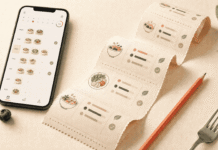
Tracking your food intake for the first few weeks can help you understand whether you’re consistently meeting your protein, fibre, and calorie goals. Many people are surprised to discover they’re eating far less protein than they thought once their appetite decreases.
Even short-term tracking can help identify nutritional gaps before they become a problem.
Work with a Registered Dietitian
If you’re struggling to manage side effects, meet your nutritional needs, or adapt your diet to your health conditions, working with a registered dietitian can be invaluable. The 2024 joint scientific statement on nutrition and GLP-1 medications recommends involving a registered dietitian where appropriate, especially for people at risk of inadequate nutrient intake or muscle loss.
A dietitian can provide personalized advice that goes beyond the general guidance covered in this article.
Getting Started with a GLP-1 Diet
Starting a GLP-1 diet doesn’t have to be complicated and overhaul your eating habits overnight. Rather than trying to change everything at once, focus on building a few sustainable habits that you can maintain over the long term.
Start by making protein the priority at each meal, include plenty of fibre-rich foods, choose mostly nutrient-dense ingredients, and eat smaller portions that feel comfortable. If side effects make eating difficult, adjust your food choices and meal timing rather than skipping meals altogether.
Remember that there’s no single “perfect” GLP-1 diet. The best approach is one that helps you consistently meet your nutritional needs while fitting your lifestyle and preferences. Over time, these small habits can make a significant difference to both your weight loss results and your overall health.
Frequently Asked Questions
Do you have to follow a specific diet while taking GLP-1 medications?
No. There isn’t a formal diet that you’re required to follow, but what you eat has a real impact on both your results and your side effects. Eating a balanced diet that prioritises protein, fibre, nutrient-dense foods, and adequate hydration can help you meet your nutritional needs, manage side effects, and support healthy, sustainable weight loss while taking GLP-1 medications.
How much protein do you need on a GLP-1 diet?
Aim for around 25–30 grams of protein per meal, with a daily total of about 1.2 grams per kilogram of body weight. For a 150-pound person, that’s roughly 80 grams per day. Spread across five small meals, that’s around 16 grams per meal, which you can hit with a serving of Greek yogurt, a couple of eggs, or a portion of chicken. If you’re unsure how much protein you need, speak with a registered dietitian or healthcare professional.
Can you eat carbohydrates on a GLP-1 diet?
Yes. Carbohydrates don’t need to be eliminated. Whole grains, fruit, vegetables, legumes, and other high-fibre carbohydrate sources can all be part of a healthy GLP-1 diet. The focus should be on choosing nutrient-dense carbohydrates and limiting highly processed or sugary options where possible.
Can you drink alcohol on a GLP-1?
There are no known dangerous interactions between GLP-1 medications and alcohol. However, alcohol can worsen nausea and acid reflux, two things GLP-1s already tend to cause. Many people on these medications find they naturally drink less without trying to. If you do drink, small amounts with food are easier to tolerate than drinking on an empty stomach.
Is a GLP-1 diet the same as Mediterranean or keto?
It overlaps with both but isn’t identical to either. It shares the emphasis on lean proteins, vegetables, whole grains, and healthy fats just like the Mediterranean diet, and it’s not intentionally low-carb like keto, though refined carbs are limited. The main difference is the focus on small, frequent meals and soft foods, neither of which is part of Mediterranean or keto diet guidelines.
Is a GLP-1 diet only for weight loss?
Not necessarily. While many people follow a GLP-1 diet to support weight loss, the same nutritional principles can also help people taking GLP-1 medications for type 2 diabetes or other medical reasons. The goal is to support overall health, preserve muscle mass, reduce side effects, and ensure you’re getting adequate nutrition.
Can you naturally increase GLP-1 through food?
Certain foods, including protein-rich foods, fibre-rich foods, healthy fats, and some fermented foods, can stimulate your body’s natural GLP-1 production. However, these effects are much smaller and shorter-lasting than those of GLP-1 medications and shouldn’t be considered a replacement for treatment.