


So, you started taking a GLP-1 medication and thought you had your meals all figured out. But a few weeks in, you’re eating the same things on repeat, planning meals is taking more time than expected, and deciding what to eat every day is starting to feel like a chore.
Knowing which foods to eat is only part of the challenge. You also need to turn those foods into meals that work with a smaller appetite while still giving you enough protein, fibre and other nutrients.
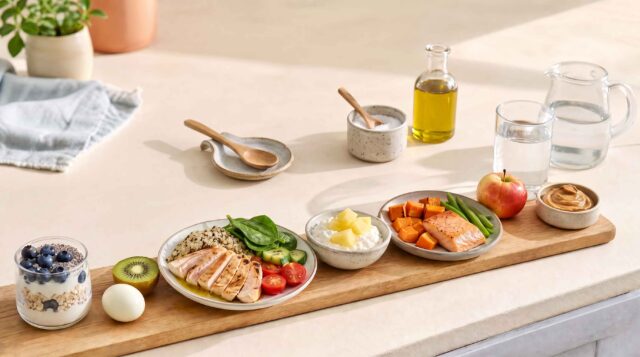
We’ve put together a 7-day GLP-1 diet plan with a full week of meals, including portion sizes and estimated calories, protein and fibre. It uses the same types of foods that work well on a GLP-1 diet, but puts them into an actual day-by-day menu you can follow.
What Is a GLP-1 Meal Plan?
A GLP-1 meal plan is simply a way of organising your meals around the changes in appetite and digestion that can come with taking a GLP-1 medication. Instead of relying on hunger to decide when and what to eat, you have a rough structure in place for the day, with smaller meals that still include enough protein, fibre and other nutrients.
There isn’t one set GLP-1 meal plan that everyone needs to follow. Your calorie needs, appetite, food preferences and medication can all affect what works best for you. The main idea is to make meals easier to manage and nutritionally worthwhile, rather than just eating less because you feel less hungry.
Those principles are part of the broader approach to eating on a GLP-1 diet, but here we’re focusing on what that looks like when you actually plan out a full week of meals.
What a GLP-1 Diet Plan Needs to Include
A useful GLP-1 diet plan needs to do more than keep calories low. Once your portions get smaller, it becomes more important to make each meal count. You don’t need to overcomplicate it, but there are a few things worth keeping an eye on when you’re putting your meals together.
- Protein throughout the day: A practical aim is to include around 20–30g of protein at your main meals, rather than saving most of it for dinner. Spreading it across the day makes your overall protein needs much easier to meet without relying on one large meal.
- Fibre from a mix of foods: A useful general benchmark is around 25–40g of fibre a day for adults. There isn’t a separate fibre recommendation for people taking GLP-1 medication, so the usual guidance still applies. When your portions are smaller, it helps to include fibre-rich foods across several meals rather than trying to get most of it in at dinner.
- Enough calories for your needs: There’s no single calorie target that works for everyone taking a GLP-1 medication. How much you need will depend on things like your body size, activity level and goals, so the sample plan below should be adjusted rather than treated as a fixed calorie prescription.
- Enough fluids: Around 6–8 glasses of fluid a day is a useful starting point for many people, although you may need more if you’re active or it’s hot. Drinking regularly throughout the day is usually easier than trying to make up for it later.
The 7-day plan below follows the same approach, with smaller meals that still give you a good balance of protein, fibre and other nutrients.
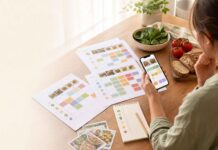
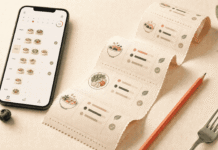
Need help deciding what to eat? Build a personalized GLP-1 meal plan in minutes! Set the number of meals, your calorie and protein goals, generate a weekly meal plan and create your grocery list automatically.
Simple 7-Day GLP-1 Meal Plan
This 7-day sample plan provides roughly 1,500 calories a day, with at least 100g of protein and 25g of fibre. Each day is split into three meals and three smaller snacks, so you can spread your food across the day rather than relying on three larger meals.
We’ve also reused dinners for lunch the following day wherever possible. That means less cooking, fewer ingredients to buy and a meal prep plan that actually matches what you’ll be eating.
The portions below are based on cooked weights for meat, fish, grains, pasta, beans and lentils unless stated otherwise. The calculations use plain nonfat Greek yogurt, 2% cottage cheese and 1% milk, and don’t include cooking oil or butter unless it’s specifically listed.
Day 1
| Meal | Food and portion | Calories | Protein | Fibre |
|---|---|---|---|---|
| Breakfast | 170g Greek yogurt, 30g rolled oats, 100g blueberries and 10g chia seeds | 320 | 24g | 9g |
| Morning snack | 1 hard-boiled egg and 1 medium kiwi | 114 | 7g | 2g |
| Lunch | 90g grilled chicken breast, 100g quinoa, 80g cucumber, 100g tomato, 30g spinach and 1 tsp olive oil | 345 | 35g | 5g |
| Afternoon snack | 120g cottage cheese with 100g pineapple | 148 | 14g | 1g |
| Dinner | 100g baked salmon, 150g sweet potato and 150g green beans | 394 | 28g | 10g |
| Evening snack | 1 small apple (about 150g) with 15g peanut butter | 166 | 4g | 5g |
| Daily total | 1,487 | 111g | 32g |
To bring the day closer to 1,700–1,800 calories, increase the quinoa at lunch from 100g to 150g, add another 15g of peanut butter to your evening snack and have a 40g slice of wholegrain toast with breakfast. That adds roughly 250 calories.
Day 2
| Meal | Food and portion | Calories | Protein | Fibre |
|---|---|---|---|---|
| Breakfast | Omelette made with 2 eggs, 80g egg whites, 30g spinach, 50g tomato and 20g feta, with 1 slice (40g) wholegrain toast | 353 | 31g | 4g |
| Morning snack | 150g Greek yogurt with 80g blueberries | 134 | 16g | 2g |
| Lunch | Leftover 100g salmon, 150g sweet potato and 150g green beans from Day 1 | 394 | 28g | 10g |
| Afternoon snack | 40g hummus with 100g carrot and 100g cucumber | 122 | 5g | 6g |
| Dinner | Turkey and bean chilli made with 70g lean turkey mince, 80g kidney beans, 100g passata and 80g bell pepper, served with 50g brown rice | 360 | 30g | 9g |
| Evening snack | 100g cottage cheese with 100g grapes | 151 | 12g | 1g |
| Daily total | 1,514 | 121g | 31g |
For a higher-calorie version, add 20g of walnuts to your morning yogurt and increase the brown rice at dinner from 50g to 120g cooked. That adds around 215 calories, bringing the day to roughly 1,730.
Day 3
| Meal | Food and portion | Calories | Protein | Fibre |
|---|---|---|---|---|
| Breakfast | Overnight oats made with 40g oats, 150g Greek yogurt, 100ml 1% milk, 10g chia seeds and 80g blueberries | 376 | 26g | 9g |
| Morning snack | 1 hard-boiled egg and 1 clementine | 107 | 7g | 1g |
| Lunch | Leftover turkey and bean chilli with brown rice from Day 2 | 360 | 30g | 9g |
| Afternoon snack | 100g edamame | 121 | 12g | 5g |
| Dinner | Chicken stir-fry made with 90g chicken breast, 125g brown rice, 100g broccoli, 100g bell pepper and 1 tsp olive oil | 408 | 35g | 7g |
| Evening snack | 1 mozzarella string cheese (28g) and 1 medium kiwi | 127 | 7g | 2g |
| Daily total | 1,499 | 117g | 33g |
To increase this day to around 1,700 calories, stir another 15g of peanut butter and 10g of walnuts into your overnight oats and increase the brown rice at dinner from 125g to 175g. Together, those changes add around 215 calories.
Day 4
| Meal | Food and portion | Calories | Protein | Fibre |
|---|---|---|---|---|
| Breakfast | Smoothie made with 170g Greek yogurt, 150ml 1% milk, 80g banana, 80g blueberries, 30g spinach and 20g oats | 363 | 27g | 7g |
| Morning snack | 100g cottage cheese with 100g sliced peach | 121 | 12g | 2g |
| Lunch | Leftover chicken stir-fry with brown rice from Day 3 | 408 | 35g | 7g |
| Afternoon snack | 40g hummus with 100g carrot and 100g cucumber | 122 | 5g | 6g |
| Dinner | 80g lean turkey mince with 100g wholewheat pasta, 150g zucchini, 100g passata and 10g Parmesan | 410 | 35g | 7g |
| Evening snack | 1 medium pear (about 170g) | 97 | 1g | 5g |
| Daily total | 1,521 | 114g | 33g |
If you need closer to 1,800 calories, add another 20g of oats to the breakfast smoothie, 15g of walnuts to your morning snack and a 40g slice of wholegrain toast with dinner. That adds around 270 calories.
Day 5
| Meal | Food and portion | Calories | Protein | Fibre |
|---|---|---|---|---|
| Breakfast | 150g cottage cheese with 100g sliced peach, 15g walnuts and 1 slice (40g) wholegrain toast | 359 | 25g | 5g |
| Morning snack | 1 hard-boiled egg with 100g blueberries | 129 | 7g | 2g |
| Lunch | Leftover turkey, wholewheat pasta and zucchini from Day 4 | 410 | 35g | 7g |
| Afternoon snack | 150g Greek yogurt with 10g chia seeds | 137 | 17g | 3g |
| Dinner | Chicken and chickpea quinoa bowl with 80g chicken breast, 60g chickpeas, 80g quinoa, 80g cucumber, 100g tomato, 30g spinach and 30g avocado | 411 | 37g | 11g |
| Evening snack | 1 small apple (about 150g) | 78 | <1g | 4g |
| Daily total | 1,524 | 121g | 33g |
To add around 225 calories, increase the walnuts at breakfast from 15g to 25g, increase the wholewheat pasta at lunch from 100g to 150g and have your evening apple with 15g of peanut butter. That brings the day to roughly 1,750 calories.
Day 6
| Meal | Food and portion | Calories | Protein | Fibre |
|---|---|---|---|---|
| Breakfast | Omelette made with 2 eggs, 80g egg whites, 30g spinach, 50g tomato and 20g feta, with 1 slice (40g) wholegrain toast | 353 | 31g | 4g |
| Morning snack | 1 medium kiwi with 15g walnuts | 140 | 3g | 3g |
| Lunch | Leftover chicken and chickpea quinoa bowl from Day 5 | 411 | 37g | 11g |
| Afternoon snack | 80g edamame | 97 | 10g | 4g |
| Dinner | 90g baked salmon, 100g quinoa and 150g broccoli with 1 tsp olive oil | 398 | 28g | 8g |
| Evening snack | 100g cottage cheese with 1 medium kiwi | 124 | 12g | 2g |
| Daily total | 1,523 | 120g | 32g |
To make this closer to a 1,750-calorie day, have another 40g slice of wholegrain toast at breakfast, increase the walnuts in your morning snack from 15g to 25g and increase the quinoa at dinner from 100g to 150g. Those changes add around 225 calories.
Day 7
| Meal | Food and portion | Calories | Protein | Fibre |
|---|---|---|---|---|
| Breakfast | 170g Greek yogurt with 30g oats, 80g banana and 15g peanut butter | 373 | 26g | 6g |
| Morning snack | 1 hard-boiled egg and 1 clementine | 107 | 7g | 1g |
| Lunch | Leftover 90g salmon, 100g quinoa and 150g broccoli with 1 tsp olive oil from Day 6 | 398 | 28g | 8g |
| Afternoon snack | 40g hummus with 100g carrot and 100g cucumber | 122 | 5g | 6g |
| Dinner | Chicken and lentil soup made with 100g lentils, 60g chicken breast, 100g passata, 50g carrot, 50g spinach and 250ml low-sodium chicken stock, with 1 slice (40g) wholegrain toast | 391 | 37g | 15g |
| Evening snack | 150g Greek yogurt with 100g strawberries | 121 | 16g | 2g |
| Daily total | 1,512 | 119g | 37g |
For a little more food on Day 7, add another 15g of peanut butter at breakfast, increase the quinoa at lunch from 100g to 150g and have another 40g slice of wholegrain toast with dinner. That adds around 250 calories and takes the day to roughly 1,760.
The calorie, protein and fibre figures are estimates and will vary slightly depending on the brands you buy and how individual ingredients are prepared.
How to Adjust the Plan to Your Calorie and Protein Needs
The 1,500-calorie plan above is only one version of the week, and you can adjust it without changing the meals themselves.
The easiest way is to change the portions. To bring a day closer to 1,700–1,800 calories, add a little more rice, quinoa or pasta to lunch or dinner, increase a serving of nuts or nut butter, add another slice of wholegrain toast, or include an extra serving of yogurt or cottage cheese.
If you need fewer calories, work the other way and reduce some of the higher-calorie extras, such as grains, nuts, nut butter or added oils, rather than cutting out the protein source from the meal.
Protein is worth keeping an eye on as you make changes. The plan already provides at least 100g a day, so try to keep the main protein portions fairly consistent and make most calorie adjustments elsewhere. If you’re not sure how many calories you need, our calorie calculator can give you an estimate based on your details and goals.
Meal Prepping for a GLP-1 Diet
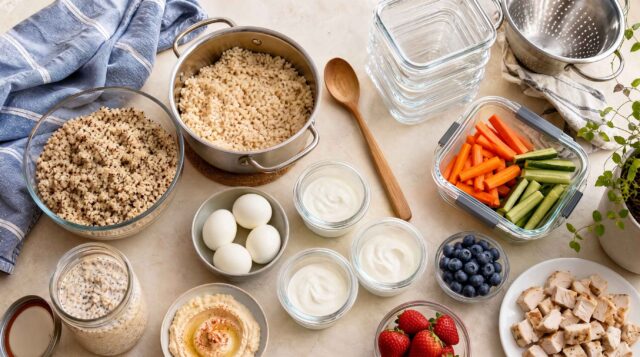
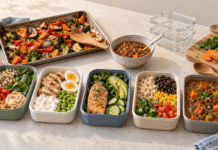
You don’t need to prepare all 42 meals and snacks at the start of the week. A better approach is to get the ingredients that keep well ready in advance, then do a shorter second prep session around the middle of the week.
What to Prep at the Start of the Week
This should cover most of Days 1–3:
- Cook the chicken for Day 1 lunch.
- Make a double batch of the turkey and bean chilli. One portion is for Day 2 dinner and the other is for Day 3 lunch.
- Cook enough quinoa for Day 1 lunch, plus any extra you want ready for later in the week.
- Cook enough brown rice for the Day 2 chilli and Day 3 stir-fry.
- Hard-boil four eggs for the snacks on Days 1, 3, 5 and 7.
- Wash and chop the carrots and cucumber used with hummus on Days 2, 4 and 7.
- Portion out yogurt, cottage cheese and fruit if you prefer having snacks ready to grab.
- Prepare the overnight oats for Day 3 the night before.
- Cook two portions of salmon on Day 1. One is for dinner and the second is for Day 2 lunch.
Midweek Prep
Around Day 3 or Day 4, prepare the meals that carry you through the rest of the week.
- Make a double batch of the Day 3 chicken stir-fry. One portion is for dinner and the other becomes Day 4 lunch.
- Make two portions of the turkey and wholewheat pasta on Day 4. The second portion is for Day 5 lunch.
- Make two portions of the chicken and chickpea quinoa bowl on Day 5. The second portion is for Day 6 lunch.
- Cook two portions of salmon on Day 6. One is for dinner and the other is for Day 7 lunch.
- Top up cooked quinoa, chopped vegetables and snack portions as needed for the final few days.
The meals that are quickest to make, like omelettes, smoothies, yogurt bowls and cottage cheese snacks, are better prepared when you need them rather than sitting in the fridge for several days.
Grocery List for the 7-Day GLP-1 Meal Plan
The quantities below cover the base 1,500-calorie meal plan for one person. We’ve rounded some amounts up to make them easier to shop for, and you may need a little more if you’re using the higher-calorie variations.
Protein and Dairy
- Around 650g raw chicken breast
- Around 450g raw salmon
- Around 375g lean turkey mince
- 8 eggs
- 160g liquid egg whites
- Around 1.2kg plain Greek yogurt
- Around 600g cottage cheese
- 40g feta
- 1 mozzarella string cheese
- 20g Parmesan
- 250ml milk
Grains, Beans and Other Carbohydrates
- Around 120g rolled oats
- Around 160g dry quinoa
- Around 120g dry brown rice
- Around 100g dry wholewheat pasta
- 1 loaf wholegrain bread
- 1 can kidney beans
- 1 can chickpeas
- 1 can lentils, or enough cooked lentils for a 100g serving
- Around 300g sweet potato
Fruit
- Around 450g blueberries
- 100g strawberries
- 2 small apples
- 4 kiwis
- 2 clementines
- 2 small bananas
- 2 peaches
- 1 pear
- 100g grapes
- 100g pineapple
Vegetables
- Around 550g cucumber
- Around 400g tomatoes
- 250g spinach
- Around 350g carrots
- Around 360g bell peppers
- Around 500g broccoli
- Around 300g zucchini
- Around 300g green beans
- 1 small avocado
Pantry and Extras
- 120g hummus
- 30g chia seeds
- 30g walnuts
- 30g peanut butter
- 500g passata
- 250ml low-sodium chicken stock
- Olive oil
- Any herbs, spices and seasonings you normally use for the chilli, stir-fry, salmon and chicken
You don’t need to measure everything out as soon as you get home. The quantities are there to make sure you have enough for the week, while the meal plan itself shows how much to use at each meal.
Adjusting the Plan on Low-Appetite Days
Some days, especially after starting a new dose or moving up to a higher one, the portions in the plan may feel like too much. You don’t need to force yourself through a full meal just because it’s written down.
| Planned meal | Lower-appetite option |
| Chicken, quinoa and vegetables | A smaller portion of chicken with a little rice or mashed sweet potato and soft-cooked vegetables |
| Omelette with wholegrain toast | Soft scrambled eggs with half a slice of toast |
| Greek yogurt, oats, berries and chia | Plain Greek yogurt with a small amount of banana or berries |
| Chicken stir-fry with brown rice | Shredded chicken with a small serving of plain rice and well-cooked vegetables |
| Cottage cheese with fruit | A smaller serving of cottage cheese with soft fruit such as peach or banana |
| Salmon, quinoa and broccoli | A smaller portion of salmon with mashed sweet potato and soft-cooked vegetables |
| Full lunch or dinner when solid food feels difficult | A protein smoothie, yogurt-based smoothie or light soup with an easy-to-eat protein source |
On those days, keep the same basic structure but make the food easier to manage. Smaller portions, softer foods and protein-rich drinks can be more realistic when your appetite is low.The goal is to keep some protein and nutrition coming in without turning eating into a battle.
If you’re having several low-appetite days in a row, it can help to lean more heavily on the kinds of foods that are easier to eat on a GLP-1 diet until your appetite picks back up.
Vegetarian and Other Dietary Swaps
You don’t need a completely different meal plan if you’re vegetarian, vegan or dairy-free. Most of the meals above can be adapted by swapping the main protein source and keeping the rest of the meal much the same.
For vegetarian meals, tofu, tempeh, eggs, Greek yogurt, cottage cheese, beans, lentils and edamame all work well. Just keep in mind that the protein content can vary quite a bit, so it’s better to swap based on the amount of protein in the meal rather than replacing foods gram for gram.
A few easy swaps include:
- chicken or turkey with tofu, tempeh or seitan
- turkey chilli with a lentil and bean chilli
- salmon with tofu or tempeh alongside the same grains and vegetables
- Greek yogurt with a high-protein soy yogurt
- cottage cheese with soy yogurt or another higher-protein dairy-free alternative
- milk with soy milk rather than lower-protein plant milks if you want to keep the protein content closer to the original meal
For vegan meals, you may need to combine a couple of protein sources, such as tofu with edamame or lentils with beans, to keep the meal closer to the protein levels in the original plan.
The same applies to other dietary changes. Keep the overall structure of the meal and swap the ingredient that doesn’t work for you rather than rebuilding the whole day.
Turn our Sample Menu Into Your Own GLP-1 Meal Plan
The 7-day plan above gives you a structure to work from, but you probably won’t want to eat the exact same meals every week. Your calorie needs, food preferences and appetite can also change over time, so it helps to have a way to adjust the plan without starting from scratch.
With Eat This Much, you can build a meal plan around your own calorie and macro targets, choose how many meals you want each day and exclude foods you don’t like or can’t eat. It can also generate a grocery list from the plan, so you’re not having to work out what to buy separately.
You can keep the same basic approach as the sample menu and simply change the meals around it. That means keeping protein spread across the day, including fibre-rich foods regularly and choosing portions that fit your own targets, while giving yourself more variety from week to week.
Frequently Asked Questions
What is a typical GLP-1 meal plan?
A typical GLP-1 meal plan is built around smaller meals that include a good source of protein, along with fruit, vegetables, whole grains and other fibre-rich foods. The exact meals and portions will depend on your calorie needs and appetite, but the aim is to get enough nutrition without relying on large meals that may be difficult to finish.
How many meals a day should you eat on GLP-1 medication?
There isn’t a set number that everyone needs to follow. Some people are comfortable with three smaller meals, while others find three meals plus two or three snacks easier when their appetite is low. Current guidance generally supports regular, smaller meals and avoiding very large portions, particularly if you’re dealing with early fullness or nausea.
How many calories should a GLP-1 meal plan have?
There isn’t one calorie level that works for everyone taking a GLP-1 medication. The sample plan above provides around 1,500 calories a day, with options to bring it closer to 1,700–1,800, but your own intake may need to be higher or lower. If you’re unsure where to start, our calorie calculator can give you an estimate based on your details and goals.
How much protein should you eat on a GLP-1 meal plan?
There isn’t one protein number that suits everyone either. What matters is getting enough overall and spreading it across the day rather than relying on one large serving. Protein is particularly important when overall food intake falls, and current GLP-1 nutrition guidance recommends making it a priority alongside strength training to help preserve muscle.
Can I use the same meal plan with Ozempic, Wegovy, Mounjaro or Zepbound?
The same general meal-planning approach can work with these medications, with smaller portions, enough protein and fibre, and meals adjusted around your appetite and any side effects. That doesn’t mean everyone will tolerate the same foods or portions, so the plan may need changing depending on how you respond to your medication.
Can I repeat the same GLP-1 meals every week?
Yes. There’s nothing wrong with repeating meals that work well for you, and it can make shopping and meal prep much easier. You can still rotate different protein sources, vegetables, fruits and grains from week to week to keep some variety in your diet.