


It’s Tuesday evening, you’re hungry, and the last thing you feel like doing is figuring out what to cook. You could throw something together, but ordering takeout sounds a lot easier.
This is where meal prep can make a difference. When food is already planned, portioned, or partly prepared, you have one less decision to make at the end of a long day. And when you’re trying to lose weight, making those everyday decisions easier can help you stay consistent.
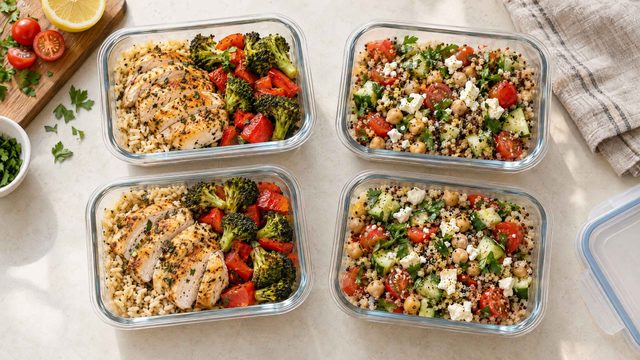
Having your meals prepared for the week can make it easier to work toward your weight loss goals without eating chicken and broccoli every day or cutting out your favorite foods. It’s about having satisfying meals ready when you need them, in portions that work for your goals.
Why Meal Prep Can Help with Weight Loss
Meal prepping isn’t a weight-loss method on its own. There’s no special combination of foods that burns fat simply because you prepared it in a batch on Sunday.
Weight loss generally happens when you consistently consume fewer calories than your body uses. Meal prep can make that easier by giving you more control over ingredients, portions, and the meals available when you’re busy.
There’s also a lot of research to support the benefits of planning ahead. For example, a study involving more than 40,000 adults found that people who planned their meals tended to have better dietary quality, more food variety, and lower odds of being overweight or obese.
That doesn’t mean you need to prepare every meal or follow a rigid schedule. Having lunch ready for three workdays or a couple of dinners in the freezer can already make a busy week easier.
The goal is to create a routine you can maintain, not another set of rules to follow perfectly.
Want meals ready for the week without having to figure out all the portions and shopping? Find all these recipes with serving sizes and macros in our app, and let it automatically build your weekly meal plan and grocery list, ready to send to Instacart, Walmart, Amazon Fresh, and more…
How to Prepare Balanced Meals for Weight Loss
Before choosing recipes, it helps to know what makes a meal both satisfying and suitable for your calorie needs.
Most balanced meal prep ideas often follow a straightforward formula: a protein source, vegetables or fruit, a source of carbohydrates, and some healthy fat.
You can change the ingredients, seasonings, and portions without having to rethink the entire meal.
Include Protein and Fiber-Rich Foods
Protein and fiber can make meals more satisfying, help you feel fuller, and make you less hungry between meals, which is very useful when you’re eating in a calorie deficit.
Chicken, fish, eggs, tofu, Greek yogurt, beans, and lentils are all practical protein sources for meal prep. Many of them also work in several different kinds of dishes, hot or cold.
For fiber, look to vegetables, fruit, whole grains, and legumes. You don’t have to rely only on salads, either. Roasted vegetables, lentil sauces, bean-based bowls, and oats can all contribute to your daily intake.
Read our guide on easy ways to get more fiber to find a few more ways to include these foods in everyday meals.
Don’t Forget Carbohydrates and Healthy Fats
Rice, potatoes, pasta, oats, and bread can all fit into a weight-loss meal plan. There’s no need to avoid them simply because you’re trying to lose weight.
Carbs give you energy, while foods such as olive oil, avocado, nuts, and seeds contribute healthy fats and flavor. What’s important is choosing portions that fit into your needs and goals.
A useful starting point for many lunches and dinners is to fill roughly half your plate with vegetables, one-quarter with a protein source, and one-quarter with grains or other starchy food, then add some healthy fat. It’s a flexible visual guide, not a rule that every meal needs to follow exactly.
If you prefer measuring, you can portion ingredients using cups or a kitchen scale. If not, begin with reasonable servings and adjust based on your appetite and nutritional needs.
Choose a Calorie Target That Fits You
Four people can eat the same healthy meal and need very different portions. Age, body size, activity level, and other individual factors influence calorie requirements. That’s why a generic 1,500-calorie meal plan isn’t automatically the right choice for everyone.
You can use our calorie calculator to estimate your daily needs and get a starting target for weight loss. The estimate can then guide how much food you prepare and how you divide it across meals.
There’s no need to aim for the fastest possible result by not eating enough calories. A gradual approach to weight loss is recommended, along with healthy eating habits, physical activity, enough sleep, and stress management.
25 Easy Meal Prep Ideas for Weight Loss
These easy meal prep ideas use everyday ingredients and don’t take much effort to make. Some meals can be prepared ahead of time, while others are best put together just before eating.
You can adjust the portions to fit your needs. Keep in mind that calories and nutrients will vary depending on the ingredients and amounts you use.
Breakfast Meal Prep Ideas
Breakfast is an easy place to start because there are a lot of options that require little cooking. Preparing a few portions at once means you can have something ready even on mornings when you’re short on time.
Egg Cups
Approximately per serving: 95 calories · 15 g protein · 7 g carbs · 1 g fat
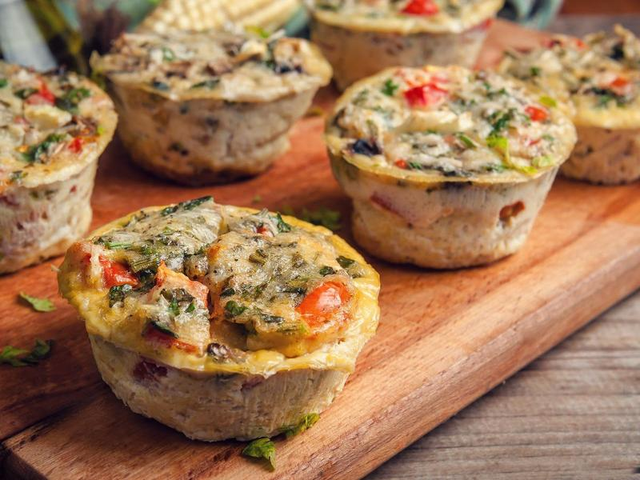
These baked egg cups combine spinach, bell peppers, and onion into a convenient breakfast you can grab on your way out the door. Make several servings in a muffin tin, then refrigerate or freeze individual portions.
They’re incredibly useful for busy mornings when you don’t have time to cook eggs. Add whole-grain toast, fruit, or another side if you need a more substantial breakfast.
Banana Protein Pancakes
Approximately per serving: 179 calories · 22 g protein · 17 g carbs · 3 g fat
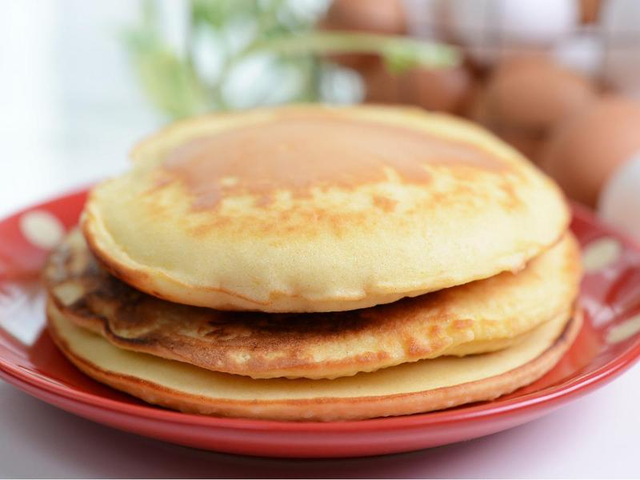
Made with banana, eggs, and protein powder, our protein filled banana pancakes are a good alternative to preparing a fresh breakfast every morning.
Cook a larger batch, allow the pancakes to cool, and freeze them in individual portions with parchment paper between layers. Reheat in a toaster, microwave, or skillet, and add berries or yogurt before serving.
Pineapple Chia Seed Pudding
Approximately per serving: 434 calories · 33 g protein · 37 g carbs · 18 g fat
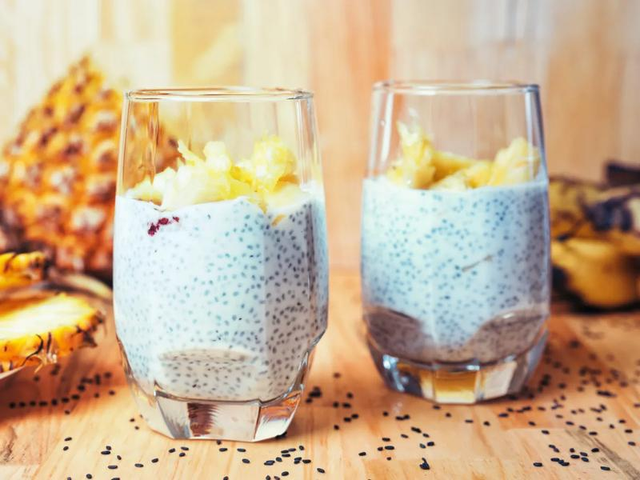
Chia pudding is made for meal prep. This version combines chia seeds, almond milk, pineapple, and protein powder for a breakfast that requires no cooking.
Mix the ingredients in individual containers, refrigerate until thickened, and you’ll have breakfast ready when you need it. Prepare a few portions together and give each one a stir before eating.
Greek Yogurt and Berry Parfait
Approximately per serving: 344 calories · 29 g protein · 38 g carbs · 11 g fat
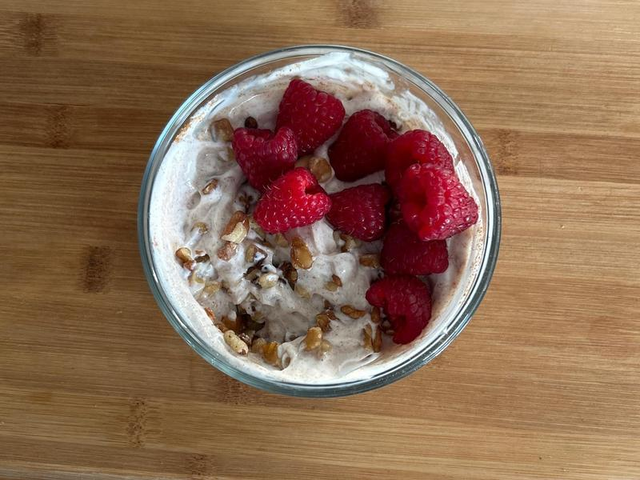
Greek yogurt, strawberries, raspberries, walnuts, cinnamon, and honey make a simple breakfast with protein, fruit, and healthy fats.
You can portion the yogurt and berries into jars ahead of time, keeping the walnuts separate until serving so they stay crunchy.
Peanut Butter Protein Oats
Approximately per serving: 305 calories · 31 g protein · 21 g carbs · 12 g fat
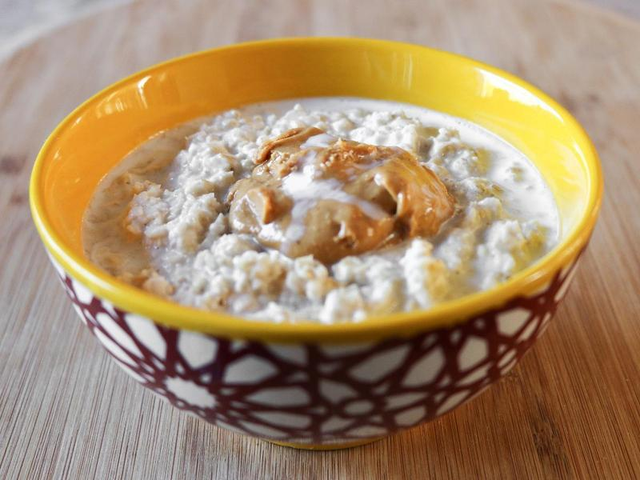
Oatmeal is affordable, easy to portion, and convenient for meal prep. This recipe combines rolled oats, protein powder, and peanut butter for a satisfying breakfast with minimal preparation.
For the quickest mornings, measure the oats and protein powder into individual containers. Add water, microwave according to the recipe, and stir in the peanut butter when you’re ready to eat.
Chia Cottage Cheese with Blueberries
Approximately per serving: 159 calories · 16 g protein · 13 g carbs · 5 g fat
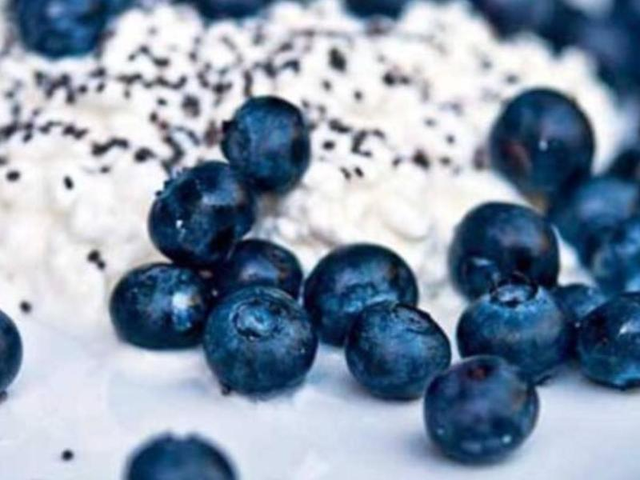
If you’re looking for a breakfast that takes almost no effort, this one uses just cottage cheese, blueberries, and chia seeds.
Portion the cottage cheese and berries into small containers, then add the chia seeds before eating or mix them in ahead if you prefer a softer texture.
Healthy Meal Prep Lunch Ideas for Weight Loss
Having something ready at lunch often makes the biggest difference. A prepared meal can save you from spending your break deciding what to eat, particularly when you’re working away from home.
These options are easy to portion and transport, with ingredients that can be reused across several meals.
Mediterranean Tuna Salad
Approximately per serving: 283 calories · 32 g protein · 16 g carbs · 11 g fat
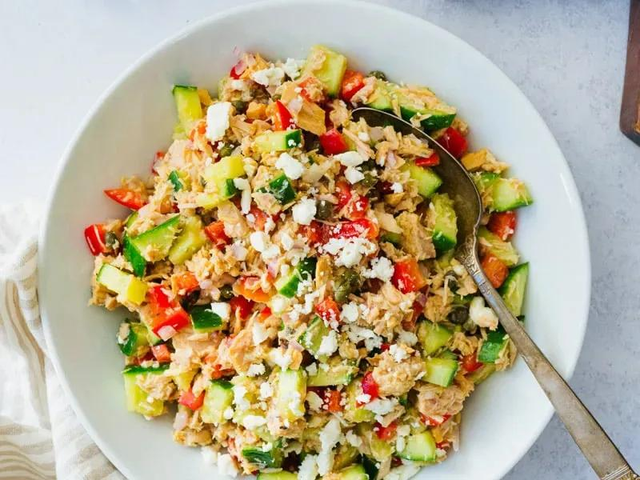
This colorful salad combines tuna, cucumber, bell peppers, shallots, capers, feta, and a tangy mustard dressing.
You can chop the vegetables and prepare the dressing ahead of time, then mix everything together when you’re ready to eat.
It’s convenient for work lunches because it doesn’t require reheating, and you can serve it with whole-grain crackers or bread if you want something more substantial.
White Bean & Artichoke Toast
Approximately per serving: 260 calories · 14 g protein · 43 g carbs · 5 g fat
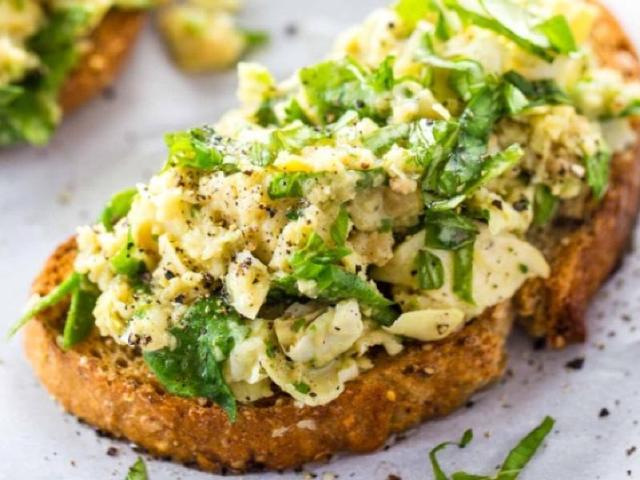
White beans, artichokes, garlic, basil, and lemon make a flavorful topping for whole-wheat toast.
The bean and artichoke mixture can be prepared in a batch and refrigerated, so all you need to do at lunchtime is toast the bread and add the spinach and topping.
It’s an easy plant-based option that works very well for this purpose.
Almond Butter Chicken Salad Lettuce Wrap
Approximately per serving: 315 calories · 31 g protein · 22 g carbs · 12 g fat
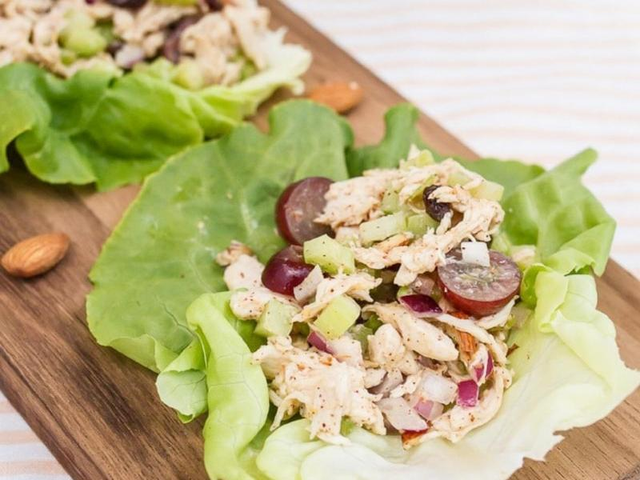
This recipe puts a different spin on chicken salad, combining cooked chicken with apple, grapes, onion, and almond butter.
Cook enough chicken for several portions, then prepare the filling and keep the lettuce leaves separate. Add freshly chopped apple closer to serving if you want to preserve its texture and color.
The result is a convenient, tasty cold lunch that doesn’t need a microwave.
Chicken Philly Salad
Approximately per serving: 353 calories · 30 g protein · 21 g carbs ·17 g fat
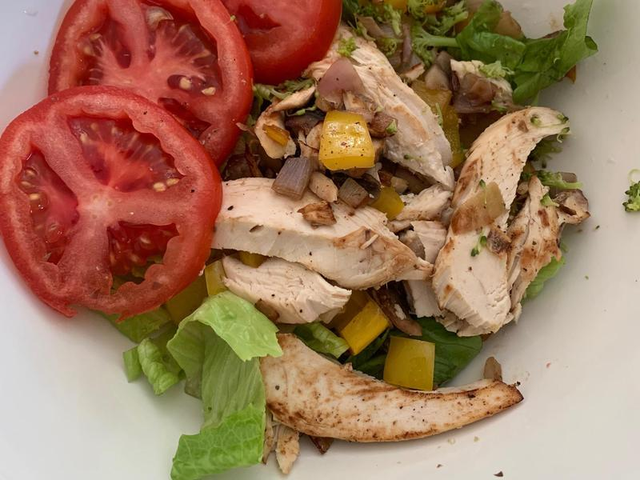
If you like the flavors of a Philly-style sandwich, this salad brings together chicken, sautéed peppers, onions, mushrooms, and fresh lettuce.
Prepare the chicken and cooked vegetables in batches, then portion them into containers. Keep the lettuce and tomatoes separate so they stay fresh, and combine everything when you’re ready for lunch.
It’s a great way to turn simple cooked chicken into something different.
Chicken Cabbage Salad
Approximately per serving: 317 calories · 29 g protein · 19 g carbs · 15 g fat
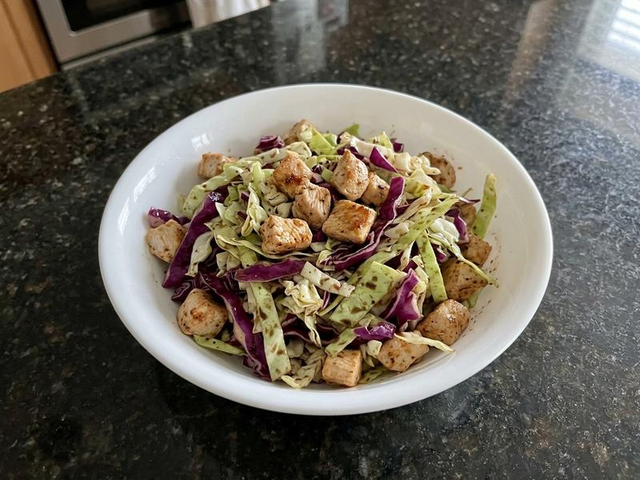
Shredded cabbage holds its texture well, making it really good for lunches you prepare ahead. This recipe pairs it with seasoned chicken and a balsamic dressing.
Cook the chicken and shred the cabbage in advance, then store the dressing separately. Toss everything together just before eating for a crunchy, filling lunch.
You can also prepare extra cabbage to use in wraps or stir-fries later in the week.
Pinto Bean Salad
Approximately per serving: 335 calories · 8 g protein · 41 g carbs · 18 g fat
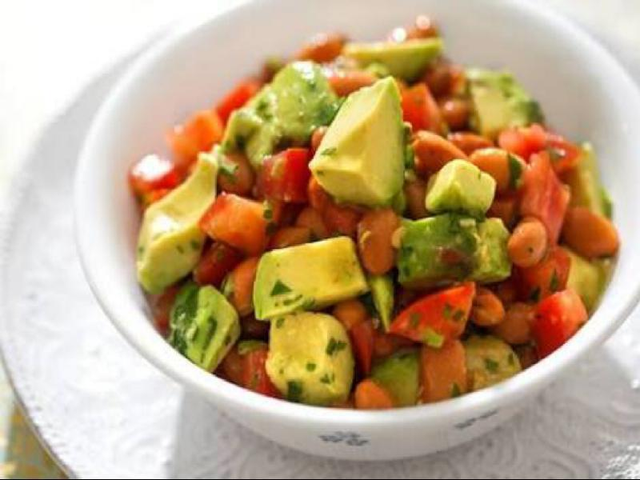
This simple salad combines pinto beans with tomatoes, bell peppers, onion, lettuce, avocado, and dressing.
Drain the beans and chop the vegetables ahead, but add the avocado and dressing when you’re ready to eat so they don’t make the whole salad lose its crunch.
Most of the ingredients require no cooking, so it’s a really quick option when you’re short on time.
Southwestern Salad with Black Beans
Approximately per serving: 220 calories · 13 g protein · 44 g carbs · 2 g fat
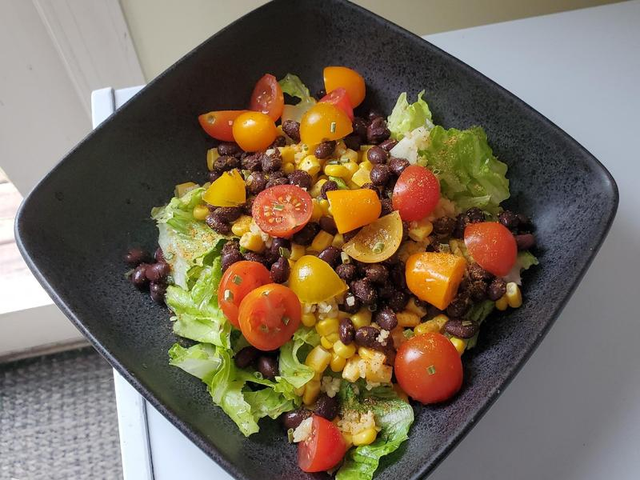
Black beans, corn, tomatoes, cilantro, and lettuce come together in a colorful salad that takes very little effort to prepare.
Cook the corn according to its package instructions, then combine it with the beans and other toppings. Keep the lettuce separate until serving to prevent it from becoming wilted.
It’s easy to prepare several servings of the bean and corn mixture at once, making it a practical plant-based lunch.
Tuna Salad Wrap
Approximately per serving: 330 calories · 24 g protein · 47 g carbs · 6 g fat
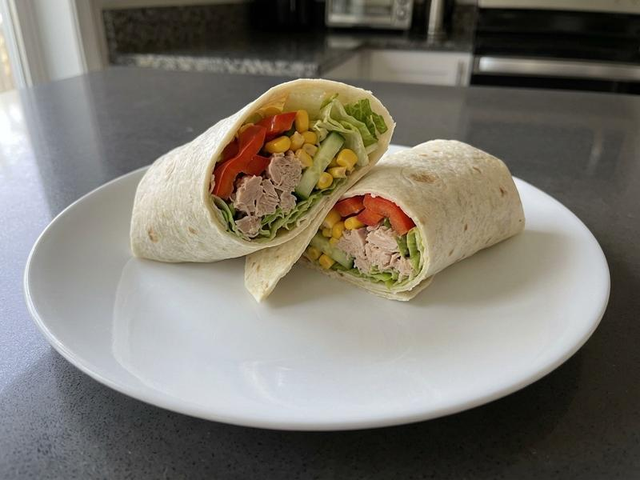
This no-cook wrap uses canned tuna, cucumber, bell peppers, sweet corn, and lettuce tucked into a tortilla.
Chop the vegetables and portion the tuna ahead of time, then store the tortillas separately. Assemble the wrap when you’re ready to eat so the bread doesn’t become soggy.
Meal Prep Dinner Ideas for Weight Loss
Dinner is where having food ready can save the most effort after a long day. These meal prep dinners are easy to batch-cook, use everyday ingredients, and can be adapted depending on what you already have.
One Pan Balsamic Chicken and Veggies
Approximately per serving: 301 calories · 29 g protein · 21 g carbs · 12 g fat
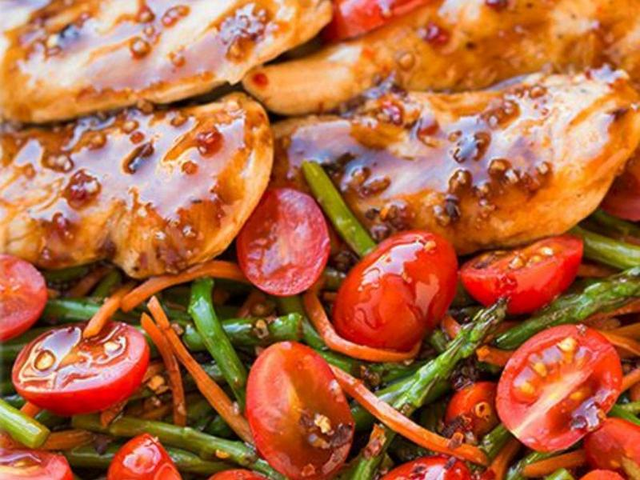
Chicken, asparagus, carrots, and cherry tomatoes are cooked with a balsamic dressing for a simple meal that doesn’t require several pots and pans.
The recipe already makes multiple servings, so it’s a convenient choice for batch cooking. Divide the chicken and vegetables into containers after cooking, with the sauce distributed between portions.
You can serve it on its own or add rice, quinoa, or potatoes to match your nutritional needs.
Spicy Chicken Soup
Approximately per serving: 318 calories · 30 g protein · 26 g carbs · 11 g fat
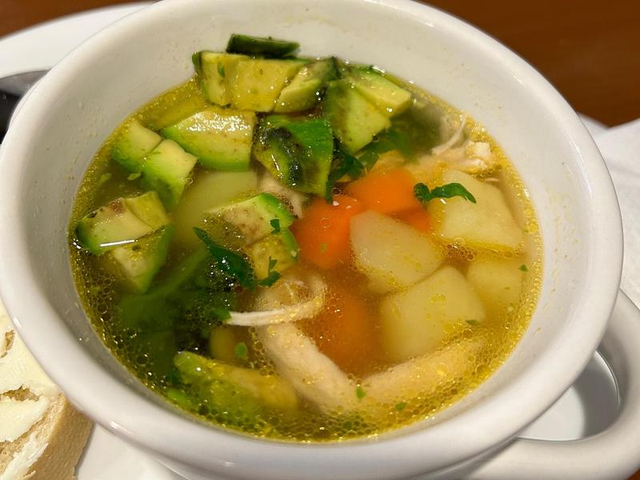
A pot of soup is one of the easiest ways to prepare several meals at once. This version combines chicken, potatoes, carrots, cayenne pepper, lime, and cilantro.
Make a larger batch of the soup, divide it into individual portions, and freeze any servings you won’t eat within a few days.
The recipe also includes avocado, which is best chopped and added fresh when serving rather than frozen with the soup.
Chicken Fajitas
Approximately per serving: 370 calories · 31 g protein · 34 g carbs · 11 g fat
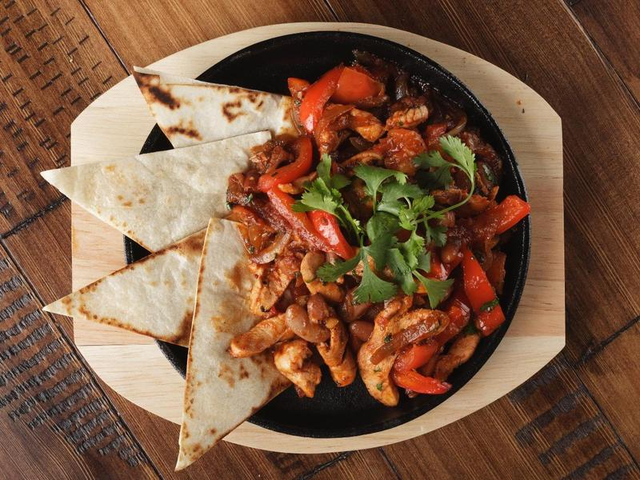
Chicken fajitas are great for meal prep because the cooked filling can be used in several ways.
Prepare the seasoned chicken, onions, and bell peppers in a large skillet, then divide the mixture into containers. Keep the tortillas separate and warm them when you’re ready to eat.
You can also serve the filling over rice, with beans, or on top of a salad if you want some variety throughout the week.
Balsamic Chicken with Baby Spinach and Barley
Approximately per serving: 383 calories · 34 g protein · 45 g carbs · 7 g fat
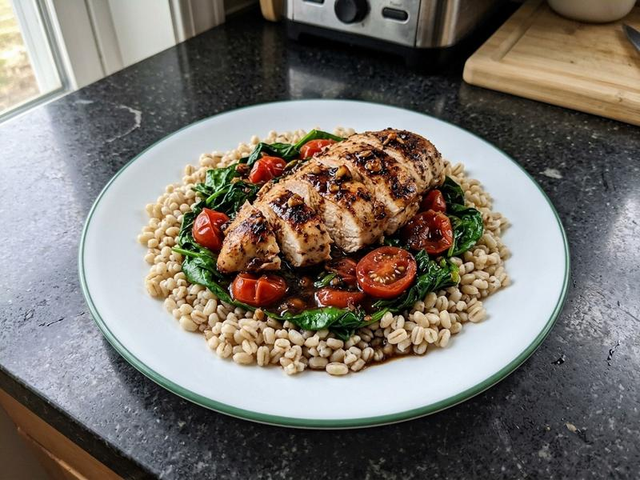
This is a well-rounded meal combining chicken, barley, spinach, tomatoes, and a balsamic sauce.
The barley can be cooked in a large batch while you prepare the chicken, making the recipe efficient for several portions.
Divide everything into individual containers and add some of the tomato-balsamic sauce to each serving to help keep the chicken moist when reheating.
Seafood Cakes
Approximately per serving: 291 calories · 29 g protein · 21 g carbs · 6 g fat
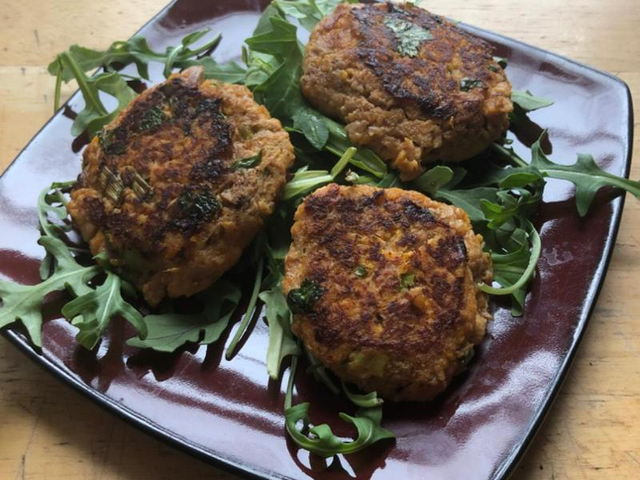
These seafood cakes use canned tuna, potato, egg white, herbs, and lemon to make a simple alternative to grilled fish.
The patties are easy to portion, and you can prepare several at once. Once cooked and cooled safely, refrigerate portions for the next few days or freeze them for later.
Reheat in a skillet, oven, or air fryer for a better texture, and serve with vegetables or a salad.
Spinach and Pasta Shells
Approximately per serving: 232 calories · 10 g protein · 45 g carbs · 3 g fat
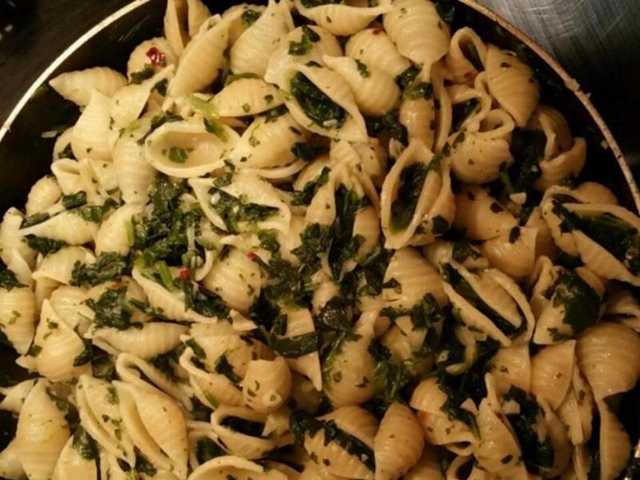
This recipe combines whole-wheat pasta with spinach, garlic, olive oil, and red pepper flakes. It makes several servings and uses ingredients that are easy to keep on hand.
Store the cooked pasta in individual containers and add a splash of water when reheating to prevent it from drying out.
Broccoli Potato Soup
Approximately per serving: 184 calories · 7 g protein · 34 g carbs · 4 g fat
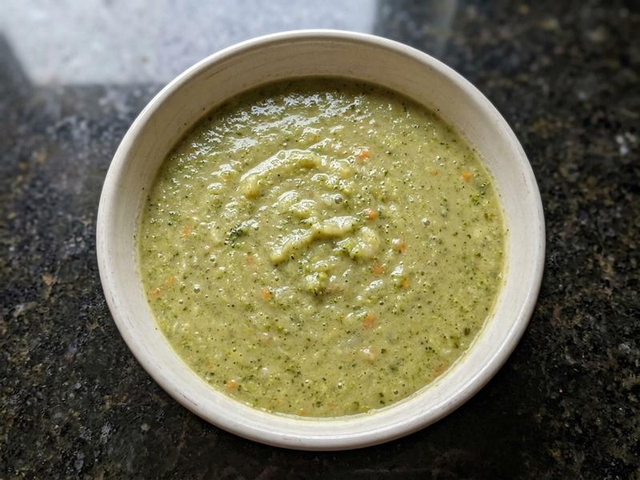
This vegetable soup combines broccoli, potatoes, carrots, leeks, and garlic into a smooth, comforting dish.
It’s really great for batch cooking because the ingredients can be prepared together in one pot. Once the soup is cooked and blended, divide it into individual containers and freeze extra portions.
Since the recipe is relatively light in protein, you may want to serve it alongside some boiled eggs or a bean-based dish for a more complete meal.
Tuna, Caper & Chili Spaghetti
Approximately per serving: 361 calories · 23 g protein · 48 g carbs · 9 g fat
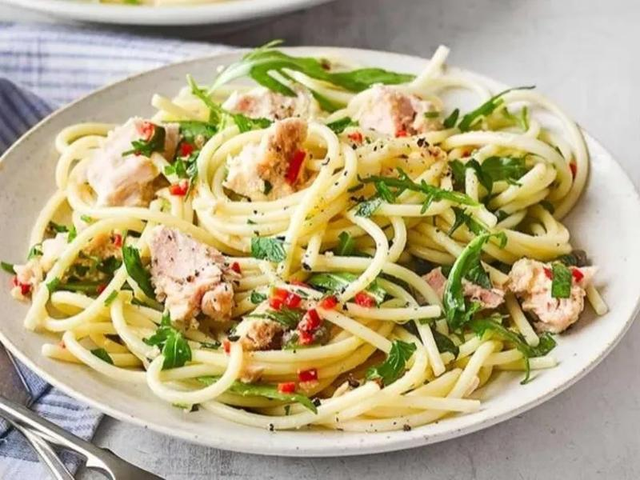
This pasta recipe combines canned tuna, garlic, chili, capers, parsley, and spaghetti with a little olive oil and lemon.
For meal prep, you can prepare the tuna and seasoning ahead, then combine them with freshly cooked pasta when you’re ready to eat. Alternatively, portion the finished meal into containers and reheat gently with a splash of water.
Keep the arugula separate until serving if you prefer it fresh.
Easy Snacks to Prepare Ahead
In case you regularly get hungry between meals, having something available to snack on can be helpful.
Choose snacks based on your appetite and how they fit into your overall eating plan.
Peanut Butter Chocolate Protein Balls
Approximately per serving: 126 calories · 8 g protein · 13 g carbs · 5 g fat
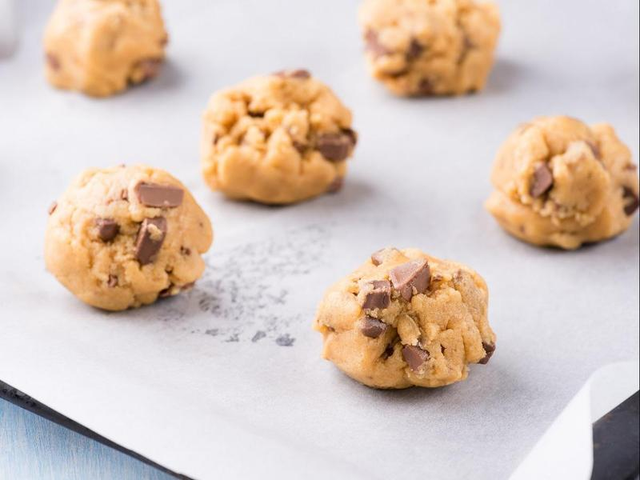
These no-bake protein balls combine peanut butter, protein powder, honey, and chocolate chips.
Mix the ingredients, roll them into balls, and refrigerate in individual portions. They’re easy to pack for work or take with you when you’re out for the day.
Because ingredients such as peanut butter and honey are energy-dense, portioning them during preparation also makes it easier to account for their nutritional content.
Veggies with Hummus
Approximately per serving: 90 calories · 4 g protein · 14 g carbs · 3 g fat
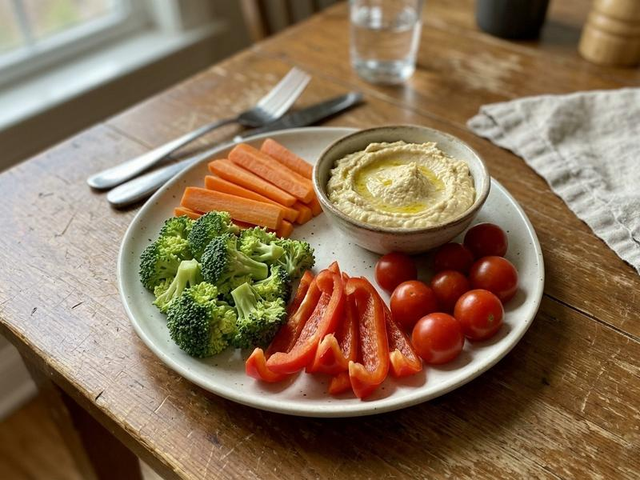
Sometimes the easiest snack is simply a container of chopped vegetables and hummus.
This recipe uses carrots, broccoli, bell peppers, cherry tomatoes, and hummus. Wash and chop the vegetables in advance, then portion the hummus into separate small containers.
Yogurt with Pumpkin & Cinnamon
Approximately per serving: 200 calories · 25 g protein · 25 g carbs · 1 g fat
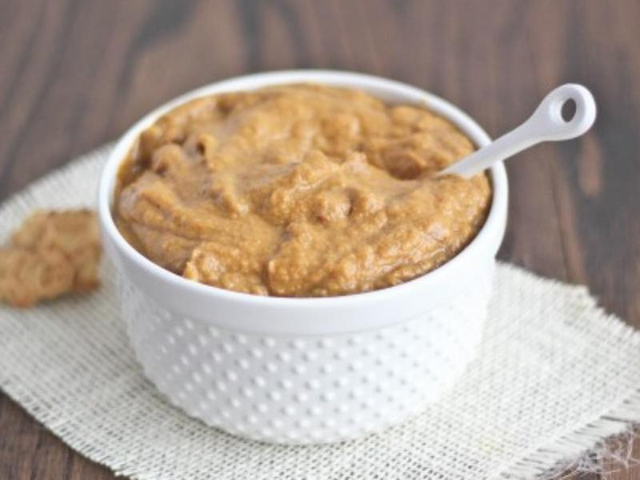
Plain Greek yogurt, canned pumpkin, cinnamon, and a little honey make a creamy snack that takes only a few minutes to prepare.
Mix the ingredients in a bowl or divide them into small jars, then refrigerate until needed.
It’s a quick and easy option when you want something sweet, and the combination of yogurt and pumpkin provides protein along with some fiber.
Simple 7-Day Meal Prep Plan for Weight Loss
Having a collection of recipes is useful, but it doesn’t really tell you what to cook this week.
The easiest approach is to choose a few meals that share ingredients. You can prepare them in batches, use the same ingredients in different ways, and that way you’ll avoid buying a long list of groceries for recipes you’ll only make once.
| Day | Breakfast | Lunch | Dinner |
|---|---|---|---|
| Monday | Egg Cups | Chicken Cabbage Salad | One Pan Balsamic Chicken and Veggies |
| Tuesday | Greek Yogurt and Berry Parfait | Mediterranean Tuna Salad | Spicy Chicken Soup |
| Wednesday | Peanut Butter Protein Oats | White Bean & Artichoke Toast | Tuna, Caper & Chili Spaghetti |
| Thursday | Pineapple Protein Chia Seed Pudding | Chicken Philly Salad | Chicken Fajitas |
| Friday | Banana Protein Pancakes | Southwestern Salad with Black Beans | Seafood Cakes |
| Saturday | Chia Cottage Cheese with Blueberries | Almond Butter Chicken Salad Lettuce Wrap | Spinach and Pasta Shells |
| Sunday | Egg Cups | Pinto Bean Salad | Broccoli Potato Soup with Tuna Salad Wrap |
This is an example of how to organize prepared meals, not a fixed-calorie diet. Adjust portions and include additional foods or snacks as needed to meet your individual calorie and nutritional requirements.
You’ll also need to plan storage carefully. Meals intended for Thursday and Friday shouldn’t simply sit in the fridge all week. Freeze cooked portions shortly after preparing them, and add fresh vegetables or toppings closer to serving.
If you’re cooking for yourself and planning meals for one, you can use the same approach for smaller batches.
Want meals ready for the week without having to figure out all the portions and shopping? Find all these recipes with serving sizes and macros in our app, and let it automatically build your weekly meal plan and grocery list, ready to send to Instacart, Walmart, Amazon Fresh, and more…
How to Prep Different Meals From our Example Using the Same Ingredients
You don’t have to eat the same meal every day to make meal prep worthwhile. The plan above uses several ingredients across different recipes, so you can do some of the preparation together, then turn those ingredients into different meals throughout the week.
Prep chicken for several dishes
Chicken appears in the cabbage salad, balsamic chicken, soup, Philly salad, fajitas, and lettuce wraps. Divide it into the amounts each recipe needs before cooking. Where recipes use similar cooking methods, you can cook extra portions together, then use different sauces or seasonings. Prepare chicken for soups and other dishes separately when the recipe calls for it.
Chop vegetables for more than one meal
Bell peppers and onions appear in the Egg Cups, Chicken Philly Salad, Chicken Fajitas, and several lunch recipes. Wash and chop them together, slicing some for cooked dishes and dicing the rest for salads or egg cups. Shred cabbage and wash and dry salad greens at the same time, keeping them separate from dressings and cooked ingredients.
Make breakfasts ahead where you can
Bake the Egg Cups and cook the Banana Protein Pancakes, freezing portions you’ll eat later in the week. Mix the chia pudding, portion yogurt for the parfait, and measure the dry ingredients for the protein oats. Keep nuts and other crunchy toppings separate until serving.
Leave the finishing touches until mealtime
Toast bread for the White Bean & Artichoke Toast, fill tortillas for the Tuna Salad Wrap, and assemble lettuce wraps shortly before eating. You’ll still save time because the fillings and vegetables are already prepared. Pantry ingredients such as canned tuna and beans can stay unopened until you need them.
Plan one main prep session at the start of the week and a shorter top-up midway through. Use the second session to prepare fresh salad ingredients and cook meals for the remaining days. Refrigerate food you’ll eat within the next few days and freeze suitable cooked portions for later.
Grocery List for the Week
Here’s an approximate shopping list for one person following the meal schedule above, using the example recipe portions.
The exact amounts may vary with ingredient sizes, package options, and your portions. Check what you already have before shopping, and adjust quantities if you’re preparing more servings.
| Category | Ingredients |
|---|---|
| Protein | Chicken breast (approximately 2–3 lb), canned tuna (4–5 cans), eggs, liquid egg whites, whey protein powder |
| Dairy | Plain Greek yogurt (1 large tub), cottage cheese (1 small container), feta cheese |
| Vegetables | Bell peppers (red and green), onions, shallot, green onions, garlic, carrots, broccoli, spinach (fresh and frozen), cabbage, lettuce, cucumber, cherry tomatoes, regular tomatoes, asparagus, mushrooms, leeks, potatoes, artichoke hearts, arugula |
| Fruit | Bananas, apples, blueberries, strawberries, raspberries, pineapple, grapes, avocados, lemons, limes |
| Beans and canned foods | White beans, black beans, pinto beans, canned tomatoes, canned pumpkin, sweet corn, hummus |
| Grains and bread | Rolled oats, whole-wheat bread, flour tortillas, whole-wheat pasta, spaghetti, pearl barley |
| Nuts, seeds, and spreads | Walnuts, chia seeds, peanut butter, almond butter |
| Oils, dressings, and condiments | Olive oil, canola oil, coconut oil, balsamic vinegar, apple cider vinegar, Italian dressing, Dijon mustard, capers, honey, chocolate chips |
| Other pantry staples | Unsweetened almond milk, chicken broth, baking powder, stevia or preferred sweetener, salt, black pepper, paprika, cayenne pepper, red pepper flakes, cinnamon, fajita seasoning |
| Fresh herbs | Parsley, cilantro, basil |
Buying overlapping ingredients makes shopping easier, but it also gives you more flexibility. You can prepare several different meals from the same groceries without having to cook something entirely new every day.
When possible, freeze extra portions or ingredients rather than letting them go to waste.
How to Meal Prep for Weight Loss Without Spending All Day Cooking
You don’t need to cook each recipe from beginning to end before starting another. Preparing ingredients in the right order lets you make several meals while using the same oven, stove, and chopping board.
A simple four-step approach works well.
Step 1: Choose a Few Meals, Not an Entire Menu
Start with two or three recipes if you’re new to meal prep. You can prepare more once you know how much cooking you’re comfortable fitting into your week.
Pick meals that use some of the same ingredients. For example, the seven-day plan above uses chicken for Chicken Cabbage Salad, Chicken Fajitas, and Spicy Chicken Soup, canned tuna for Mediterranean Tuna Salad and Tuna, Caper & Chili Spaghetti, and bell peppers and onions for Egg Cups and Chicken Philly Salad.
That’s less shopping and preparation than choosing a completely different set of ingredients for every meal.
Step 2: Make One Grocery List
Check your pantry and refrigerator first, then group the ingredients you need by category.
Think about package sizes while planning your meals. If a recipe calls for half a can of beans, can you use the rest in another meal? If you’re buying a large bag of spinach, will you use it in breakfast as well as lunch?
You can also use frozen vegetables, canned beans, and other convenient ingredients where they make sense.
Step 3: Cook Ingredients in Batches
For the five-day example, here’s a practical order of preparation:
Start with the oven. Bake a batch of Egg Cups and prepare the One Pan Balsamic Chicken and Veggies. You can also cook extra chicken for Chicken Cabbage Salad or Almond Butter Chicken Salad Lettuce Wraps, seasoning each batch according to the recipe.
Cook the grains and pasta. Prepare pearl barley for Balsamic Chicken with Baby Spinach and Barley if you’re including it in your plan. Cook the pasta for Spinach and Pasta Shells or Tuna, Caper & Chili Spaghetti closer to when you’ll eat it.
Prepare the chicken and vegetables. Chop bell peppers, onions, and other vegetables used in Chicken Fajitas and Chicken Philly Salad. Cook and portion the chicken for the meals you’re preparing ahead, and make a batch of Spicy Chicken Soup to refrigerate or freeze.
Make the breakfasts. Prepare Egg Cups and Banana Protein Pancakes in batches, freezing extra portions. Measure the ingredients for Peanut Butter Protein Oats, assemble Pineapple Protein Chia Seed Pudding, and portion the yogurt and berries for parfaits.
Prepare the fresh ingredients. Wash vegetables for salads and snack boxes, portion the hummus, and leave ingredients that are better freshly chopped or assembled, such as avocado, lettuce, and tortillas, until later in the week.
You can overlap many of these tasks, but allow enough space and time to cook and handle everything safely. There’s no need to turn the whole process into a race.
Step 4: Portion and Store Everything
Once the food is cooked, divide it into the intended servings rather than leaving everything in one large pot or tray. This makes it easier to keep track of portions, pack meals for work, and freeze individual servings.
Use shallow containers to help hot food cool quickly, and refrigerate or freeze it promptly. Keep fresh toppings, sauces, and crunchy vegetables separate when that will help preserve their texture.
Label containers with the preparation date and, if you’re freezing them, the name of the dish.
For the five-day plan, refrigerate the meals you’ll eat over the next few days and freeze the Thursday and Friday portions soon after cooking. Move frozen meals to the refrigerator to thaw safely before use.
How to Adjust Meal Prep Portions for Your Weight-Loss Goals
One of the biggest benefits of preparing meals yourself is that you can adjust the portions without having to change the recipe completely.
Take the Chicken Fajitas as an example. The recipe combines chicken breast, bell peppers, onions, and tortillas with a simple fajita seasoning. The same ingredients can work for different calorie needs simply by changing the proportions.
| Ingredient | Example portion | How to adjust it |
|---|---|---|
| Chicken breast | About 4 oz (115 g) raw | Adjust according to your protein needs |
| Flour tortilla | 1 medium tortilla | Use a smaller or larger tortilla, or adjust the number of tortillas |
| Bell peppers and onions | About 1 cup | Add more vegetables for extra volume and variety |
| Cooking oil | Measured portion for cooking | Adjust the amount while accounting for its calorie contribution |
| Fajita seasoning | To taste | Adjust the spices to your preference |
If you need a more substantial meal, you might add another tortilla, increase the chicken portion, or serve the fajitas with beans or rice. If you’re aiming for fewer calories, you could use a smaller tortilla or adjust the amount of added oil while keeping enough protein and vegetables to feel satisfied.
The same idea applies to pasta, rice bowls, and sheet-pan dinners. You don’t need a completely separate collection of weight-loss recipes for every calorie target.
Remember to account for sauces, oils, dressings, and other additions when estimating nutrition. They’re all perfectly reasonable ingredients, but portions can affect the total calories more than you might expect.
You also don’t have to measure everything indefinitely. Tracking portions for a short period can help you understand what works for you, but consistency and overall eating habits matter more than getting every single meal mathematically perfect.
Quick and Easy Meal Prep for Busy Weeks
Some weeks, even preparing three recipes can feel like too much work. That’s when shortcuts are worth using.
Use ready-to-eat ingredients like Rotisserie chicken, prewashed salad greens, canned beans, and microwaveable rice, which can become a meal in minutes. Check labels when choosing packaged sauces or seasoned foods.
Prepare components instead of complete meals. This includes cooking a protein, a grain, and some vegetables, then combining them differently throughout the week. The same chicken can become a grain bowl, wrap, or salad with a few changes to the toppings.
Keep a backup meal in the freezer like tomato-based sauces, chili, soups, and some casseroles, which all freeze well giving you another option when your schedule changes.
Start with the meal you struggle with most. If breakfast is already easy for you but dinner regularly leads to takeout, focus your meal prep on dinner. You don’t need to prepare everything to benefit from planning ahead.
Want meals ready for the week without having to figure out all the portions and shopping? Find all these recipes with serving sizes and macros in our app, and let it automatically build your weekly meal plan and grocery list, ready to send to Instacart, Walmart, Amazon Fresh, and more…
How Long Do Meal Prep Meals Last?
Food storage is especially important when you’re preparing several days of meals at once.
Most cooked leftovers can be kept in the refrigerator for three to four days at 40°F (4°C) or below.
Here’s a quick reference for common meal prep foods.
| Food | Refrigerator storage | Freezer guidance |
|---|---|---|
| Cooked chicken or turkey | 3–4 days | Freeze suitable extra portions for later |
| Soups, stews, and cooked sauces | 3–4 days | Often freeze well in individual portions |
| Cooked rice and grain-based meals | Generally 3–4 days when cooled and stored properly | Freeze promptly for later meals |
| Cooked egg casseroles | 3–4 days | Can be frozen, although texture may change |
| Hard-boiled eggs | Up to 1 week | Freezing is not recommended |
Different ingredients may have specific handling requirements, so always follow relevant package instructions and food safety guidance.
If you’re preparing seven days of meals on Sunday, freezing the later portions is usually the simplest solution. It helps you stay within safe storage guidelines and reduces the chance of finding spoiled food at the end of the week.
Common Meal Prep Mistakes That Can Make Weight Loss Harder
Even good meal prep ideas can become frustrating if they don’t match your appetite, preferences, or schedule.
| Common mistake | What to do instead |
|---|---|
| Making portions too small | Prepare meals that leave you satisfied rather than trying to keep every container as low in calories as possible. |
| Overlooking oils and toppings | Account for dressings, cheese, cooking oils, and sauces when planning portions. They contribute calories, too. |
| Preparing too many recipes | Stick to a few meals that share ingredients, then change things up with different sauces, seasonings, or sides. |
| Cooking meals you don’t enjoy | Choose recipes you’d happily eat again. If something doesn’t appeal to you when it’s fresh, reheating it probably won’t help. |
| Making more food than you need | Leave room for changes in your schedule and freeze suitable extra portions rather than letting food go to waste. |
The point isn’t to follow your meal plan perfectly. It’s to make the meals you want to eat easier to prepare and enjoy.
Make Prepping Meals for Weight-Loss Easier with a Meal Planning App
Once you’ve chosen your meals, there’s still the matter of calculating portions, checking your nutritional targets, and creating a grocery list that covers everything.
You can do all of that manually, but it can become time-consuming when you’re trying to plan an entire week.
Meal Planning apps like Eat This Much help by generating personalized meal plans around your calorie and macro targets, food preferences, and dietary requirements. You can adjust meals and servings, plan around leftovers, and generate grocery lists based on what you’re going to eat.
That means less time figuring out what to cook and more time actually preparing meals you’ll enjoy.
A good meal prep routine doesn’t need to be complicated. Start with a few recipes, prepare what will make the coming week easier, and adjust as you learn what works for you.
Even having a couple of lunches and dinners ready can make a difference.
Frequently Asked Questions
Can You Lose Weight Just by Meal Prepping?
Meal prep alone doesn’t cause weight loss. It supports weight loss by making a calorie deficit easier to stick to consistently, which is the part that actually matters.
What Are the Best Meals to Prep for Weight Loss?
Meals that are balanced, satisfying, easy to portion, and suitable for reheating are good choices. Chicken and quinoa bowls, turkey rice bowls, lentil pasta sauces, egg bakes, and tofu stir-fries are all practical options. The best choice also greatly depends on which meals you enjoy and how they fit your needs.
How Many Meals Should I Prep at Once?
If you’re just starting out, try preparing two or three different recipes and eating them across several days. That gives you enough variety without requiring too much cooking. Once you’re comfortable with the process, you can increase the number of meals or prepare extra portions for the freezer.
Should Men and Women Meal Prep Differently?
Not necessarily. Men and women can enjoy the same meals, but the amount of food they need may differ. Calorie needs depend on factors like body size, age, and activity level, so it’s best to adjust portions to your individual needs rather than follow a one-size-fits-all meal plan.
Can You Meal Prep for Weight Loss on a Budget?
Absolutely. Eggs, lentils, beans, rice, oats, frozen vegetables, and affordable protein options can form the basis of many meals. Choosing recipes that share ingredients, buying appropriate quantities, and freezing extra portions can help reduce both grocery costs and food waste.