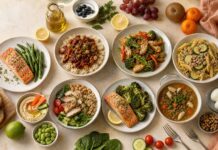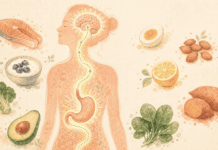



What you eat on a GLP-1 diet can have a big impact on both your weight loss results and how you feel day to day. Because GLP-1 medications reduce appetite and slow digestion, you’re likely to eat smaller portions than before. That makes it even more important to choose foods that keep you full, preserve lean muscle, and provide the nutrients your body needs despite eating fewer calories.
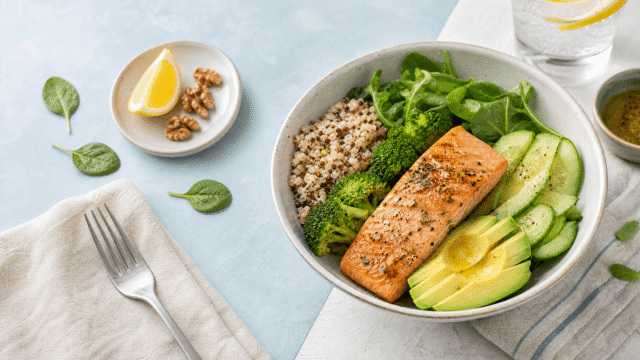
The foods you choose won’t change how the medication works, but they can influence how well you tolerate it and how successful you are over the long term. Prioritising protein, fibre, whole foods, and balanced meals can help you protect muscle, manage common side effects, and support steady, sustainable weight loss.
Why What You Eat on a GLP-1 Diet Matters
One of the biggest changes people notice after starting a GLP-1 medication is how much less they eat. For many, that happens naturally, without counting calories or consciously trying to eat less. While that can make weight loss easier, it also means every meal has to work harder to provide the nutrients your body still needs.
Choosing the right foods isn’t just about losing weight, it’s about supporting your overall health while you do it.
Your Nutritional Needs Don’t Decrease
Although you’re likely eating significantly fewer calories than before starting treatment, your requirements for protein, fibre, vitamins, and minerals don’t decrease just because your appetite has. In fact, eating too little protein or relying on low-nutrient foods can make it harder to preserve muscle, maintain energy levels, and meet your nutritional needs while losing weight.
Because you’re eating less overall, every bite matters more. Choosing nutrient-dense foods helps ensure you’re getting the nutrition your body needs without having to eat large portions.
Protecting Muscle Is Just as Important as Losing Fat
Weight loss isn’t just about losing body fat. Research suggests that a significant proportion of the weight lost while taking GLP-1 medications can come from fat-free mass, including muscle tissue, especially if protein intake and resistance exercise aren’t prioritised.
This is why protein is considered one of the most important nutrients on a GLP-1 diet. Eating enough high-quality protein helps preserve lean muscle during weight loss, supports strength and recovery, and contributes to better long-term weight management.
Hunger Is No Longer a Reliable Guide
Another challenge is that you can’t rely on your body’s natural hunger signals because GLP-1 medications change the way your body regulates hunger and fullness. You may go hours without thinking about food, then feel full after only a few bites.
Instead of relying on hunger to tell you when and what to eat, it often helps to be more intentional about your food choices. Planning balanced meals that prioritise protein and other nutrient-dense foods can help you consistently meet your nutritional needs, even on days when your appetite is low.
Focus on Nutrition, Not Just Calories
When your appetite decreases, the goal is no longer just to eat less. It’s to make the food you do eat count. Prioritising protein, fibre, whole foods, and healthy fats helps you stay fuller for longer, protect lean muscle, support digestive health, and reduce the risk of nutrient deficiencies.
A well-planned GLP-1 diet isn’t about eating perfectly. It’s about choosing foods that deliver the greatest nutritional value while supporting healthy, sustainable weight loss.
Need help deciding what to eat? Build a personalized GLP-1 meal plan in minutes! Set your calorie and protein goals, generate a weekly meal plan and create your grocery list automatically.
Foods to Prioritise on a GLP-1 Diet

Once you understand the principles of a GLP-1 diet, choosing the right foods becomes much simpler. While there isn’t a definitive list of foods you have to eat, some are better suited to supporting your nutritional needs, keeping you satisfied, and helping you get the most from your medication.
High-Protein Foods
Protein should be the first thing you think about when building a meal. It helps preserve lean muscle during weight loss, supports recovery and strength, and keeps you feeling fuller for longer.
Many experts recommend aiming for around 1.2 grams of protein per kilogram of body weight per day, although your individual needs will vary depending on your size, activity level, and goals. One simple strategy is to eat your protein first.
Since GLP-1 medications help you feel full more quickly, starting with your protein makes it less likely that you’ll leave it behind when your appetite fades.
Animal-based proteins
If you eat animal products, some of the best options include Greek yogurt, cottage cheese, eggs, chicken breast, turkey, salmon, tuna, and shrimp. These foods are rich in high-quality protein and are generally easy to build into everyday meals.
During the first few weeks of treatment, or after increasing your dose, softer options such as Greek yogurt, cottage cheese, scrambled eggs, or canned tuna are often easier to tolerate than denser proteins like steak or large chicken breasts.
Plant-based proteins
If you follow a vegetarian or vegan diet, there are plenty of excellent plant-based alternatives. Lentils, chickpeas, black beans, edamame, tofu, and tempeh all provide a good source of protein, while many also contribute fibre, making them particularly valuable on a GLP-1 diet.
Combining a variety of plant proteins throughout the day can also help you meet your overall protein requirements.
High-Fibre Foods
Fibre is another nutrient worth making a priority. It supports digestive health, helps you stay full between meals, and may reduce constipation, which is one of the most common side effects of GLP-1 medications.
Aim to build your meals around a variety of fibre-rich foods, including:
- Berries
- Apples and pears
- Leafy greens
- Broccoli and Brussels sprouts
- Sweet potatoes
- Oats
- Lentils and beans
- Chia seeds
The recommended daily intake is 25 grams for women and 38 grams for men. If your current fibre intake is much lower than that, increase it gradually by about 5 grams per week rather than all at once. Adding too much fibre too quickly can cause bloating and discomfort.
It’s also important to increase your fluid intake alongside your fibre intake. GLP-1 medications also suppress thirst, meaning you can be meaningfully under-hydrated without feeling it.
Foods That Provide Both Protein and Fibre

Some foods help you meet multiple nutritional goals at the same time. Legumes such as lentils, chickpeas, black beans, and edamame are rich in both protein and fibre, making them especially valuable on a GLP-1 diet where every bite counts.
For example, one cup of cooked lentils contains around 18g of protein and 15g of fibre, while black beans provide around 15g of protein and 15g of fibre per cooked cup. Chickpeas contain around 15g of protein and 12g of fibre, and edamame around 17g of protein and 8g of fibre per cup.
Quinoa is another excellent choice. Unlike most grains, it’s a complete protein, meaning it contains all nine essential amino acids, while also providing around 8g protein and 5g fiber per cup cooked, as well as slow-release carbohydrates. It’s also soft enough to eat on sensitive days when denser grains feel heavy.
These foods offer a simple way to increase nutritional value without increasing portion sizes.
Healthy Fats
Healthy fats are an important part of a balanced GLP-1 diet. They support heart health and help your body absorb fat-soluble vitamins such as A, D, E, and K. Good choices include olive oil, avocado, nuts, seeds, and oily fish like salmon.
Because GLP-1 medications slow stomach emptying, large amounts of fat in a single meal can sometimes worsen nausea or acid reflux. Many people find it more comfortable to spread healthy fats across the day by adding a drizzle of olive oil to vegetables, a handful of nuts as a snack, or avocado alongside lunch rather than eating one high-fat meal.
Whole Grains
Carbohydrates still have an important place in a GLP-1 diet. Rather than avoiding them completely, focus on whole grains that provide fibre, vitamins, and longer-lasting energy.
Good options include oats, brown rice, quinoa, barley, and whole-grain bread or wraps. Compared with refined carbohydrates such as white bread, sugary cereals, or pastries, whole grains help provide steadier energy and are generally more filling.
If you’re experiencing nausea or a reduced appetite, softer options like porridge, overnight oats, or well-cooked grains are often easier to tolerate than dense, dry foods.
Foods That May Be Harder to Tolerate
No foods are completely off-limits on a GLP-1 diet, and tolerance varies from person to person. However, because GLP-1 medications slow stomach emptying, some foods are more likely to trigger side effects such as nausea, bloating, acid reflux, or prolonged fullness. If you notice these symptoms, it may help to temporarily reduce or modify the foods below while your body adjusts to treatment.
Fried and Greasy Foods
Fried and greasy foods are among the most common triggers for digestive discomfort while taking GLP-1 medications. Because these medications already slow stomach emptying, meals that are high in fat can remain in the stomach for longer, increasing the likelihood of nausea, bloating, and feeling overly full.
Foods like fried chicken, fast food, chips, and heavily fried or oily dishes are often the first foods people find they need to cut back on during the first few weeks of treatment.
Ultra-Processed Foods
Ultra-processed foods aren’t necessarily off-limits on a GLP-1 diet, but they often provide plenty of calories with relatively little protein, fibre, or other essential nutrients. When you’re naturally eating less, every meal becomes more important, leaving less room for foods that don’t contribute much nutritionally.
Instead, try to build most of your meals around minimally processed foods that provide a better balance of protein, fibre, healthy fats, vitamins, and minerals.
Sugary Drinks and Refined Carbohydrates
Sugary drinks and refined carbohydrates don’t usually worsen side effects in the same way as greasy foods, but they offer relatively little nutritional value compared with whole foods.
Drinks such as soda and fruit juice, along with foods like white bread, pastries, sugary cereals, and sweets, can cause blood sugar to rise quickly before dropping again. Those fluctuations can leave you feeling tired or craving more sugary foods, making it harder to build balanced, nutrient-dense meals.
Alcohol
There is no known dangerous interaction between alcohol and GLP-1 medications, but alcohol can make common side effects such as nausea, acid reflux, and dehydration worse. Interestingly, research suggests that many people naturally reduce their alcohol intake after starting GLP-1 medications, possibly because the medications lessen the desire to drink.
If you do choose to drink alcohol, pay attention to how your body responds and consider limiting your intake if it worsens your symptoms.
Spicy Foods
Spicy foods aren’t a problem for everyone, but they can aggravate heartburn and acid reflux, which are already common side effects of GLP-1 medications. If you notice spicy meals consistently make your symptoms worse, it may be worth reducing them while your body adjusts to treatment before gradually reintroducing them as tolerated.
What to Drink on a GLP-1 Diet
What you drink is just as important as what you eat while taking GLP-1 medications. Because these medications can reduce both appetite and thirst, it’s easier to become dehydrated without realising it. Staying well hydrated supports digestion, may help reduce constipation, and can replace fluids lost through side effects such as nausea or vomiting.
Water Should Be Your First Choice
Water should make up the majority of your daily fluid intake. Although everyone’s needs are different, aiming for around 8 to 10 cups (2 to 2.5 litres) of fluids per day is a good starting point for most adults.
Rather than drinking large amounts at once, try sipping water consistently throughout the day, especially if you feel full quickly.
Tea and Coffee
Unsweetened tea and coffee can both be part of a healthy GLP-1 diet. Tea, coffee, and other herbal teas all contribute to your daily fluid intake, although excessive caffeine may worsen nausea or acid reflux in some people. If you notice these symptoms after caffeinated drinks, consider reducing your intake or switching to decaffeinated alternatives.
Protein Shakes
Protein shakes can be a practical option when your appetite is low or you’re struggling to meet your daily protein goal through food alone. They can also be useful after exercise or during the first few weeks of treatment, when softer foods are often easier to tolerate than larger meals. Whenever possible, choose a shake that’s high in protein and relatively low in added sugar.
Electrolyte Drinks
Most people don’t need electrolyte drinks every day, but they can be helpful if you’ve experienced prolonged vomiting, diarrhoea, or significant dehydration. Choose low-sugar or sugar-free options where possible, and speak with your healthcare provider if symptoms persist.
Drinks to Limit
Sugary drinks such as regular soda, energy drinks, and sweetened fruit juices are generally best consumed in moderation. They provide plenty of calories with relatively little nutritional value and can contribute to blood sugar spikes without helping you meet your protein or fibre goals.
Alcohol is also worth limiting, as it can worsen common side effects such as nausea, acid reflux, and dehydration.
What to eat when you can barely eat anything
In the first weeks on a GLP-1 medication, or after each dose increase, eating enough can be hard. Nausea is common. Nausea, reduced appetite, and foods that are normally appealing can seem off-putting.
On days like these, don’t worry about eating a perfectly balanced diet. Instead, focus on getting some protein, staying hydrated, and choosing foods that feel manageable. Even if you eat less than usual, getting 40–50 grams of protein beats skipping meals altogether.
Choose Soft, Easy-to-Digest Foods
Soft foods are often easier to tolerate because they require less chewing and are less likely to feel heavy on your stomach. Foods such as Greek yogurt, cottage cheese, scrambled eggs, protein smoothies, kefir, oatmeal, and applesauce are all good options. They provide valuable nutrients while being gentler on your digestive system than larger or heavier meals.
Many people also find that cold or room-temperature foods are easier to tolerate than hot meals. Warm foods release stronger aromas, which can make nausea worse. A chilled protein smoothie, yogurt, or cottage cheese may be much more appealing than a hot cooked meal on difficult days.
Start with What You Can Tolerate
If eating feels difficult, don’t worry about following your usual routine or hitting every nutritional target. Focus on getting some protein and eating whatever nutritious foods you can comfortably tolerate. As your appetite improves and side effects settle, you can gradually return to your usual eating pattern and work towards your protein and fibre goals.
Quick Options for Low-Appetite Days
| If you can manage…. | Choose… |
|---|---|
| Something cold | Greek yogurt, cottage cheese, protein smoothie, drinkable yogurt |
| Something warm | Scrambled eggs, canned tuna, bone broth |
| Something to drink | Protein shake, drinkable yogurt or kefir, ginger tea, water with electrolytes |
| Something bland | Oatmeal, overnight oats, applesauce, plain crackers or toast |
Sample One-Day GLP-1 Menu
Putting all of these principles into practice is often easier than people expect. Here’s an example of what a day’s eating might look like while following a GLP-1 diet.
| Meal | Example |
|---|---|
| Breakfast | Greek yogurt with blueberries, chia seeds, and a sprinkle of chopped walnuts |
| Morning snack | Two boiled eggs with a small apple |
| Lunch | Grilled salmon with quinoa, spinach, cucumber, and a drizzle of olive oil |
| Afternoon snack | Cottage cheese with sliced cucumber and cherry tomatoes |
| Dinner | Grilled chicken breast with roasted broccoli and sweet potato |
This is only one example. The exact foods you choose matter less than the overall pattern. Aim to include a source of protein at every meal, add plenty of fruit or vegetables throughout the day, and choose whole grains and healthy fats in portions that feel comfortable for you.
If you’re struggling with nausea or a reduced appetite, you may find it easier to swap some of these meals for softer options such as a protein smoothie, scrambled eggs, Greek yogurt, or overnight oats until your symptoms improve.
Making a GLP-1 Diet Work in Real Life
Knowing what to eat is one thing, following a GLP-1 diet consistently is another. When your appetite is unpredictable, shopping without a plan or trying to hit a protein target while eating fewer calories can quickly become overwhelming.
Fortunately, a couple of simple tools can make staying on track much easier.
Use a Meal Planner That Prioritises Protein
One of the biggest challenges on a GLP-1 diet is eating enough protein while keeping your overall calorie intake in line with your goals. Without a plan, it’s easy to fall short without realizing it.
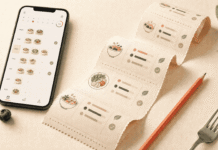
A meal planning app like Eat This Much can take much of the guesswork out of the process. You can use our calorie calculator to estimate your daily calorie needs, then adjust your protein target to match your goals or your healthcare provider’s recommendations.
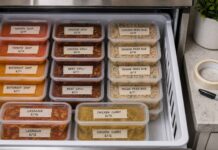
Since many people taking GLP-1 medications find that five or six smaller meals are more comfortable than two or three large ones, you can also increase the number of meals in your daily plan to better match that eating pattern.
Once your targets are set, Eat This Much automatically generates personalized meals and a grocery list based on your calorie, protein, and meal preferences. Having a plan before you go shopping makes it much easier to buy the foods you actually need, especially on days when your appetite is low and deciding what to eat feels like a challenge.
Whether you’re trying to preserve muscle, manage side effects, or simply avoid the daily question of “What should I eat?”, having your meals planned in advance can make following a GLP-1 diet much easier.
Consider Working with a Registered Dietitian
While many people can successfully follow a GLP-1 diet on their own, working with a registered dietitian can be helpful if you’re struggling with side effects, have existing medical conditions, or aren’t meeting your nutritional needs.
The 2024 joint scientific statement from the American College of Lifestyle Medicine and its co-authors recommends involving a registered dietitian where appropriate for people at risk of inadequate nutrient intake or muscle loss. A dietitian can tailor protein goals, calorie intake, meal timing, and food choices to your medication, dose, and individual circumstances in ways that a general guide cannot.
Putting It All Together
Following a GLP-1 diet isn’t about following a strict set of rules or eliminating entire food groups. It’s about making the most of the food you do eat by prioritising protein, fibre, nutrient-dense foods, and balanced meals that support your health while your appetite is reduced.
Remember that your diet doesn’t have to be perfect to be effective. Small, consistent choices such as planning your meals, keeping high-protein foods on hand, and eating in a way that works with your medication can make it easier to protect muscle, manage side effects, and achieve sustainable weight loss over time.
If you’re looking for an easier way to put these principles into practice, Eat This Much can automatically create personalized high-protein meal plans and grocery lists based on your calorie and nutrition goals, helping you spend less time planning and more time focusing on your progress.
Frequently Asked Questions
What are the best foods to eat on a GLP-1 diet?
The best foods are those that provide plenty of nutrition in relatively small portions. Prioritise lean protein sources such as chicken, fish, eggs, Greek yogurt, and tofu, along with fibre-rich vegetables, fruit, whole grains, legumes, and healthy fats like olive oil, nuts, and avocado.
Can I eat carbs on a GLP-1 diet?
Yes. Carbohydrates can be part of a healthy GLP-1 diet. Focus on whole-grain options such as oats, quinoa, brown rice, and whole-grain bread, along with naturally carbohydrate-rich foods like fruit, vegetables, and legumes. These foods provide fibre and longer-lasting energy compared with refined carbohydrates.
Can I drink coffee while taking GLP-1 medications?
Yes. Coffee is generally safe to drink while taking GLP-1 medications. However, if caffeine worsens nausea, acid reflux, or stomach discomfort, you may benefit from reducing your intake or switching to decaffeinated coffee.
Are protein shakes good on a GLP-1 diet?
Yes. Protein shakes can be a convenient way to increase your protein intake, particularly if you’re struggling with a reduced appetite or finding solid food difficult to tolerate. Choose a shake that’s high in protein and relatively low in added sugar whenever possible.
What protein sources are easiest to tolerate on GLP-1 medications?
Greek yogurt, cottage cheese, scrambled eggs, and canned fish (tuna, salmon) especially in early treatment or after a dose increase. Dense proteins like chicken breast and steak can feel uncomfortable when the stomach is moving slowly. Cold and room-temperature options tend to go down easier than hot food.
What should I eat if I feel nauseous on a GLP-1 medication?
If you’re experiencing nausea, try eating smaller meals and choosing soft, easy-to-digest foods such as Greek yogurt, cottage cheese, scrambled eggs, oatmeal, protein smoothies, or applesauce. Many people also find that cold or room-temperature foods are easier to tolerate than hot meals.
What should I avoid eating on a GLP-1 diet?
No foods are completely off-limits, but many people find that fried or greasy foods, ultra-processed foods, sugary drinks, alcohol, spicy foods, and very large meals can worsen side effects or make it harder to meet their nutritional goals.
How many meals should you eat on a GLP-1 diet?
Many people find that eating five or six smaller meals throughout the day is more comfortable than eating two or three large meals. Smaller meals can help reduce nausea, improve tolerance, and make it easier to spread your protein intake across the day.
Do I need to count calories on a GLP-1 diet?
Not necessarily. Many people naturally eat fewer calories while taking GLP-1 medications because their appetite is reduced. However, tracking calories and protein can be helpful if you’re not losing weight as expected, struggling to eat enough protein, or want to make sure you’re meeting your nutritional needs.
Can you eat out while taking GLP-1 medications?
Yes. Eating out is still possible while taking GLP-1 medications. Look for meals that include a lean source of protein, vegetables, and a moderate portion of whole grains or potatoes where possible. Since restaurant portions are often much larger than you’ll need, consider sharing a meal, ordering a starter as your main course, or taking leftovers home.
Can you eat dairy on a GLP-1 diet?
Yes. Dairy can be a healthy part of a GLP-1 diet, particularly high-protein options such as Greek yogurt, cottage cheese, milk, and kefir. These foods provide protein, calcium, and other essential nutrients while often being easier to tolerate than heavier meals, especially during the first few weeks of treatment or after a dose increase. If dairy worsens your digestive symptoms or you have lactose intolerance, lactose-free or fortified dairy alternatives can be good substitutes.