


You decide to try going vegan. The first week feels productive but by week three you’re tired, constantly hungry, and wondering why everyone else seems to thrive on it while you’re googling “vegan sources of protein” at 10pm. Eventually, you give up.
This is more common than you think, not because a vegan diet cannot work, but because many people approach it by simply removing animal products without replacing them strategically. Taking food away is easy, but building balanced meals is harder.
When done well, a vegan diet can support heart health, weight management, and metabolic improvements. When done poorly, it can leave you low on protein, short on key nutrients, and frustrated.
Please talk to your doctor or healthcare professional before making any major changes to your diet plan.
What Is a Vegan Diet?
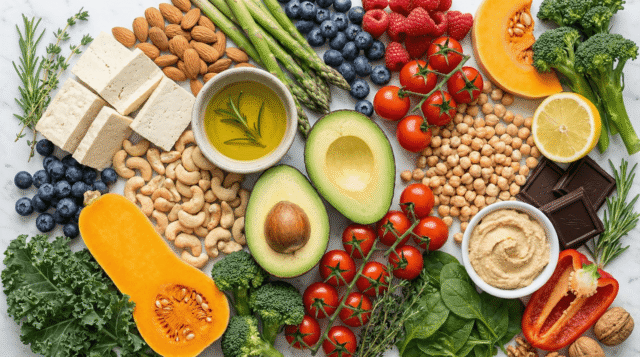
A vegan diet excludes all animal products. That means more than just avoiding meat, fish, and poultry. It also removes dairy, eggs, honey, gelatin, and ingredients such as whey or casein that are derived from milk.
What remains is a diet built entirely around plant based foods, including vegetables, fruits, grains, legumes, nuts, seeds, and plant-based alternatives. In principle, it is simple.
In reality, it requires more awareness than people expect. Animal-derived ingredients often appear in packaged foods, and certain nutrients that are easily obtained from animal products need more deliberate planning in a fully plant-based diet.
Why People Go Vegan
People choose a vegan diet for different reasons, and understanding your own motivation matters more than you might think. The reason you start often shapes how you approach the diet and whether you stick with it long term.
For many, the decision is health-driven. They want to improve cholesterol, manage blood sugar, lose weight, or reduce long-term disease risk. Research shows that a well-planned plant-based diet can support these outcomes, but food quality still matters.
Others are motivated by ethics or environmental concerns, including animal welfare and the impact of livestock production on greenhouse gas emissions.
In reality, most people have mixed motivations. Someone may begin for health reasons and later become more aware of environmental or ethical considerations. Whatever the starting point, clarity about why you are making the change makes it easier to approach it in a way that is sustainable.
Types of Veganism
Not everyone who follows a vegan diet approaches it in the same way. The label is the same, but the motivation and level of strictness can look very different depending on the person.
Plant-forward eating
Plant-forward eating is not strict veganism, but it shares many similarities. Meals are built around vegetables, legumes, grains, nuts, and seeds, with occasional animal products included. Many people find this approach more flexible and easier to maintain socially.
Health-based veganism
This approach centres on personal health. The priority is improving cholesterol, blood sugar, weight, or overall wellbeing. The focus is mainly on what is eaten, and there may be less attention given to non-food items such as clothing or household products.
Environmental veganism
Environmental veganism is driven by concern about sustainability and the environmental impact of animal agriculture. The aim is to reduce reliance on animal farming and lower one’s overall environmental footprint. In some cases, there is nuance in how this is interpreted, with a small number of people including specific locally sourced animal foods if they believe the environmental impact is minimal. Even then, plant-based foods remain the foundation.
Ethical veganism
Ethical veganism is rooted in concern for animal welfare. It extends beyond food to include clothing, cosmetics, supplements, and other products connected to animal use. People following this approach tend to research brands and ingredients carefully, and it is usually the most strict version of veganism.
How the Vegan Diet Works
A vegan diet works by changing what your meals are made of. When you remove animal products, you usually end up eating more vegetables, legumes, whole grains, nuts, and seeds. That naturally increases fiber intake and often reduces saturated fat.
Higher fiber intake slows digestion and helps you feel full for longer. Meals built around beans, lentils, vegetables, and whole grains tend to be lower in calorie density, meaning you can eat a satisfying portion without consuming as many calories.
Health Benefits of a Vegan Diet

When a vegan diet is built around whole plant foods rather than processed substitutes, research shows clear health advantages. The benefits come from higher fiber intake, lower saturated fat, and a greater focus on minimally processed foods.
Improves Heart Health
Vegan diets are consistently linked to lower LDL cholesterol and lower blood pressure. People who eat mostly plant-based foods also tend to have a lower risk of heart disease over time. Removing most sources of saturated fat and increasing fiber intake plays a major role in these improvements.
Supports Weight Loss & Management
On average, people who follow vegan diets tend to weigh less than those who do not. Studies suggest body weight is often 5 to 10% lower in plant-based populations. Meals built around vegetables, beans, lentils, and whole grains are filling but generally lower in calories, which makes maintaining a calorie deficit easier without constant restriction.
Helps Stabilise Blood Sugar
Well-planned vegan diets are associated with better insulin sensitivity and a lower risk of Type 2 diabetes. High-fiber foods slow digestion and help prevent sharp blood sugar spikes, supporting steadier energy levels and improved glucose control.
May Reduce Certain Cancer Risks
Some studies suggest a lower risk of colorectal cancer among people who eat predominantly plant-based diets. Higher fiber intake and the absence of processed meats are thought to contribute to this protective effect.
Supports Long-Term Health and Longevity
Populations with some of the longest lifespans tend to eat mostly plant-based diets. While diet is only one part of the picture, the combination of improved heart health, better metabolic markers, and higher intake of whole foods supports overall long-term health.
Interested in trying a vegan diet? Get a free fully customized vegan meal plan matched to your specific calorie and nutrient needs today.
Vegan Diet Health Risks & How to Prevent Them
A vegan diet can be very healthy, but it does require some planning. Certain nutrients become harder to get once animal products are removed, and it helps to know what to pay attention to before you start.
Vitamin B12 Deficiency
Vitamin B12 is essential for nerve function, red blood cell production, and DNA synthesis. It is found almost exclusively in animal products, which means vegans are at real risk of deficiency without supplementation. Low B12 levels can lead to fatigue, numbness, cognitive issues, and in severe cases, nerve damage.
Because plant foods do not reliably provide B12, taking some sort of supplements is necessary. This can come from a weekly oral supplement, periodic injections, or consistently using fortified foods such as plant milks or nutritional yeast that clearly list B12 content.
Iron Deficiency
Iron from plant foods is absorbed less efficiently than iron from animal sources. Low iron levels can show up as fatigue, shortness of breath, or feeling unusually cold.
The good news is that absorption improves when iron-rich plant foods are paired with vitamin C. Lentils, beans, leafy greens, and fortified grains can meet your needs when eaten regularly, especially alongside foods like citrus, tomatoes, or peppers. Periodic blood work to check ferritin levels can provide reassurance.
Incomplete Protein
Plant proteins often contain lower amounts of certain essential amino acids, but this is rarely a problem when you eat a variety of foods. You don’t need to combine specific foods at every meal, having variety throughout the day is enough.
Soy products such as tofu and tempeh provide complete protein on their own, and combinations like rice and beans naturally complement each other. A mix of legumes, grains, nuts, and seeds typically covers your needs.
Low Omega-3
Plant foods such as flaxseeds, chia seeds, and walnuts contain a type of omega-3 fat called ALA. Your body can convert ALA into the forms it actually uses, known as EPA and DHA, but that conversion is limited. Over time, low levels of EPA and DHA may affect brain and heart health.
For that reason, some vegans choose an algae-based EPA/DHA supplement, since algae is the original source of these fats in the food chain. Plant omega-3 foods are still useful, but supplementation can provide more direct support.
Other Nutrient Deficiencies
Calcium, vitamin D, zinc, and iodine can sometimes run low on a vegan diet if meals are not planned thoughtfully. Fortified plant milks are an easy way to boost calcium and often vitamin D. You may still need sun exposure or a supplement for vitamin D, especially in winter.
Zinc is found in foods like nuts, seeds, and legumes. Iodine is added to regular iodised table salt, so using that instead of specialty salts can help. Seaweed also contains iodine, but it should be eaten in moderation.
Vegan Nutrient Requirements Quick Reference
To make things simple, here’s a clear overview of the key nutrients discussed above, along with general daily targets and practical sources. Think of this as a reference you can return to when planning meals or reviewing your intake.
| Nutrient | Daily Target | Primary Vegan Sources | Supplementation |
|---|---|---|---|
| B12 | 2.4 mcg | Fortified plant milk, nutritional yeast (verify fortification) | REQUIRED: 1,000-2,000 mcg weekly or 100 mcg daily |
| Iron | 8mg (men), 18mg (women), 27mg (pregnant) | Lentils, beans, fortified cereals, tahini, spinach | Supplement only if deficient (pair food sources with vitamin C) |
| Calcium | 1,000-1,200 mg | Fortified plant milks (300-400mg), tahini (130mg/tbsp), collard greens (268mg/cup) | Supplement if food sources inadequate |
| Vitamin D | 600-800 IU (1,000-2,000 IU if deficient) | Sun exposure 15-30 min daily, fortified plant milks | Supplement recommended (especially October-March) |
| Omega-3 (EPA+DHA) | 250-300 mg combined | Algae supplements preferred; ground flax (1.6g ALA) if no supplement | Algae supplement recommended (plant ALA converts poorly) |
| Protein | 50-75g daily | Lentils (18g/cup), tofu (10g/3oz), tempeh (19g/3oz), beans (15-16g/cup), nuts | Combine different sources for complete amino acids |
| Zinc | 8-11 mg | Legumes, nuts, seeds, whole grains | Supplement if deficient |
How to Get Started with a Vegan Diet

Switching to a vegan diet doesn’t have to be dramatic or all-or-nothing. The people who stick with it long term usually take a practical approach: understand what they’re eating now, make gradual changes, and plan a few reliable meals before fully committing. The goal isn’t to get everything “right” immediately, it’s building something balanced that you can actually maintain.
Step 1: Understand Your Baseline
Before removing anything, take a look at what you’re currently eating. Track a few typical days and pay attention to protein intake, iron sources, and overall energy levels. This gives you a reference point so you can see what changes once you shift to plant-based eating.
Step 2: Transition Gradually
Some people switch overnight, but many find a gradual transition more sustainable. Spreading the change over several weeks gives you time to adjust and experiment.
You might begin with a few fully plant-based days each week, then move toward mostly vegetarian meals, and eventually remove dairy and eggs. This approach allows your digestion to adapt to higher fiber intake and gives you time to find plant-based meals you genuinely enjoy before committing fully.
Step 3: Plan Your Protein Sources
Before going fully vegan, identify plant proteins you actually like. Lentils, beans, tofu, tempeh, nuts, and seeds can all contribute meaningfully to daily intake, but preferences vary.
Aim for roughly 50–75 grams of protein per day, depending on your body size and activity level. Once you know which foods you enjoy, it becomes easier to build meals around them instead of worrying about hitting a target.
Step 4: Get Supplements Set Up
A few supplements are easier to organise before you fully transition. Vitamin B12 is essential on a vegan diet. Vitamin D is commonly supplemented, especially in winter. Many people also include an algae-based omega-3 supplement to provide EPA and DHA. Iron supplementation is only necessary if blood work shows deficiency.
Step 5: Keep Meals Simple
You don’t need dozens of vegan recipes. Start with three or four meals you enjoy and can prepare confidently, then rotate them. Familiar meals reduce decision fatigue and make the transition feel manageable. Examples might include lentil curry with rice, bean chilli, tofu and vegetable stir-fry, or pasta with tomato sauce and chickpeas. Once those feel easy, you can expand from there.
Want a fully customized vegan meal plan matched to your specific calorie and nutrient needs? Eat This Much creates personalized vegan meal plans that automatically balance your protein, B12, iron, and other critical nutrients. No more guessing, just nutritionally complete meals that fit your goals.
Common Vegan Diet Mistakes
Most of the issues people run into on a vegan diet are predictable. They usually come down to either under-planning or over-relying on convenience foods. They include:
- Not getting enough protein: When protein intake is too low, hunger increases, exercise recovery suffers, and energy levels can dip. This usually happens when meals are built mostly around refined carbs rather than legumes, tofu, tempeh, or other protein-rich foods. Tracking your intake for a few days can confirm whether you are consistently reaching roughly 50–75 grams per day.
- Skipping B12 supplements: B12 deficiency develops slowly but can have serious consequences if ignored. Because plant foods do not reliably provide B12, supplementation is necessary on a vegan diet. This is one area where consistency matters.
- Eating too many processed vegan foods: Vegan alternatives such as faux meats, vegan cheeses, and packaged snacks can make the transition easier, but they should not form the foundation of your diet. Many are high in calories, sodium, and additives while offering limited nutritional value.
- Not eating enough calories: Plant-based meals are often lower in calories, which can be helpful for weight loss but problematic if you don’t eat enough. Some people unintentionally undereat because the food feels lighter. If you feel constantly tired or notice rapid weight loss, it may be a sign that you are not eating enough.
- Social isolation: Eating differently from friends or family can feel awkward at first. Keeping the focus on your own choices rather than persuading others tends to make social situations easier. Most people adjust more quickly than you expect.
💡 Plant-based meals are often lower in calories, making it easy to undereat by accident. Use our free Calorie Calculator to find your ideal daily targets for weight loss, maintenance, or muscle gain.
7-Day Vegan Diet Meal Plan
Here’s a simple example of how a balanced vegan week can look in practice. Use it as inspiration rather than a rigid schedule, and adjust meals based on your preferences and what you have available.
| Breakfast | Lunch | Dinner | Snack | |
|---|---|---|---|---|
| Monday | Overnight oats with chia seeds, almond butter, blueberries, and fortified plant milk | Lentil and vegetable soup with whole-grain bread | Tofu stir-fry with broccoli, carrots, bell peppers, and brown rice | Apple with peanut butter |
| Tuesday | Tofu scramble with spinach, mushrooms, and whole-grain toast | Chickpea salad with cucumber, tomato, olive oil, lemon, and mixed greens | Black bean chilli with quinoa and avocado | Handful of mixed nuts |
| Wednesday | Smoothie with banana, spinach, frozen berries, flaxseeds, and fortified soy milk | Hummus and roasted vegetable wrap with side salad | Baked tempeh with roasted sweet potatoes and green beans | Carrots and bell peppers with hummus |
| Thursday | Peanut butter and banana on whole-grain toast | Quinoa bowl with roasted chickpeas, cucumber, shredded cabbage, and tahini dressing | Lentil pasta with tomato sauce, mushrooms, and side salad | Fortified plant yogurt with pumpkin seeds |
| Friday | Oatmeal with walnuts, ground flax, and sliced apple | White bean and spinach stew with whole-grain bread | Vegan curry with chickpeas, cauliflower, and basmati rice | Trail mix (nuts, seeds, dried fruit) |
| Saturday | Chia pudding made with fortified almond milk and topped with raspberries | Tofu and avocado sandwich with side salad | Stuffed bell peppers with black beans, corn, and quinoa | Orange and handful of almonds |
| Sunday | Smoothie bowl with berries, soy yogurt, hemp seeds, and granola | Lentil and roasted vegetable salad with olive oil dressing | Mushroom and walnut bolognese over whole-grain spaghetti | Edamame with sea salt |
The Bottom Line
A vegan diet can be extremely healthy, but it works best when it is built on whole, nutrient-dense foods and supported by planning. Removing animal products does not automatically improve health, what replaces them matters.
When done well, a vegan diet can support heart health, weight management, and blood sugar control. It can also align with ethical or environmental values. The benefits of going vegan can be substantial, but it’s important to make sure you are getting enough key nutrients such as vitamin B12, iron, iodine, and omega-3s.
The key question isn’t whether a vegan diet works in theory, it’s whether it works for you in practice. If meals are satisfying, nutritionally complete, and sustainable in your daily life, then it can be a long-term option. If it feels restrictive or difficult to maintain, a more plant-forward approach may be a better fit.
Ready to get started on your vegan journey? Get a free fully customized vegan meal plan matched to your specific calorie and nutrient needs today.
Frequently Asked Questions
How do vegans get enough protein?
Protein on a vegan diet comes mainly from legumes such as lentils, beans, and chickpeas, along with soy foods like tofu, tempeh, and edamame. Nuts, seeds, and whole grains also contribute. You don’t need to combine specific foods at every meal, but eating a variety across the day ensures you cover all essential amino acids. For most adults, around 50–75 grams per day is a reasonable target, depending on body size and activity level.
Are vitamin B12 supplements really necessary on a vegan diet?
Yes. Plant foods do not reliably provide vitamin B12, and deficiency can lead to serious neurological problems over time. A supplement or consistent use of fortified foods is required on a vegan diet. This is one area where planning ahead matters.
Can vegans build muscle?
Yes. Muscle growth depends on adequate protein intake, strength training, and sufficient calories. The source of protein matters less than the total amount consumed. Many athletes follow plant-based diets successfully, provided their intake is well planned.
Is soy safe on a vegan diet?
Yes. Soy is a complete protein and is safe when eaten in normal amounts. Concerns about soy and estrogen are often overstated and not supported by the majority of current research. Including soy as part of a varied diet is both practical and nutritionally sound.
How expensive is a vegan diet?
It depends on how you approach it. Whole foods such as beans, lentils, rice, oats, and seasonal vegetables are inexpensive. Processed vegan substitutes tend to be more costly. A whole-food vegan diet can be affordable, and in many cases costs less than diets centred heavily on meat.
Is a vegan diet safe during pregnancy?
A vegan diet can be safe during pregnancy when it is well planned. Particular attention should be given to vitamin B12, iron, calcium, vitamin D, iodine, and omega-3s. Working with a healthcare professional or dietitian is advisable.